Malaysia’s FBM KLCI was little changed even as a sharp rise in global geopolitical stress and persistently high US Treasury yields kept investors on edge, underscoring how domestic benchmarks can briefly decouple from a deteriorating external backdrop.
Malaysia FBM KLCI Holds Near 1,727

The Kuala Lumpur benchmark closed at 1,727.2 on Aug. 18, barely moved from 1,727.39 the previous session, after briefly trading near a recent high. The index remains above its 50-day and 200-day moving averages, which suggests the broader uptrend is intact, but momentum has cooled: the relative strength index has eased to 59.6 from overbought levels earlier this month and the MACD has slipped below its signal line, pointing to fading near-term thrust.
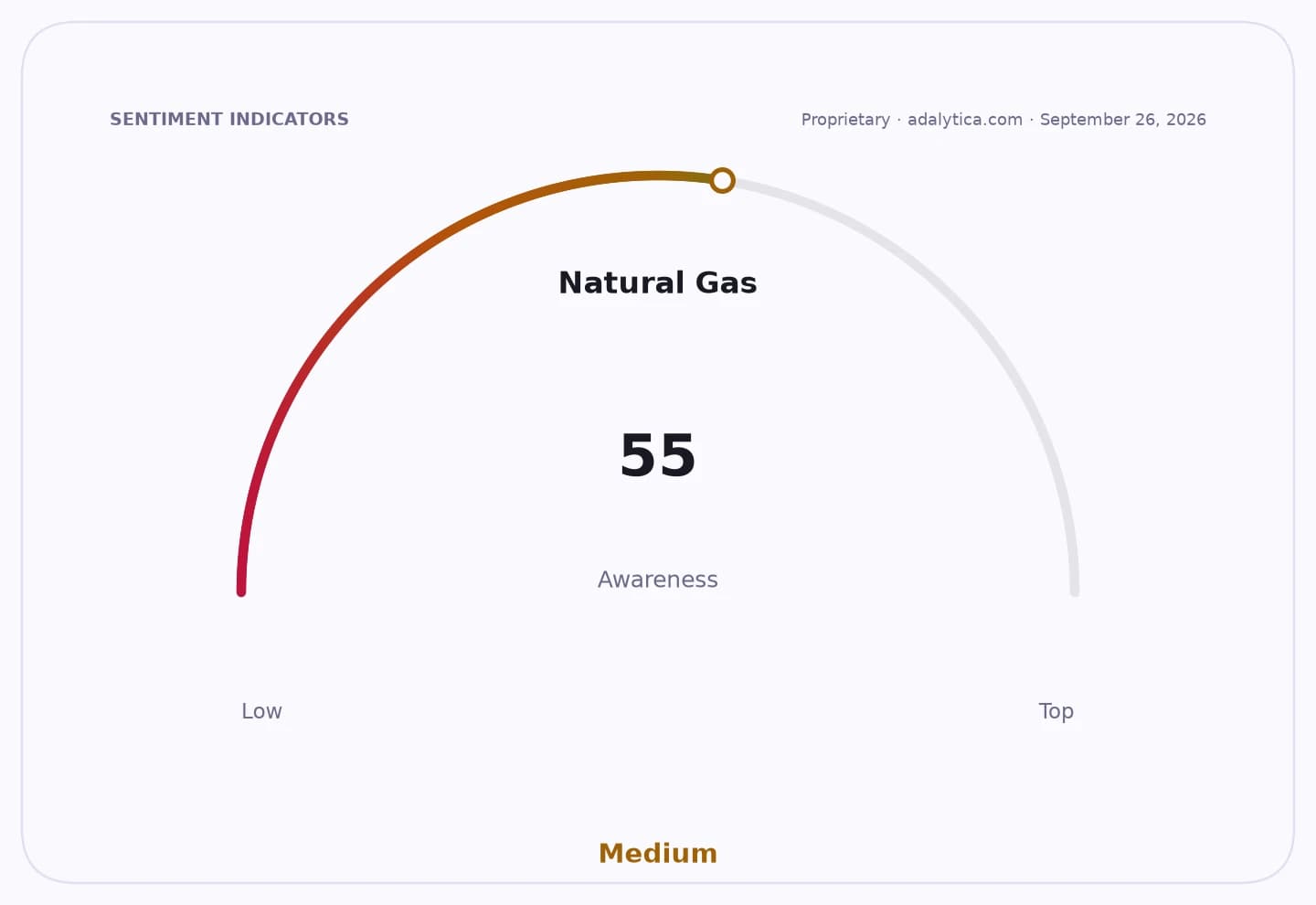
Sentiment IndicatorsⓘProprietary · adalytica.com · August 18, 2026
This is a snapshot — live sentiment, awareness and momentum for 130+ markets update continuously in the dashboard.Open AlphaPulse
That resilience matters because Malaysia sits in the cross-currents of risk-off flows rather than outside them. The Adalytica Global Stability Sentiment gauge has plunged to 4, labeled “Extreme Fear,” from 75 in mid-January, reflecting a sudden spike in geopolitical anxiety. At the same time, the US 10-year Treasury yield was at 4.68% on Aug. 14, with the 2-year at 4.17%, levels that keep global funding conditions relatively tight and support the US dollar. For emerging markets such as Malaysia, that combination can pressure foreign inflows, especially into rate-sensitive and cyclical sectors.
The market’s steadiness also stands out against the broader Asia story. The iShares MSCI Malaysia ETF, EWM, has been holding near $28.11, close to its recent range and above both its 50-day and 200-day averages, while Indonesia’s EIDO remains far more fragile at $12.60, after a deep drawdown from earlier this year. That divergence suggests investors are still willing to hold Malaysia exposure, at least for now, as a relatively defensive ASEAN allocation.
Still, the case for caution is stronger than the price action alone implies. Local equities have rallied from a March trough of 1,674.17, but that recovery now faces a tougher macro test: higher-for-longer US yields, elevated event risk and the possibility of a sharper rotation out of emerging-market assets if global volatility picks up further. A weaker risk backdrop would hit foreign participation first, then spill into banks, property and other domestically sensitive names if funding conditions tighten.
For investors, the key question is whether the FBM KLCI can keep consolidating above 1,700 without help from a softer US rate backdrop or a clear easing in geopolitical stress. If it can, Malaysia remains attractive as a relatively stable ASEAN market. If it cannot, the recent calm may prove temporary, with the index vulnerable to a broader de-risking wave rather than a domestic macro shock.
| Entity | Gains | Losses |
|---|---|---|
| FBM KLCI bulls | ▲Range support holds | ▼Need stronger catalysts |
| Foreign inflows | ▲Stable Malaysia exposure | ▼Risk-off sentiment |
| US Treasury holders | ▲Elevated yields | ▼Emerging-market assets |
| ASEAN defensives | ▲Relative safe-haven bid | ▼Cyclical regional stocks |