Malaysia’s inflation is projected to edge up to 2.0% in 2027 as higher business costs, firmer oil prices and weather-related food risks feed into prices, even as targeted fuel subsidies are expected to soften the blow for consumers.
Malaysia Inflation Seen at 2.0% in 2027

Apex Securities said the increase from an estimated 1.8% this year would still leave inflation at the lower end of the Finance Ministry’s 1.8% to 2.8% range, but the direction matters for both monetary policy and household spending power. The forecast suggests price pressures are not falling away entirely and may reappear as companies pass on costs.
The firm lifted its Brent crude assumptions to $90 a barrel for 2026 and 2027 from $85 previously, citing geopolitical tensions in the Middle East that could keep commodity markets volatile. Higher oil prices typically lift transport and production costs in an import-dependent economy like Malaysia, while also feeding into electricity and food prices.
Apex said business operating costs are already rising and are likely to be passed through gradually to consumers. It pointed to producer prices jumping 12.0% year on year in September, with especially sharp cost pressure in mining and manufacturing.
Weather is another risk. The firm said an El Nino event could lift food and power costs, though targeted fuel subsidies should limit the direct hit to households. At the same time, still-solid household demand, supported by cash aid, a higher minimum wage and selective tax cuts, gives companies more room to raise prices.
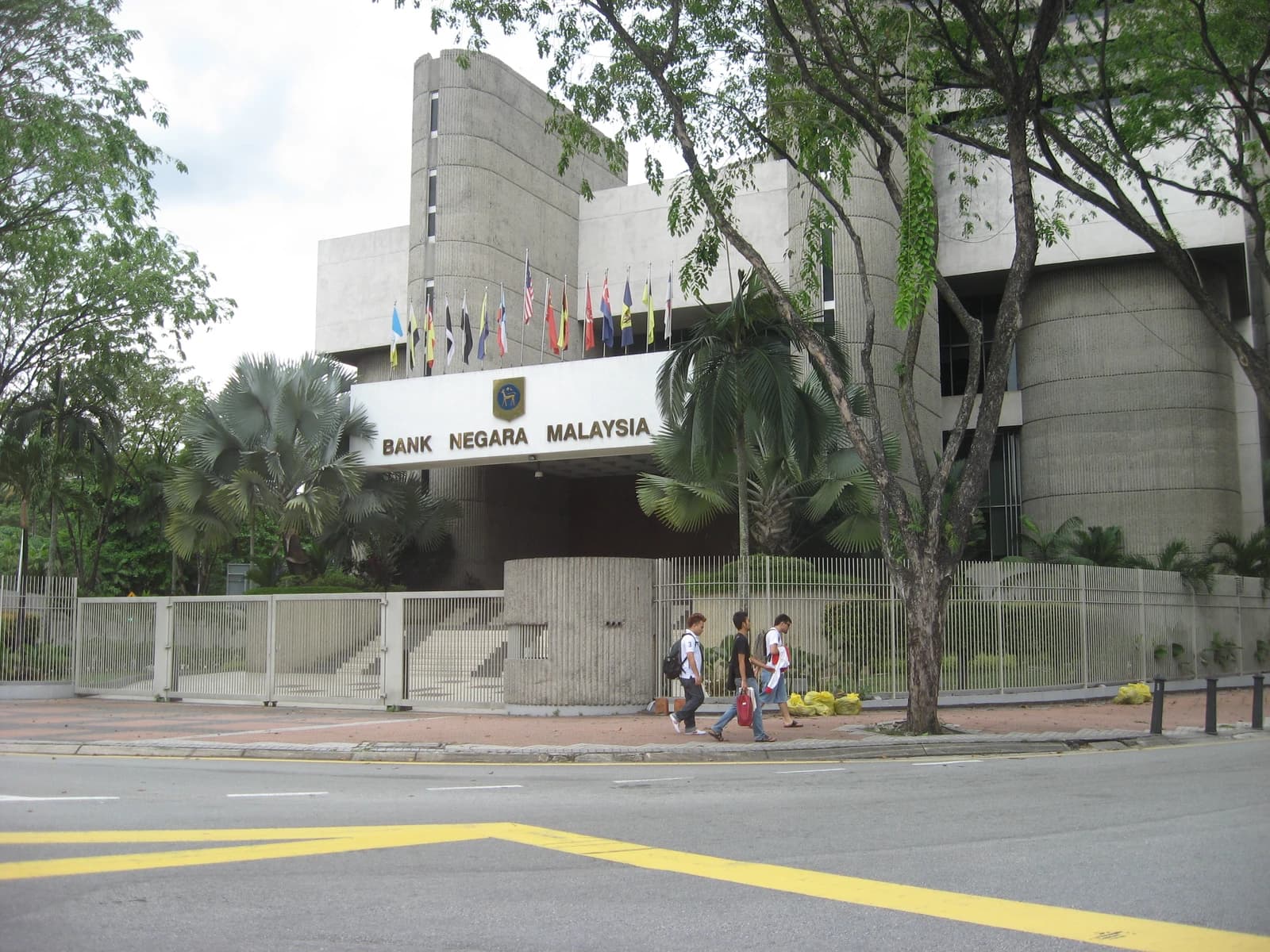
For investors, the key question is whether the inflation pickup pushes Bank Negara Malaysia to act sooner on rates. Apex kept its view that the central bank could lift the overnight policy rate to 3.00% in 2027, with an adjustment as early as January still possible if inflation or growth risks shift.
That leaves a split outlook for markets: banks and rate-sensitive financial stocks could benefit if borrowing costs rise, while consumer-linked names, utilities and import-heavy businesses may face margin pressure if higher fuel and input costs stick. The next catalysts will be the pace of oil prices, any policy move on subsidies and the central bank’s response to the 2027 outlook.
| Entity | Gains | Losses |
|---|---|---|
| Bank Negara Malaysia | ▲More room to tighten policy | ▼Inflation credibility risk |
| Banks | ▲Wider lending margins | ▼Borrowers if rates rise |
| Consumers | ▲Fuel subsidies cushion prices | ▼Higher food and utility costs |
| Manufacturers/miners | ▲None | ▼Higher input and operating costs |