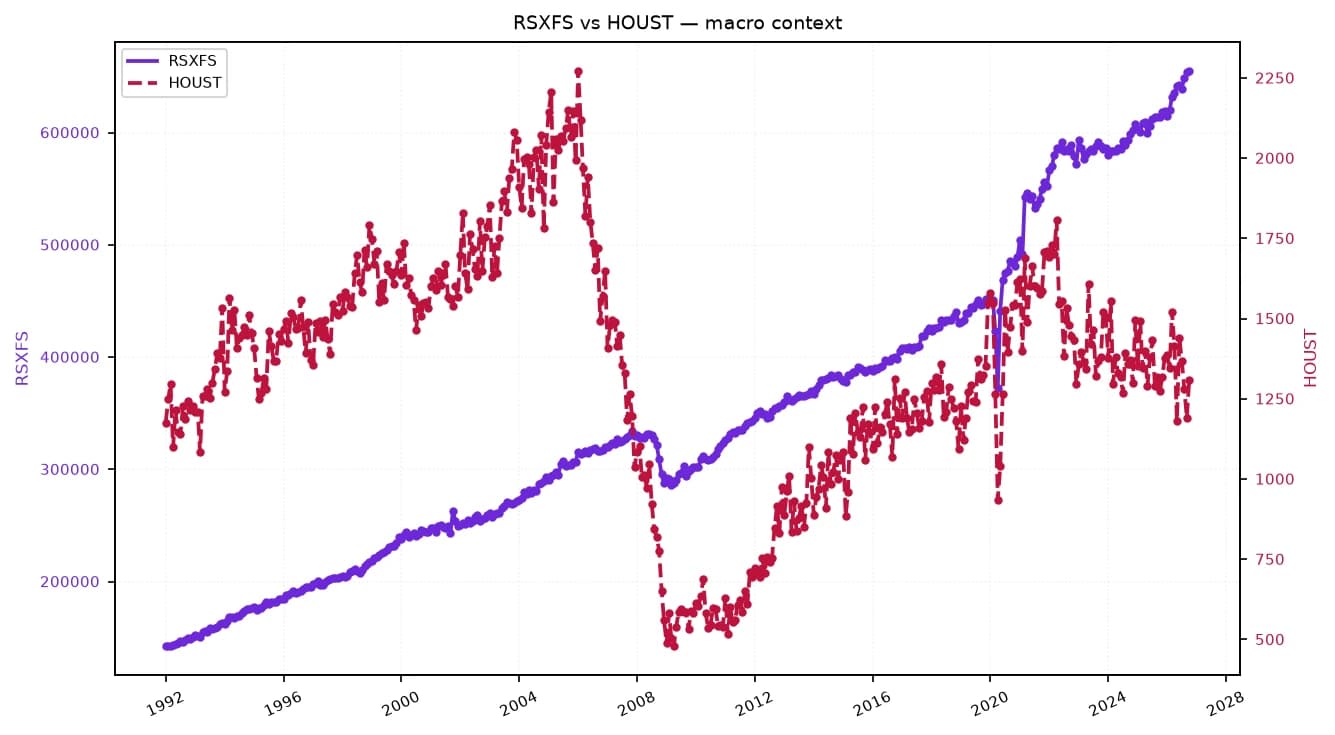
Rising living costs are set to squeeze Malaysian consumers again next year, even as the economy keeps expanding and inflation edges only gradually higher.
Malaysia inflation forecast rises to 2.0% for 2027
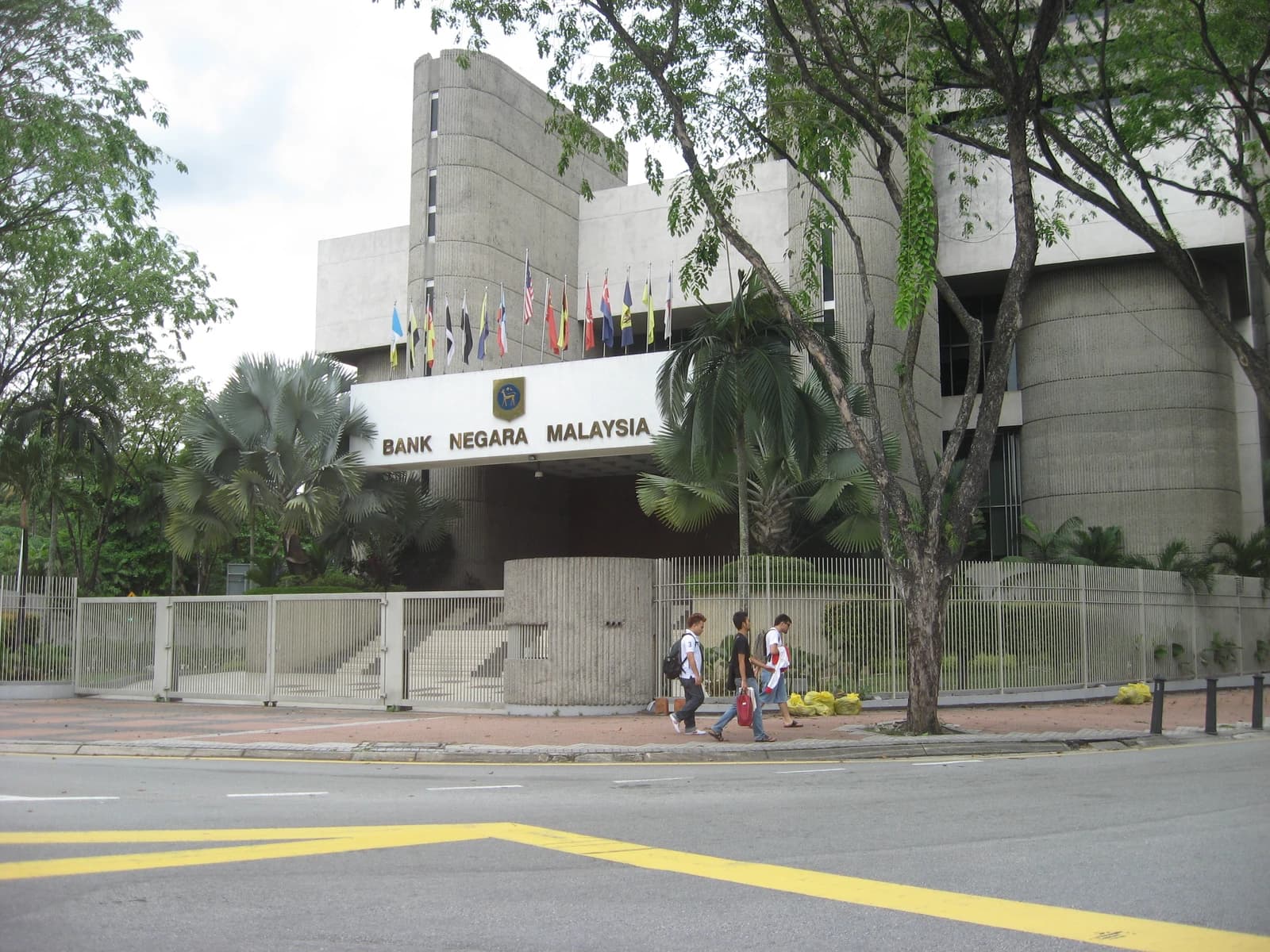
BMI, a unit of Fitch Solutions, lifted its 2027 inflation forecast for Malaysia to 2.0% from 1.8% and said households will face tougher spending choices as prices keep eroding purchasing power. The research firm sees little immediate relief from monetary policy, expecting Bank Negara Malaysia to hold its policy rate at 2.75% until the first quarter of 2027, while high household debt and debt-servicing costs continue to weigh on demand.
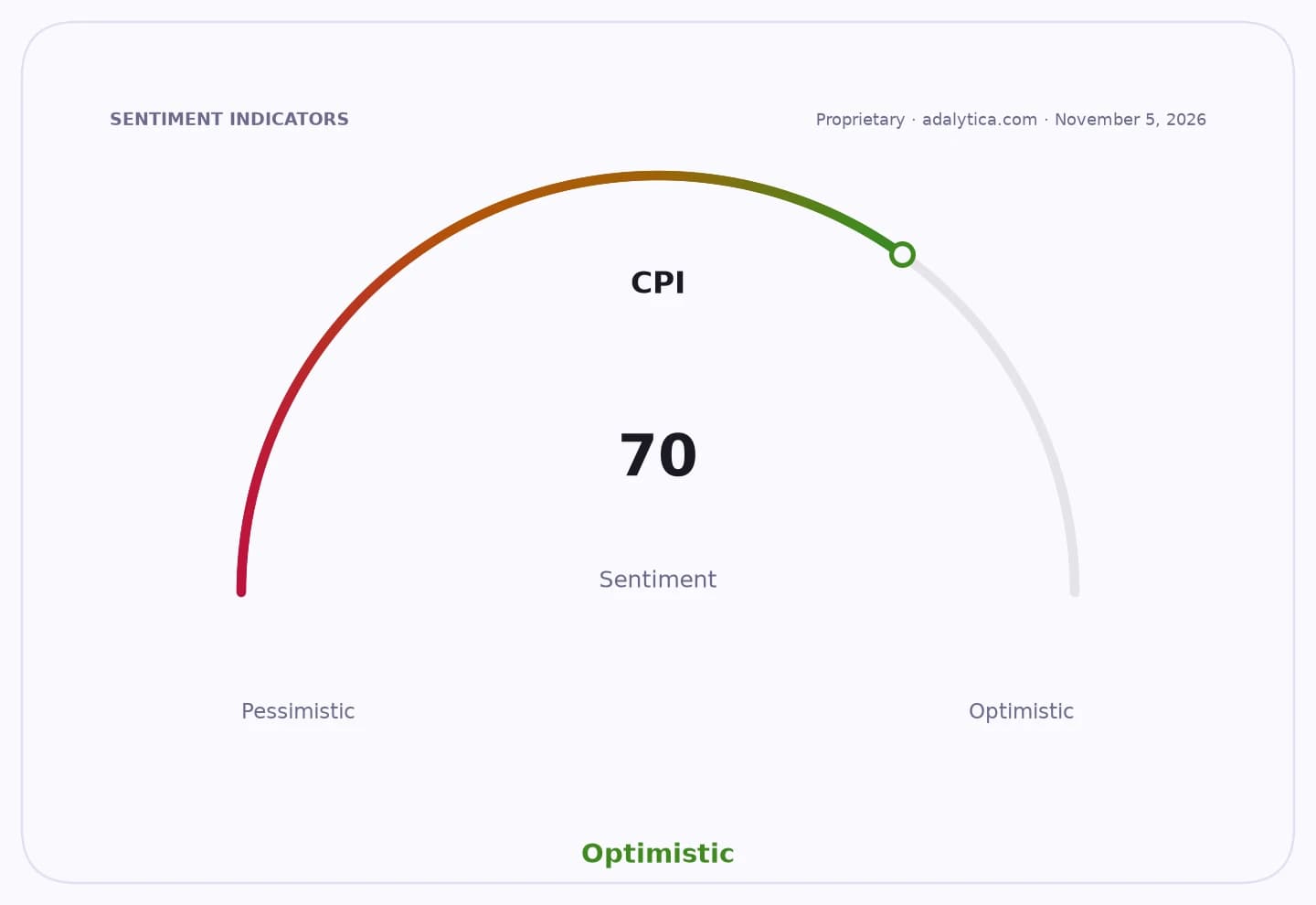
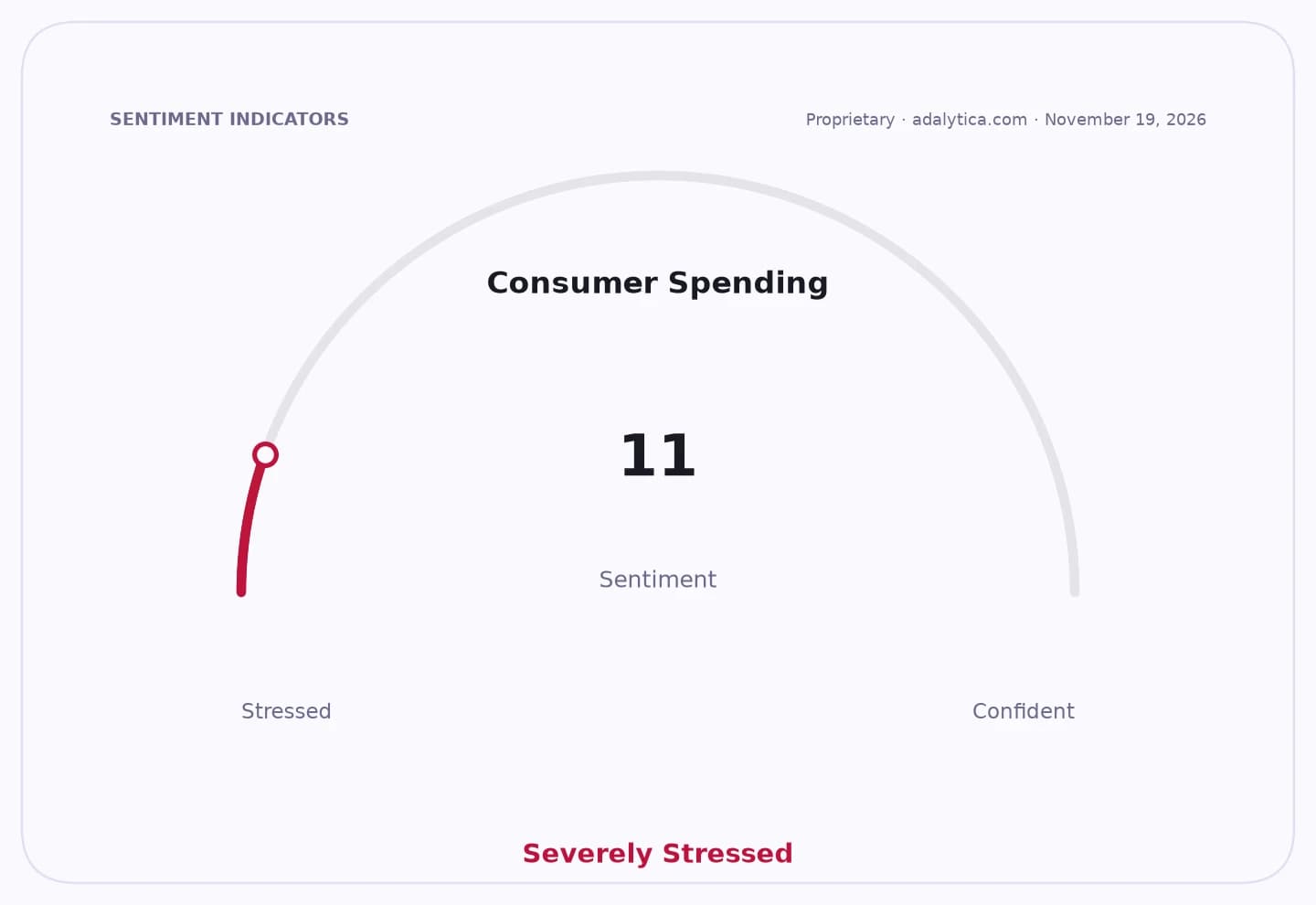
Sentiment Indicators

The outlook matters because Malaysian consumption has been one of the main buffers for growth, but it is increasingly vulnerable to a mix of sticky food and housing costs, still-elevated inflation versus pre-pandemic norms and a policy stance that is not expected to ease soon. BMI’s call that real household spending will still grow 4.07% in 2027, only fractionally below 4.08% in 2026, suggests consumption is slowing rather than collapsing — a sign that the pressure is likely to show up first in discretionary purchases, trade-down behavior and weaker retail momentum rather than in a broad demand shock.
That tension is already visible in the data BMI cited. Year-over-year export growth accelerated to 54.5% in September from 45.5% in June, underscoring the economy’s external strength, while retail sales growth eased to 3.8% in August from 4.2% in June. Headline inflation slipped to 1.8% in September from 1.9% in August, but BMI expects housing and food costs to push it back near 2.0% in October. The message is that macro conditions are not deteriorating sharply, yet they are not giving consumers meaningful relief either.
CPI
For investors, that backdrop has mixed implications. Consumer staples and value retailers may prove more resilient if households keep shifting toward necessities, while higher-end discretionary spending could stay under pressure. Bank lenders could benefit from steady loan demand if growth holds up, but elevated household leverage limits how much margin for error they have if wage growth weakens or defaults begin to rise. The policy backdrop also reduces the prospect of a near-term rate tailwind for rate-sensitive sectors.
BMI said it will watch third-quarter GDP and upcoming inflation prints to refine its view, but the broader narrative is clear: Malaysia appears headed into 2027 with growth intact, consumer resilience still present, and household budgets under enough strain to cap a stronger spending recovery.
| Entity | Gains | Losses |
|---|---|---|
| Exporters | ▲Strong external demand | ▼Softer domestic consumers |
| Retail staples | ▲Trade-down spending | ▼Discretionary retailers |
| Banks | ▲Steady credit growth | ▼Highly leveraged borrowers |
| Households | ▲Stable employment | ▼Higher food and housing costs |