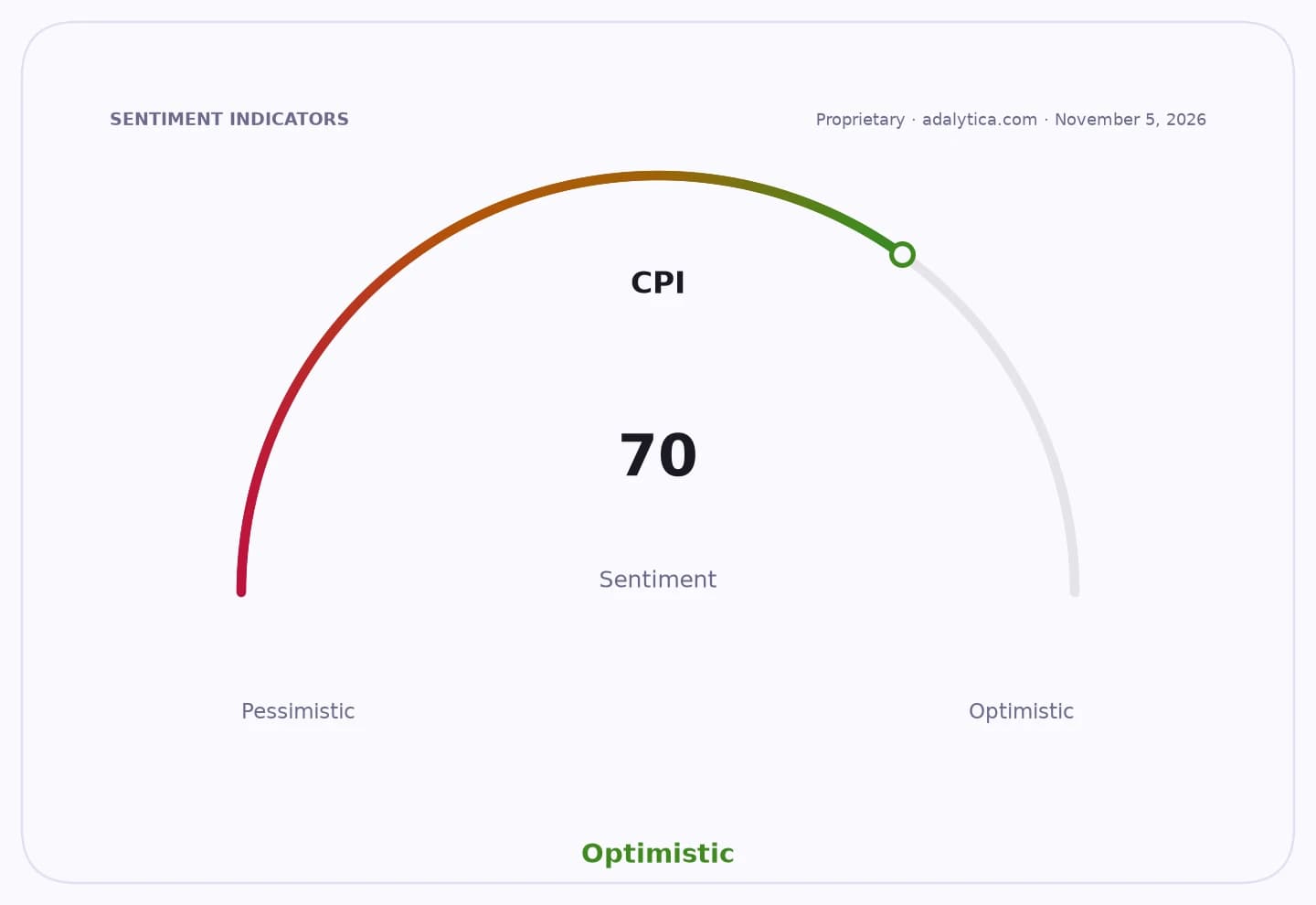
Malaysia's inflation edged up to 1.9% in October, driven by higher transport and energy costs, a reading that keeps price pressures contained but points to a firmer inflation track heading into year-end.
Malaysia inflation rises to 1.9% in October
The consumer price index rose 1.9% from a year earlier, up from 1.8% in September and just below the 2% median forecast in a Reuters poll of economists. On a monthly basis, headline inflation inched up 0.1%, suggesting price gains remain gradual rather than broad-based.
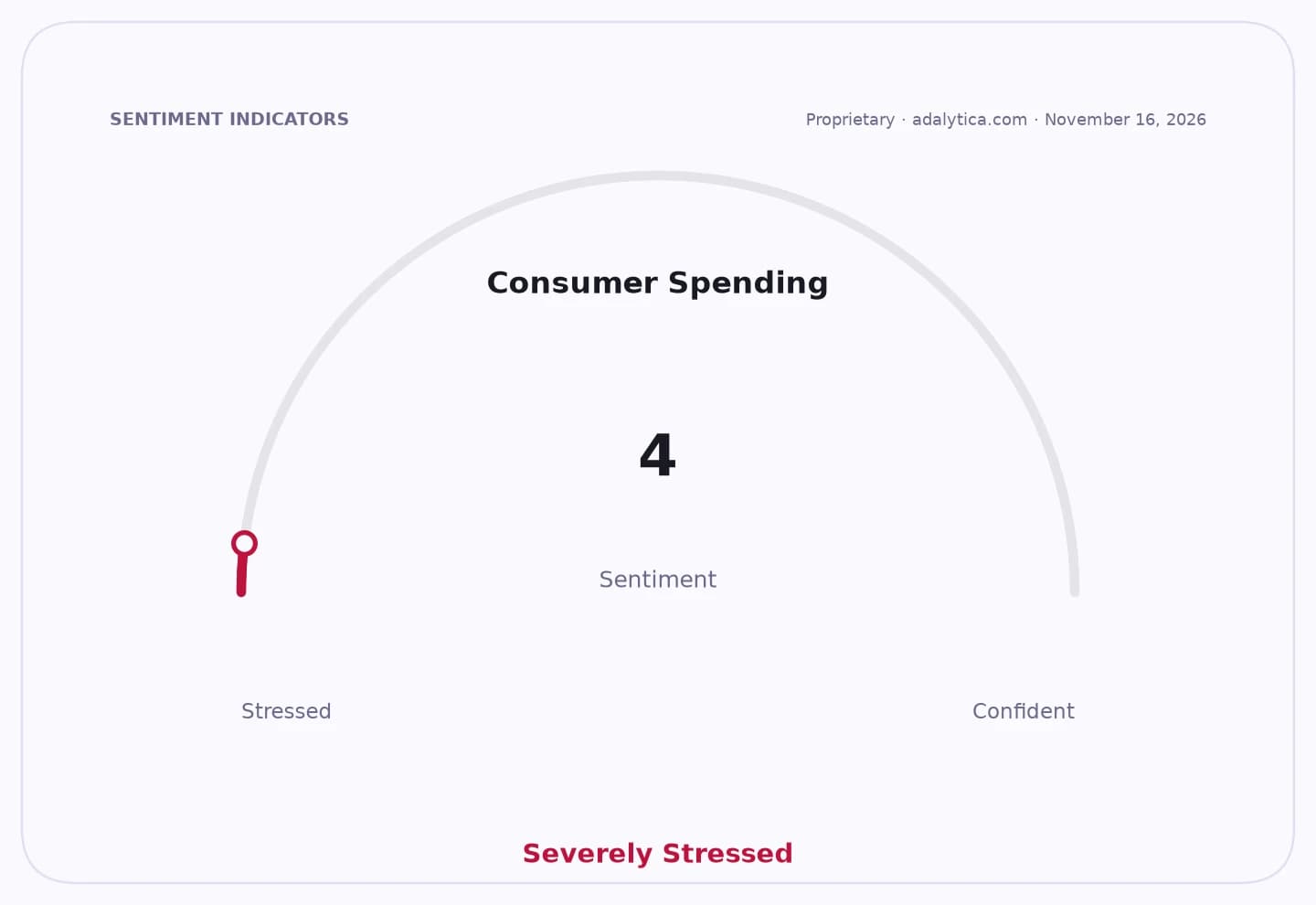
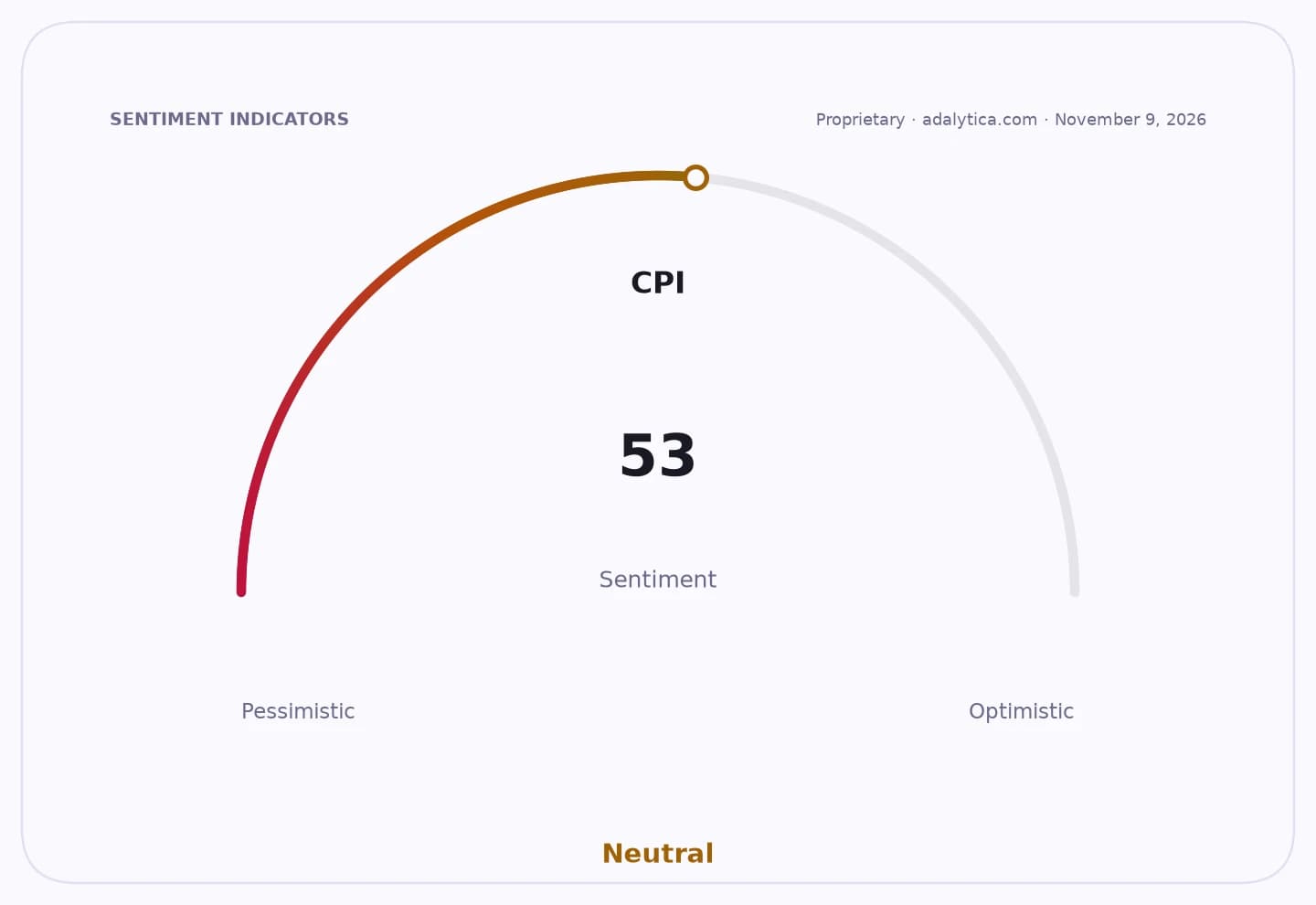
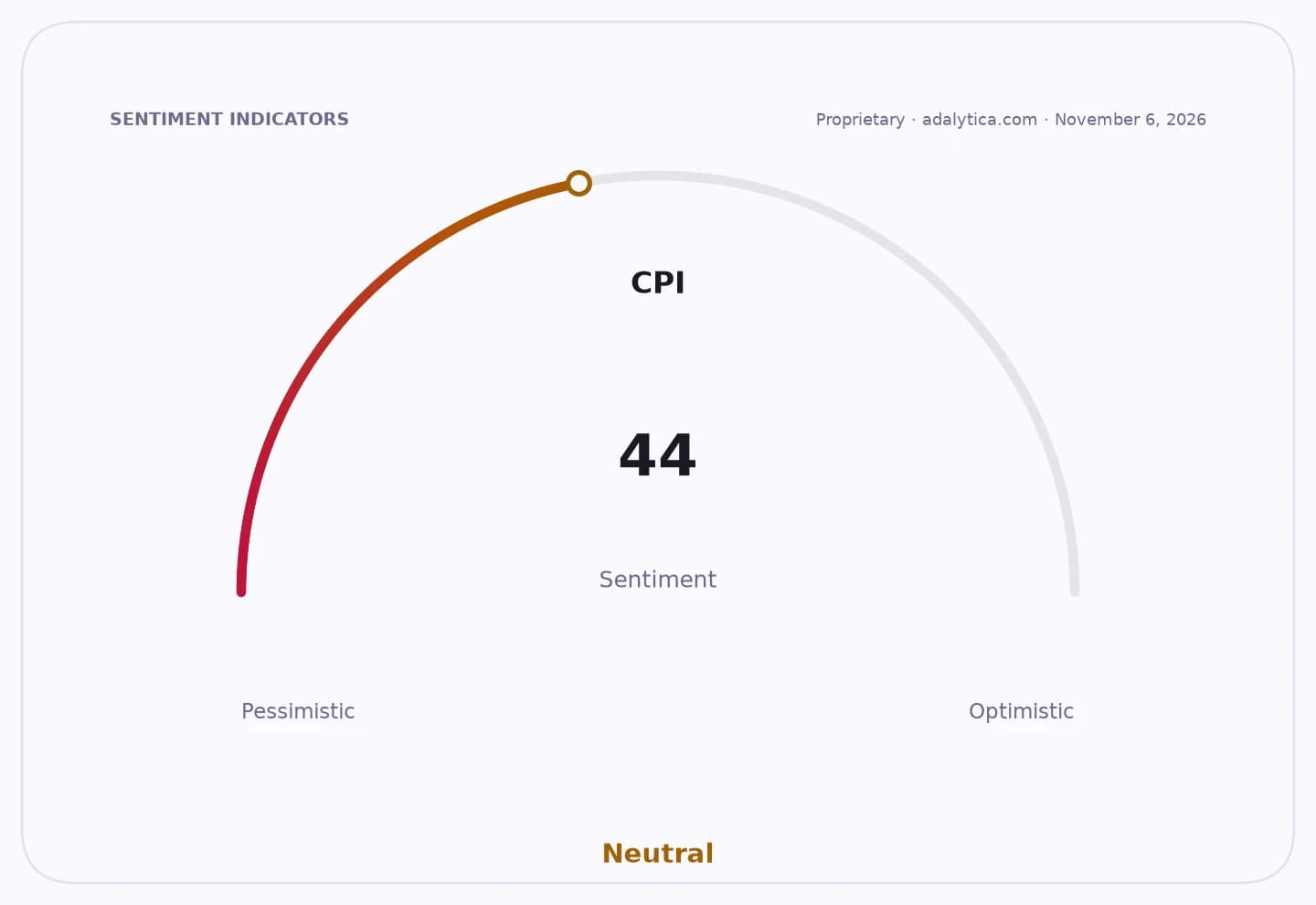
Sentiment Indicators
Transport was the main driver, with the category rising 4.2% after a 2.5% increase the previous month as personal transport equipment costs climbed. The average price of unleaded RON97 petrol rose to RM5.00 per litre from RM4.64 in September, while diesel climbed to RM5.20 from RM5.05. RON95 also increased to RM4.52 from RM4.16, though both fuels remain well below subsidised levels.
Energy-related prices also firmed, with the housing, water, electricity, gas and other fuels group rising 1.9% from 1.4% in September. Within that, electricity, gas and fuel inflation jumped to 4.7% from 0.1%, highlighting how utility and energy costs are feeding into the broader CPI.
The food and beverages group, which accounts for 29.8% of the CPI basket, rose 1.7% in October, slightly slower than September's 1.8%. Restaurant and accommodation services also moderated, easing to 2.1% from 2.2%, a sign that core consumer demand is not yet translating into a sharp acceleration in services inflation.
For investors, the report keeps Malaysia in a relatively comfortable inflation zone compared with economies facing more aggressive price pressures, reducing the immediate case for policy tightening. But the firmer fuel and utility components could weigh on household spending power and complicate the outlook if energy prices remain elevated.
Markets will be watching whether the October move proves temporary or marks the start of a broader pickup in inflation as year-end demand, subsidy adjustments and imported costs feed through the economy.
| Entity | Gains | Losses |
|---|---|---|
| Malaysian households | ▲stable overall inflation | ▼higher fuel and utility bills |
| Energy and transport providers | ▲higher pricing pass-through | ▼consumers' purchasing power |
| Malaysia policymakers | ▲room to keep policy steady | ▼pressure if inflation keeps rising |
| Consumer-linked stocks | ▲limited rate-risk overhang | ▼margin pressure if costs rise faster |