Thilafushi, the Maldives’ waste island turned industrial hub, has become a useful gauge of how deeply the archipelago’s economy is being reshaped by Chinese money, contractors and trade.
Maldives Thilafushi Shows China Financing Shift

That matters because the Maldives is not just building infrastructure; it is managing a narrow line between financing development and accumulating strategic dependence. For investors, the country’s tilt toward Beijing affects everything from sovereign funding risk and tourism flows to the outlook for Indian Ocean logistics and regional power competition.
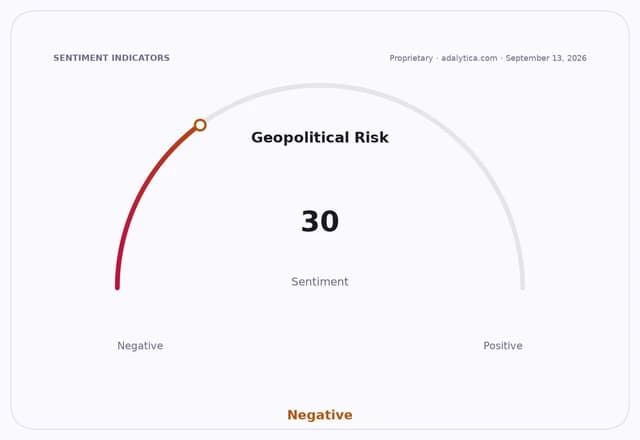
Sentiment IndicatorsⓘProprietary · adalytica.com · September 13, 2026
This is a snapshot — live sentiment, awareness and momentum for 130+ markets update continuously in the dashboard.Open AlphaPulse
The broader narrative is straightforward: the Maldives needs large-scale capital to expand ports, housing, reclamation and utilities, and China remains one of the few players willing to finance and execute such projects quickly. Thilafushi, with its industrial activity and land-reclamation footprint, captures the practical side of that relationship better than official statements do. It reflects an economy that is small, import-dependent and capital-hungry, which makes foreign backers unusually influential.
That dependence is economically consequential. When a country of roughly 500,000 people relies on external financing for basic infrastructure, the terms of that funding can shape public finances for years. Debt service, procurement standards and contractor selection all become part of the geopolitical equation. A project like Thilafushi is not just a construction site; it is a channel through which Chinese firms, financing and technology can become embedded in domestic development.
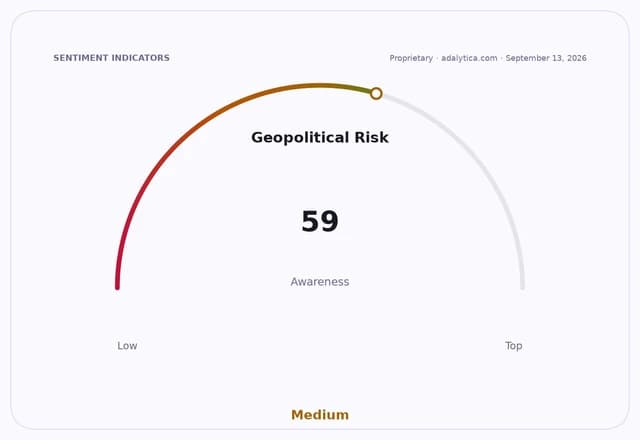
For markets, the issue is less about a single asset than about sovereign risk. The Maldives has little room for policy error, and any expansion in Chinese-linked projects can intensify scrutiny of its fiscal position, external balances and negotiating leverage with other lenders. India remains the other major strategic counterweight in the archipelago, and the balance between the two powers influences how much flexibility Male has in seeking funding on favorable terms.
The commercial upside is clear. Chinese participation can accelerate infrastructure delivery in a country where construction bottlenecks are costly and tourism-driven growth depends on logistics, sanitation and transport capacity. The bear case is that the same model can deepen refinancing risk if projects underperform or if foreign-currency obligations outpace revenue generation. In a low-diversification economy, that can quickly turn a development push into a balance-sheet problem.
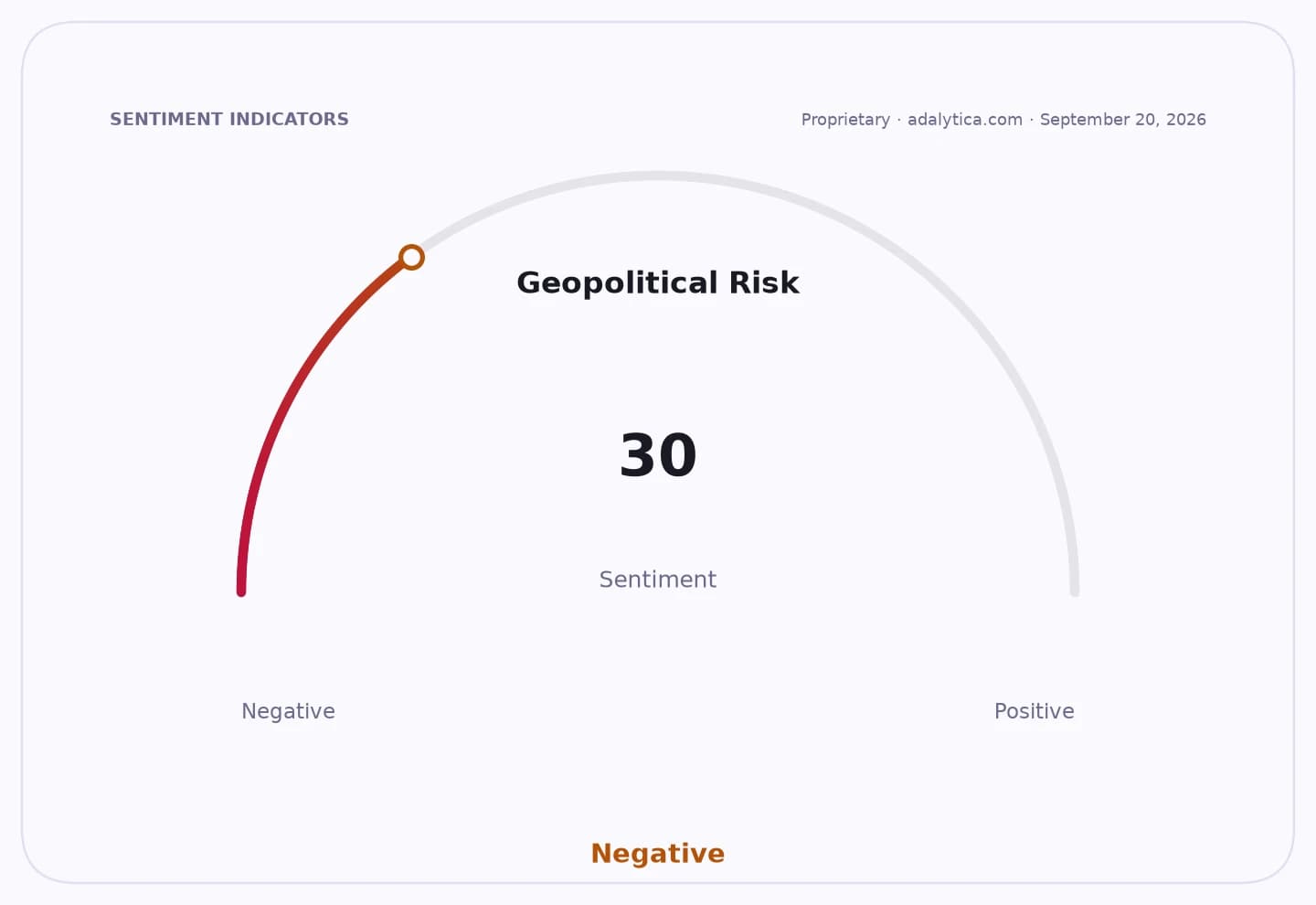
Adalytica’s China CCP Policy Direction Sentiment remains neutral at 44, but awareness is at an extreme 100, underscoring how closely investors are watching Beijing’s external posture even when broad policy signals are mixed. At the same time, global stability sentiment has dropped to 30, or “fear,” reflecting a risk backdrop in which Indian Ocean geopolitics can spill into sovereign and EM asset pricing.
The market implication is that the Maldives is increasingly being read not as a standalone frontier story, but as part of a broader contest over strategic infrastructure in the Indian Ocean. Thilafushi is important because it shows how that contest reaches down to the level of land reclamation, waste management and industrial zoning — the unglamorous but politically potent foundations of influence.
Investors should watch whether the Maldives continues to favor Chinese financing and construction at the margin, or whether it seeks a more balanced funding mix to reduce dependence. The answer will shape fiscal resilience, diplomatic room for maneuver and the durability of the country’s investment case.
| Entity | Gains | Losses |
|---|---|---|
| Maldives government | ▲Faster infrastructure buildout | ▼Higher debt dependence |
| Chinese firms | ▲Project access and influence | ▼Exposure to political backlash |
| India | ▲Leverage if Maldives diversifies | ▼Strategic space if China deepens foothold |
| Foreign creditors | ▲Potential deal flow | ▼Greater sovereign risk uncertainty |