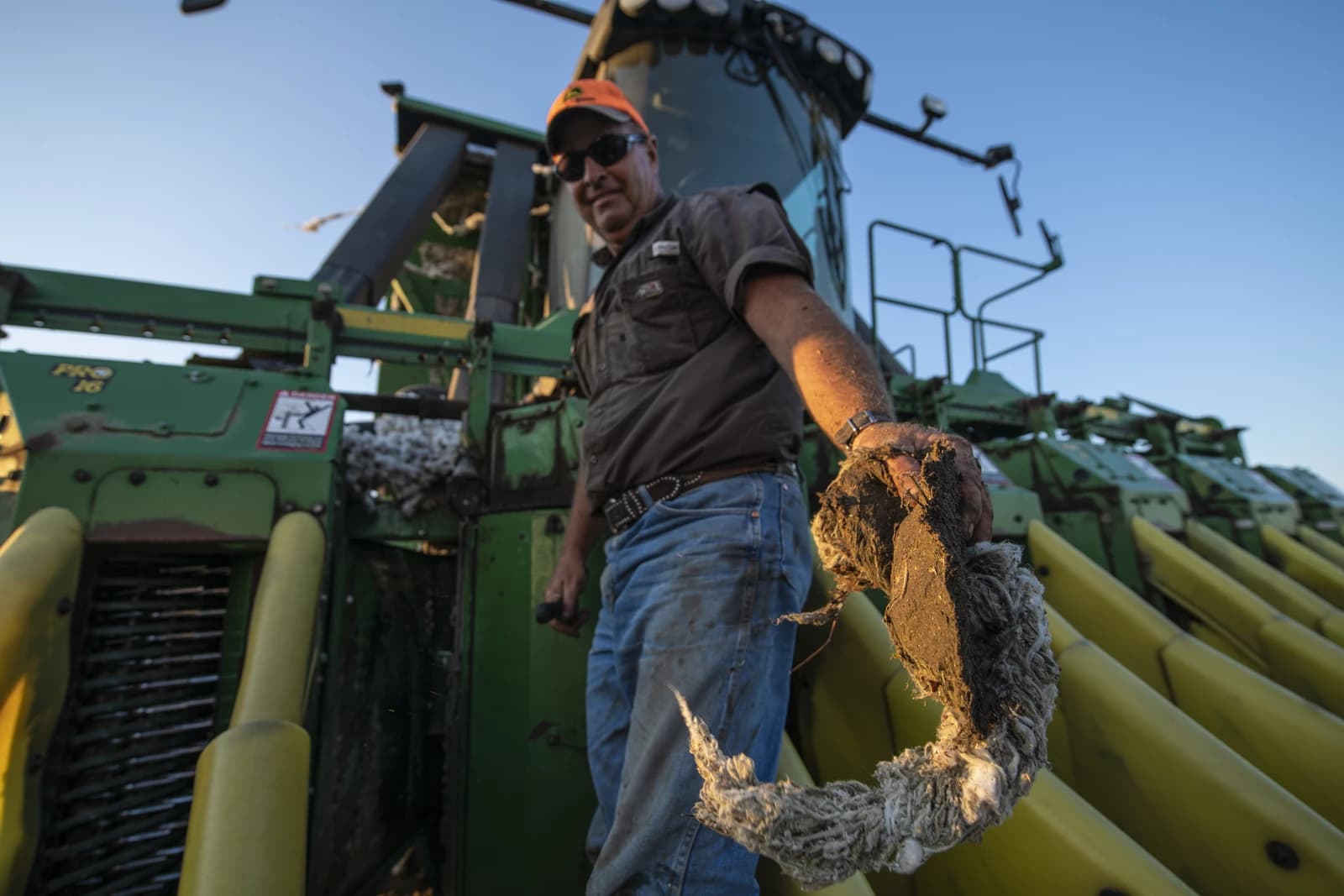
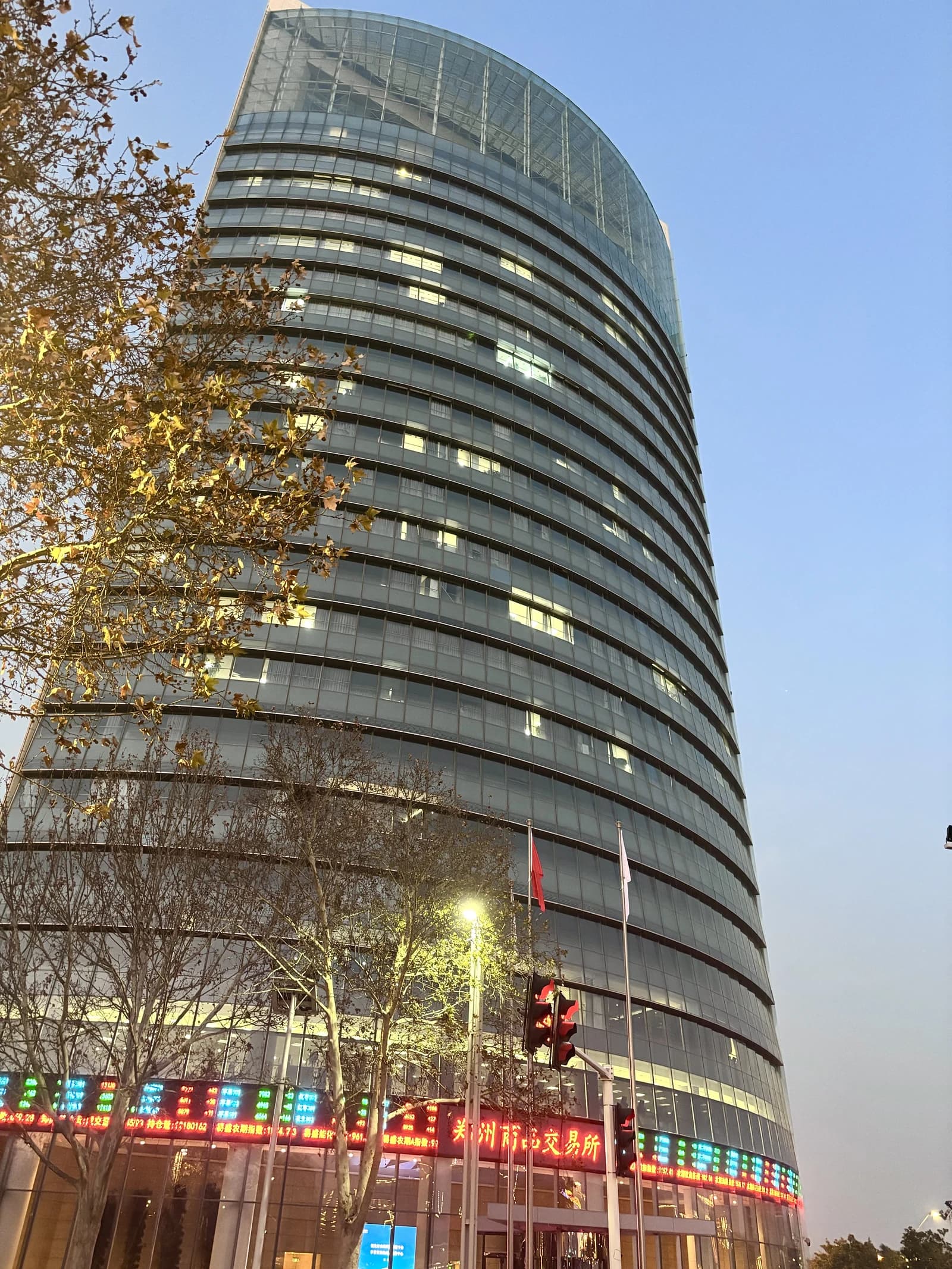
Cotton is becoming more than an export crop in Mali, and that shift matters because the country is trying to turn a raw agricultural staple into a source of industrial jobs, rural income and foreign-exchange resilience.
Mali Launches SOTEX-Mali Textile Plant Plan
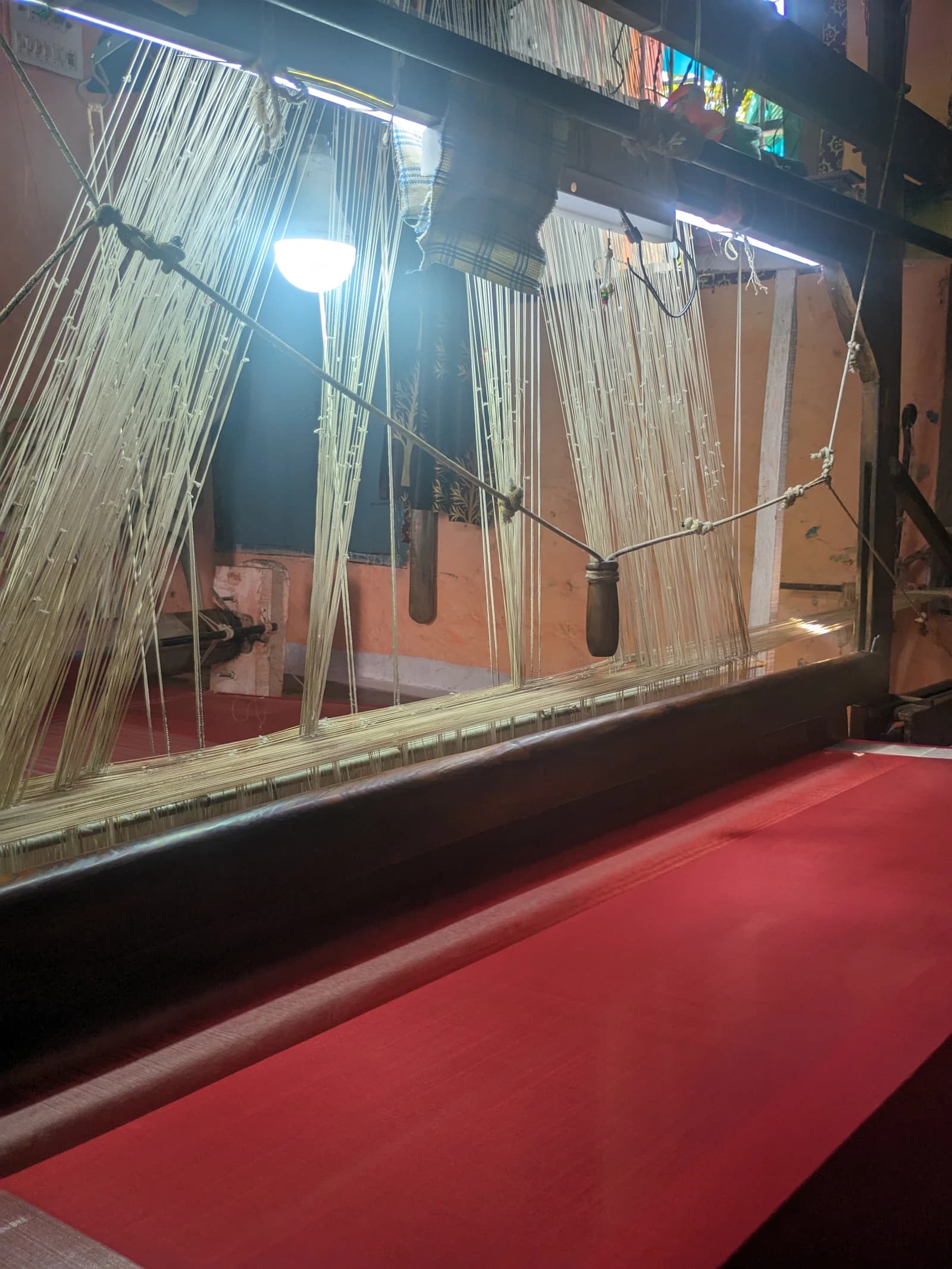
The clearest sign came in July 2026 with the launch of SOTEX-Mali, a state-owned company created to build out a domestic textile industry. Its first target is an industrial plant designed to process 40,000 tonnes of cotton fiber a year, a move that could localize about 13% of the cotton volumes Mali currently ships out as raw material.
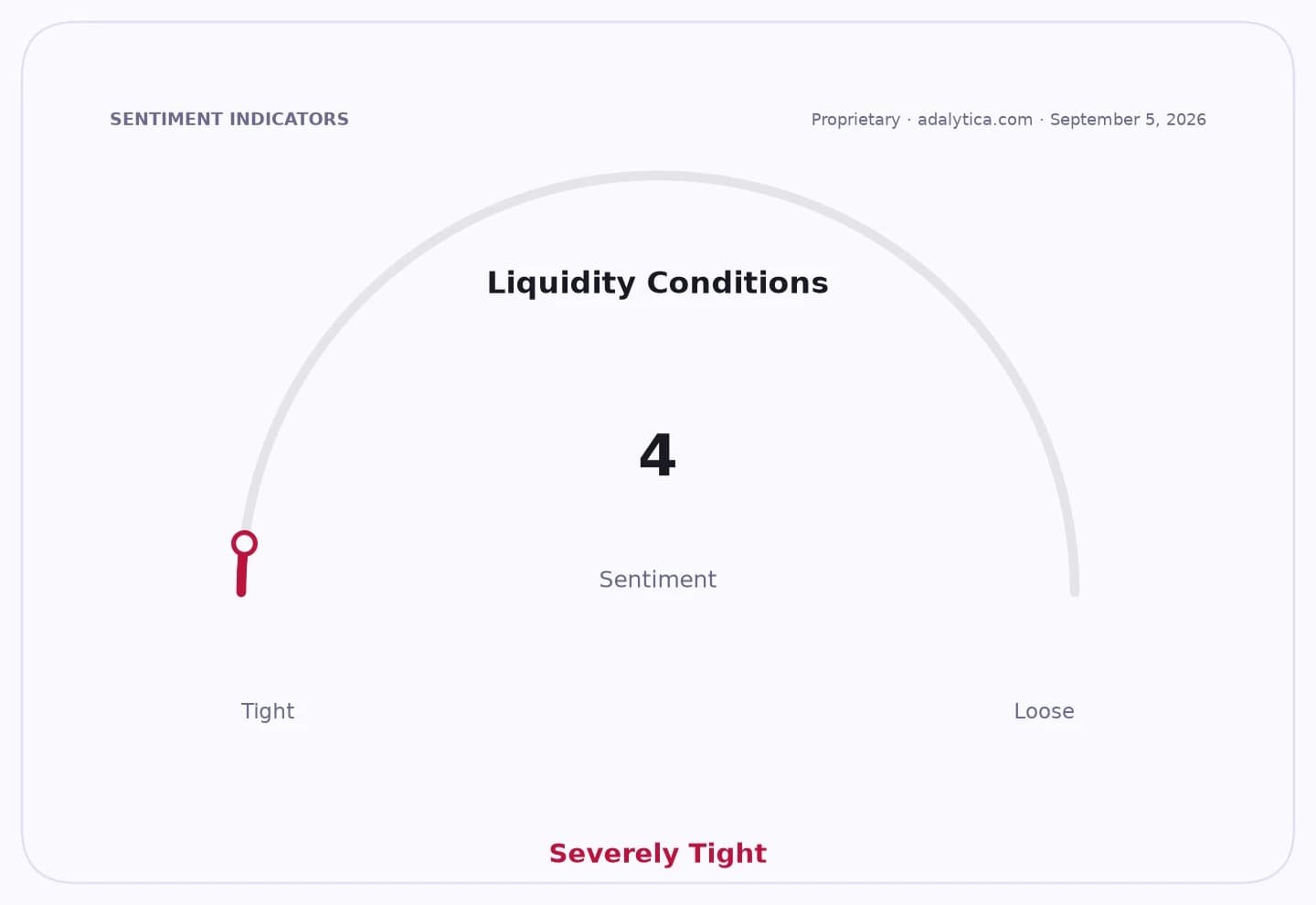
Sentiment IndicatorsⓘProprietary · adalytica.com · October 3, 2026
This is a snapshot — live sentiment, awareness and momentum for 130+ markets update continuously in the dashboard.Open AlphaPulse
For Mali, where cotton is the main crop and a pillar of the economy, the economics are straightforward: exporting bales leaves most of the value chain abroad, while spinning and weaving at home keeps more margin inside the country. Officials are betting that even a modest step toward processing can support factory employment, create downstream service jobs and reduce dependence on commodity exports, which remain vulnerable to price swings and logistics bottlenecks.
The policy logic also reaches deep into villages. Cotton supports about 40% of the rural population, so any move to build local transformation capacity can ripple through farmgate incomes, transport, warehousing, ginning and artisan work. In theory, that gives producers a better shot at capturing value beyond the harvest season, while giving the state a more diversified industrial base.
The challenge is execution. Mali’s cotton sector has long been defined by volume rather than branding or manufacturing, and turning that into a competitive textile chain requires steady power, water, transport and reliable procurement. The country will also have to prove that local processing can scale without eroding farm prices or crowding out private investment. For investors and development lenders, the question is whether SOTEX-Mali becomes a profitable industrial anchor or another state-backed attempt to move up the value chain in a difficult operating environment.
Still, the broader narrative is clear: Mali is trying to convert cotton from a cash crop into an industrial platform. If the model works, it could reduce raw-fiber exports, strengthen rural livelihoods and give the country a new layer of economic resilience at a time when commodity dependence remains a structural risk.
| Entity | Gains | Losses |
|---|---|---|
| Mali government | ▲Industrial value added | ▼Raw-export dependence |
| Rural cotton farmers | ▲More local demand | ▼Exposure to weak procurement |
| SOTEX-Mali | ▲Processing mandate | ▼Execution risk |
| Foreign textile buyers | ▲Supply diversification | ▼Access to cheap raw fiber |