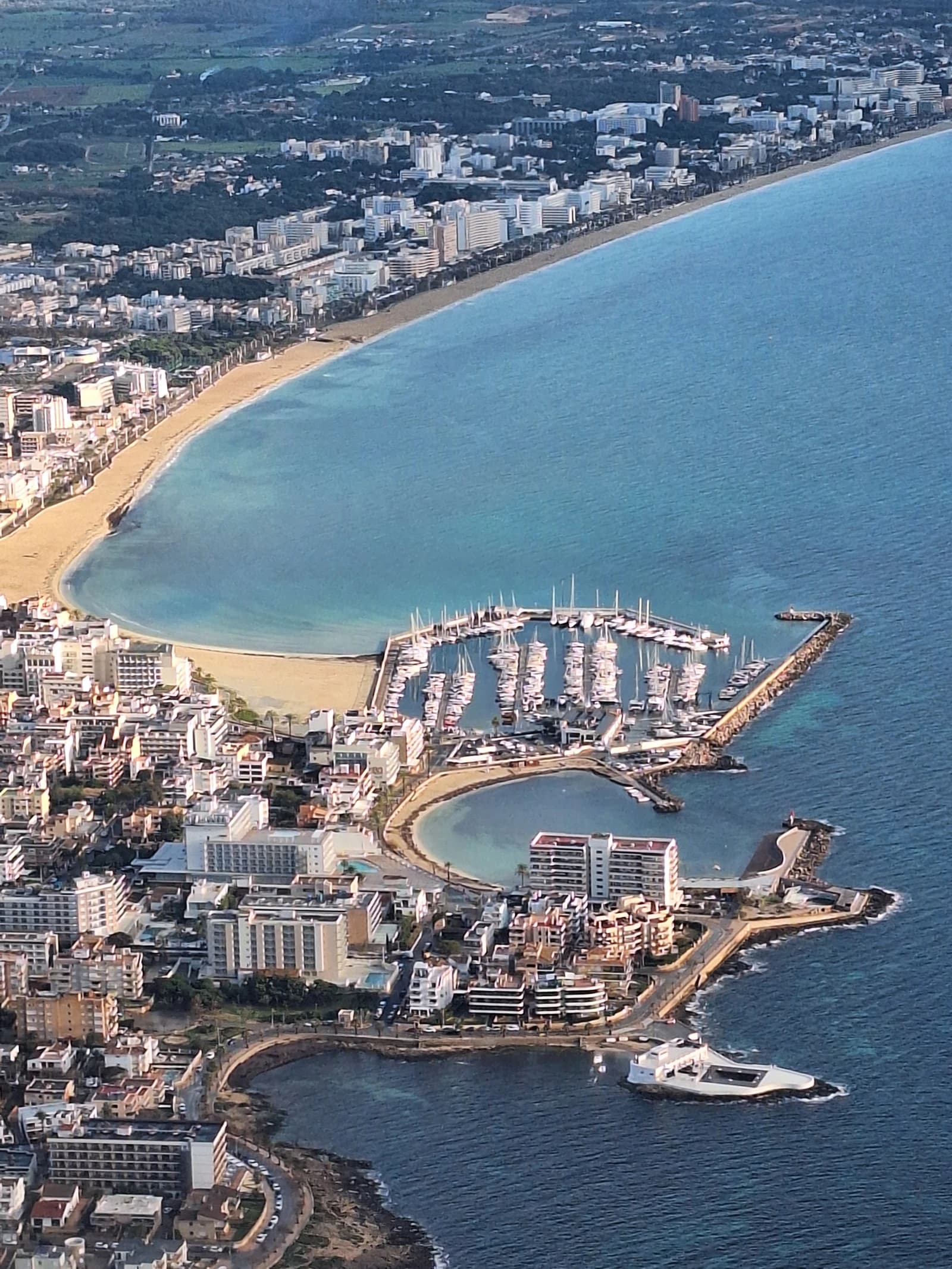
Mallorca’s hospitality sector is warning that the island’s late-summer trade has started far below normal, underscoring a broader problem for tourism economies: crowded streets do not necessarily mean profitable tills.
Mallorca restaurants report weak September trade

Restauración Mallorca CAEB said it could not recall a start to September as weak as this year’s, after the final two weeks of August also ended below the same period a year earlier. The warning matters because September is typically when operators on the Balearic island try to extend the summer season and capture one last burst of demand before arrivals fade. If that spending is not materializing, restaurants and bars face a sharper hit to margins, staffing plans and cash flow than headline visitor numbers suggest.
Sentiment IndicatorsⓘProprietary · adalytica.com · September 12, 2026
This is a snapshot — live sentiment, awareness and momentum for 130+ markets update continuously in the dashboard.Open AlphaPulse
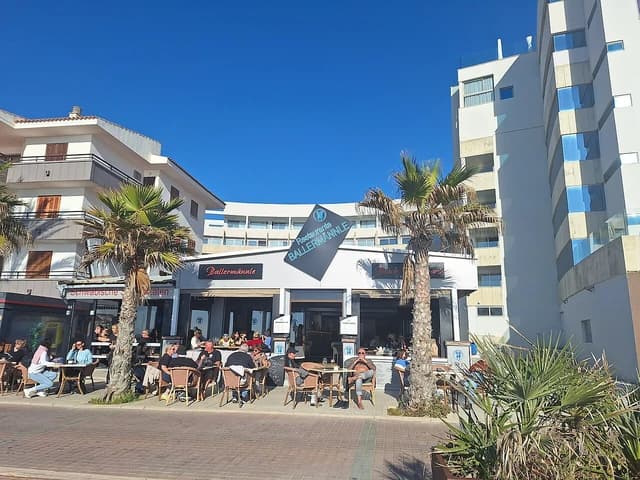
The association’s comment points to a classic strain in tourism-heavy economies. Visitor traffic can remain elevated while discretionary spending weakens, leaving food-and-beverage businesses exposed to lower average ticket sizes, shorter stays, or a shift in spending toward cheaper options. For Mallorca, where hospitality is central to local employment and supplier demand, a weak shoulder season risks rippling beyond restaurant owners into wholesalers, transport, and seasonal workers.
The fact that late-August takings failed to recover and still finished below 2024 levels suggests the softness is not just a brief pause but part of a more persistent slowdown in consumer outlay. That is especially significant in a sector that depends on high-volume months to absorb fixed costs such as rent, labor and energy. When those months underperform, even busy districts can mask deteriorating profitability.
For investors, the story is less about one island than about the durability of travel demand in a higher-cost environment. If tourists are still coming but spending less per head, that can pressure operators’ same-store sales, compress restaurant margins and temper expectations for hotel-linked food and beverage revenue. Publicly traded travel and lodging groups with Mediterranean exposure, including Marriott International, Hilton and Royal Caribbean, are not directly tied to Mallorca restaurants, but the data reinforce a wider theme: leisure demand is proving more price-sensitive than traffic figures imply.
The bull case is that the weakness may reflect timing, mix or weather-related distortions rather than a structural break in tourism. The bear case is that households are becoming more selective after a long run of higher travel costs, forcing hospitality operators into discounting that erodes returns even when occupancy and footfall hold up.
If September stays soft, the pressure will turn to whether Mallorca can salvage the autumn season or whether this summer marks the point at which the island’s tourism boom stops converting into the kind of spending that sustains restaurant earnings.
| Entity | Gains | Losses |
|---|---|---|
| Mallorca visitors | ▲Lower prices, more bargaining power | ▼Fewer premium options |
| Restaurant owners | ▲— | ▼Lower takings, tighter margins |
| Local suppliers | ▲Steadier volume if traffic holds | ▼Weaker orders if spending falls |
| Tourism-linked investors | ▲Better read on demand resilience | ▼Margin pressure in leisure names |