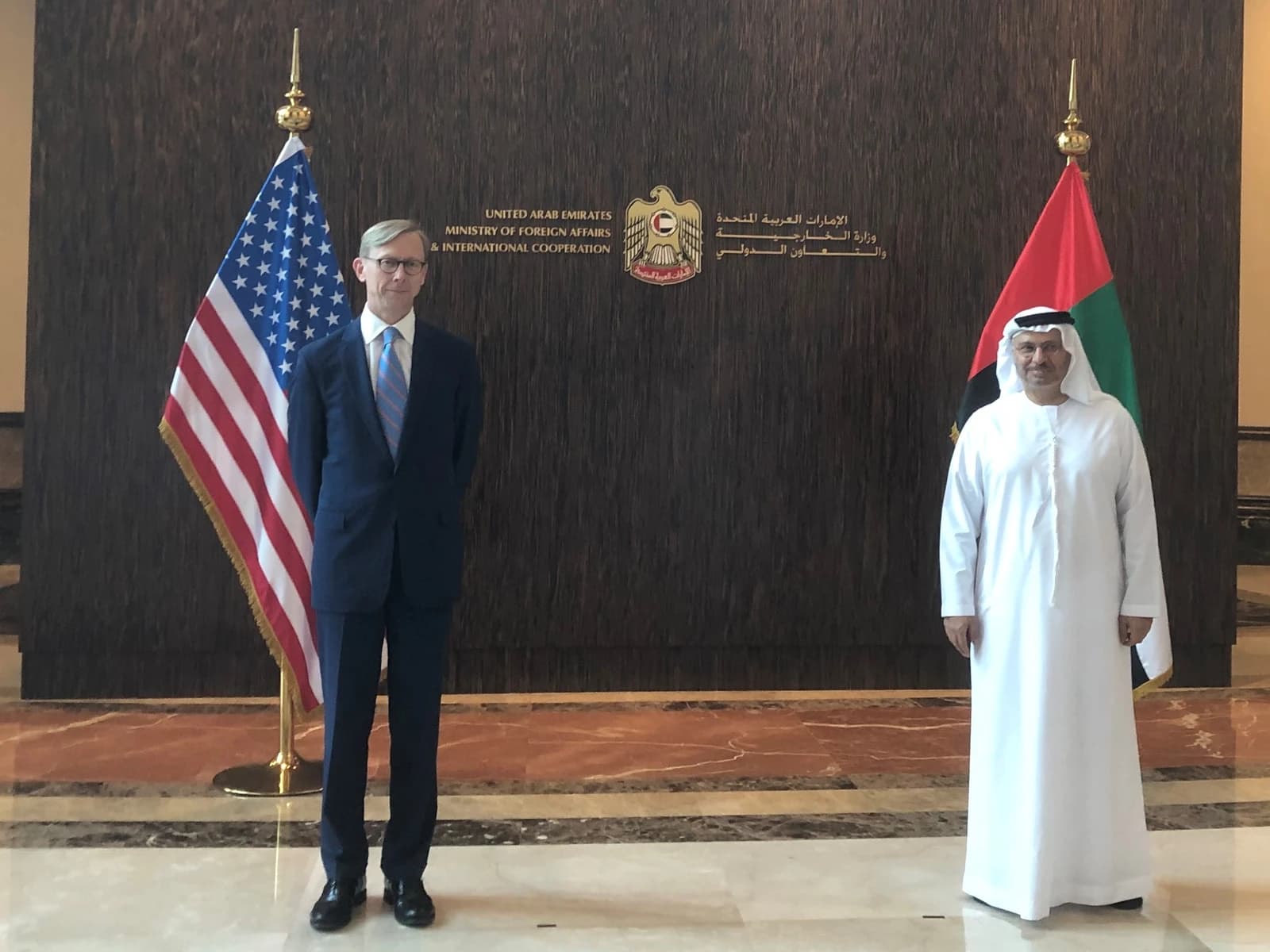
Mashreq Capital says it is favoring sovereign debt in Egypt, the UAE and Morocco while staying cautious on four other Arab markets, arguing that stronger external buffers and reform momentum now outweigh the region’s rising geopolitical and funding risks.
Mashreq Capital favors Egypt UAE and Morocco debt

The investment arm of Mashreq Bank said Egypt’s improving external position and lower refinancing risk have made its sovereign bonds more attractive, adding that the UAE’s large foreign reserves and Morocco’s continued economic reform program also support its positive view. The call matters because it highlights where managers still see enough cushion to absorb volatility in a region where war, shipping disruptions and energy risks are increasingly feeding into credit differentiation.
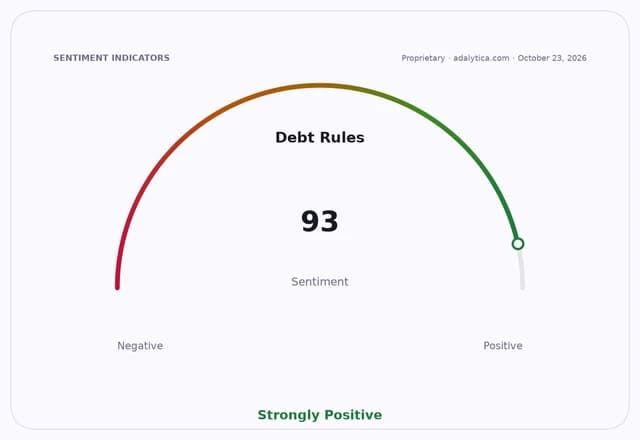
In its fourth-quarter 2026 fixed-income outlook for the Middle East and North Africa, the firm said this year’s developments showed regional risk extending beyond trade and logistics to critical infrastructure resilience, energy exports and broader economic activity. That shift, it said, has made balance-of-payments strength, fiscal flexibility and policy credibility more important than traditional credit ratings alone.
Mashreq Capital was neutral on Saudi Arabia, Qatar, Kuwait, Oman and Jordan, saying fundamentals remain supportive but valuations, bond supply dynamics and geopolitical considerations make the risk-reward less compelling than in its preferred markets. It was more cautious on Lebanon, Tunisia, Iraq and Bahrain, citing limited fiscal room, political uncertainty and financing pressures.
Turkey sits outside its benchmark but the firm said policy normalization has improved investor sentiment and macro stability, even as high volatility and policy uncertainty still call for selectivity.
For investors, the message is that MENA sovereign debt is becoming a more selective market: countries with stronger reserves, cleaner external accounts and reform credibility are commanding preference, while higher-risk issuers may need to offer better compensation to attract capital. That dynamic could support demand for Egyptian, UAE and Moroccan paper, while leaving more vulnerable sovereigns under pressure if global rates stay elevated and regional tensions persist.
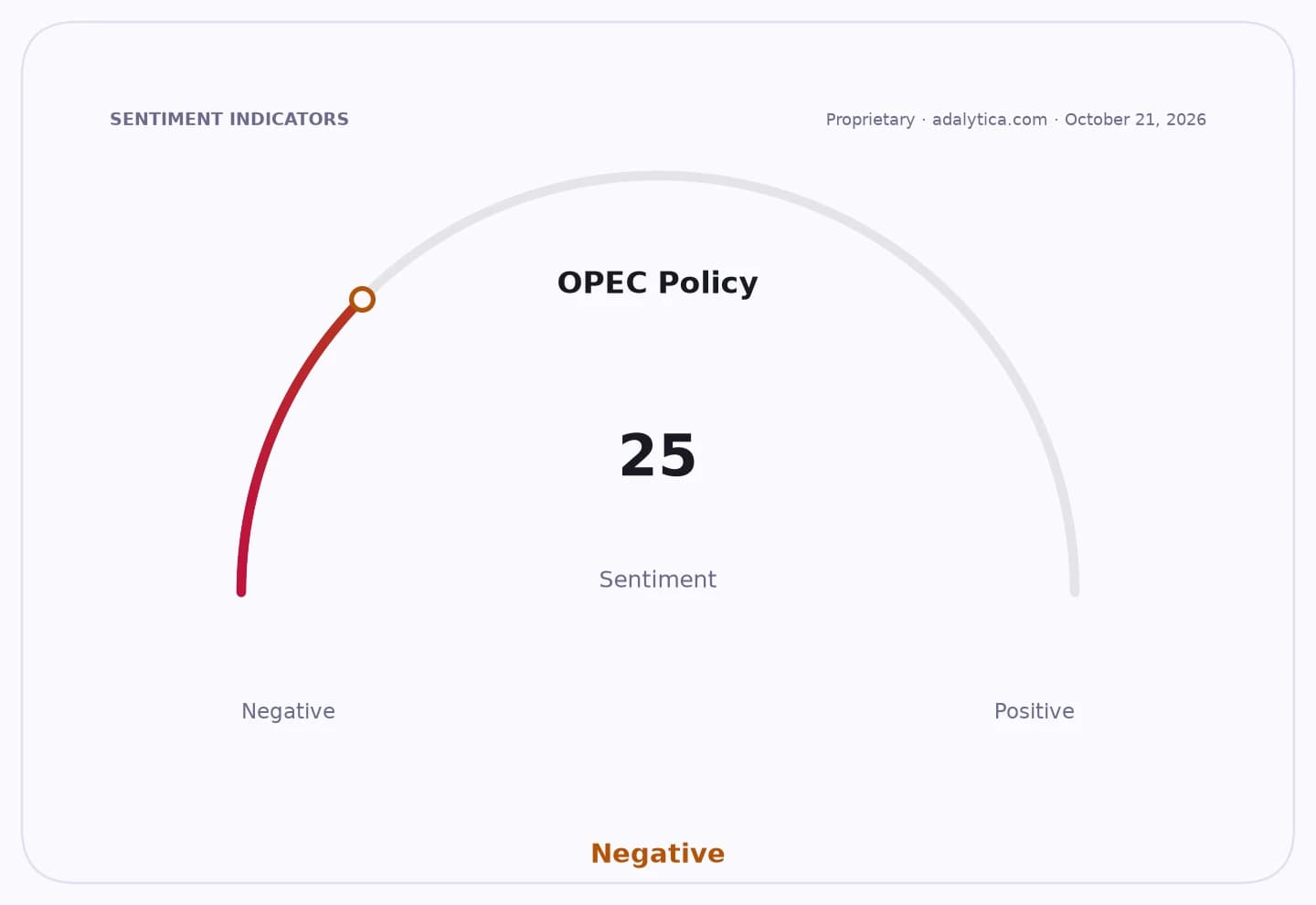
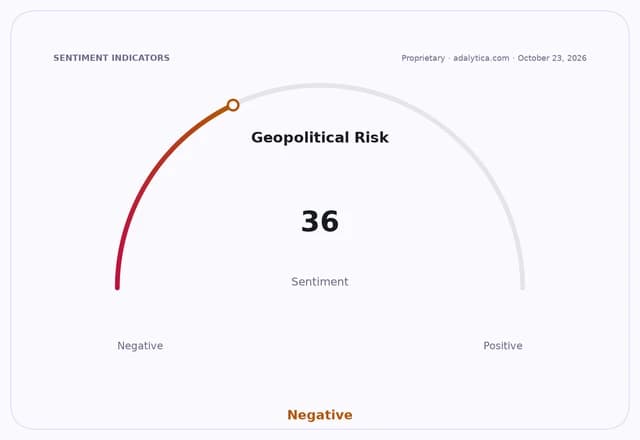
The backdrop is still mixed. U.S. Treasury yields are forecast around 5.145% on Oct. 22, while global oil prices are seen at $113.952 a barrel on Oct. 21, keeping the financing and inflation picture sensitive for exporters and importers alike. With geopolitical sentiment remaining fragile, investors are likely to keep favoring issuers with the clearest external buffers and policy credibility.
| Entity | Gains | Losses |
|---|---|---|
| Egypt, UAE, Morocco | ▲Stronger sovereign demand | ▼Less yield discount |
| Lebanon, Tunisia, Iraq, Bahrain | ▲None | ▼Investor caution, wider spreads |
| Saudi Arabia, Qatar, Kuwait, Oman, Jordan | ▲Stable fundamentals | ▼Less attractive risk-reward |
| Bond investors favoring quality | ▲Better cushion, clearer external strength | ▼Fewer high-yield opportunities |