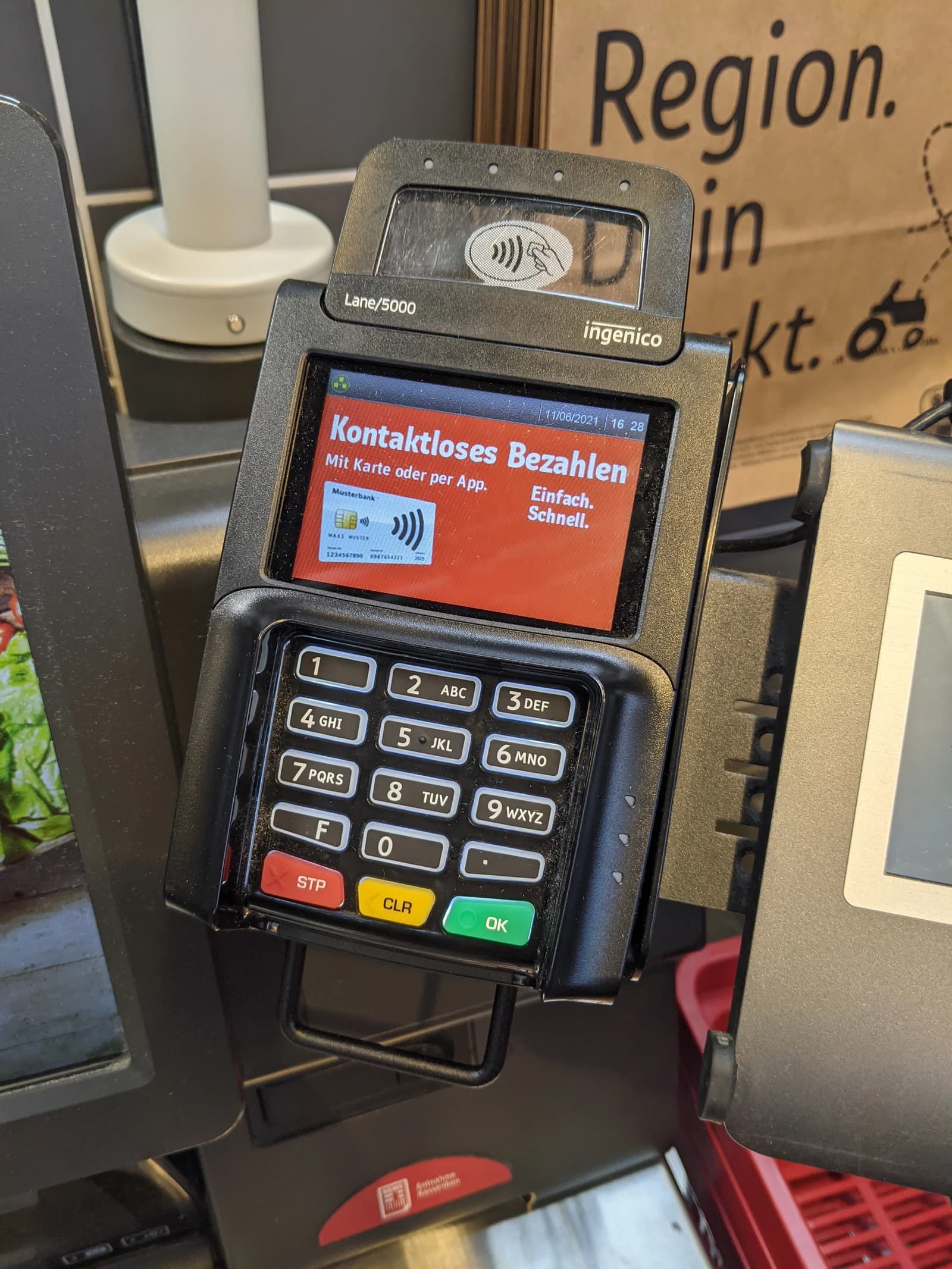
The real difference between debit cards and credit cards is who supplies the money, and that distinction matters more than most people realize because it drives fees, borrowing costs, rewards and even how payments companies like Mastercard and Visa make money.
Mastercard, Visa and American Express on card use
A debit card pulls directly from your bank account, so you can spend only what you already have. A credit card gives you a revolving line of credit from a bank or card issuer, letting you buy now and pay later. That simple split is the reason credit cards can help build a credit history, while debit cards generally do not.
For households, the economic impact is straightforward. Debit cards help people avoid interest and debt, which makes them useful for budgeting and everyday spending. Credit cards offer flexibility and perks such as cashback, discounts and rewards, but if the bill is not paid in full, interest and penalties can quickly make purchases more expensive. In a world of higher-for-longer borrowing costs, that difference is not academic — it is the line between disciplined spending and costly revolving debt.
For investors, the debit-versus-credit distinction is also the foundation of a huge payments ecosystem. Mastercard, Visa and American Express do not make money simply because a consumer swipes a card. They profit from transaction volume, processing fees, and — in the case of credit cards — the economics tied to lending, revolving balances and premium rewards programs. Mastercard’s latest technical readings show the stock has been trading well above both its 50-day and 200-day moving averages, with a very strong RSI, while Visa and American Express have also been firm, reflecting investor confidence in the durability of card spending and payment-network economics.
That is why this basic consumer question matters far beyond personal finance. Credit cards tend to generate richer economics for issuers because they can produce interest income and interchange revenue tied to higher-value spending. Debit cards, by contrast, are usually lower-margin but still crucial for broad transaction growth. If consumers shift toward debit because they want to control debt, that can weigh on lending economics but still support payment-network volumes. If credit use stays resilient, issuers and networks alike benefit from a powerful mix of spending, fees and revolver balances.
Long term, investors should think about the card world the same way they think about other financial rails: the more digital commerce grows, the more valuable trusted networks become. Mastercard, Visa and American Express all sit at the center of that trend, even if they benefit in different ways. For everyday users, the lesson is simpler: use debit when you want to spend only what you have, and use credit when you can pay on time and capture rewards without carrying expensive debt. For investors, the stronger long-term story is the continued shift toward electronic payments and the companies that keep those transactions moving.
| Entity | Gains | Losses |
|---|---|---|
| Credit card users who pay in full | ▲Rewards and flexibility | ▼Risk of debt if careless |
| Debit card users | ▲Spending discipline | ▼Fewer perks and protections |
| Mastercard and Visa | ▲More card spending volume | ▼Lower fees on debit-heavy usage |
| Banks and card issuers | ▲Interest income and interchange | ▼Delinquencies and charge-offs |