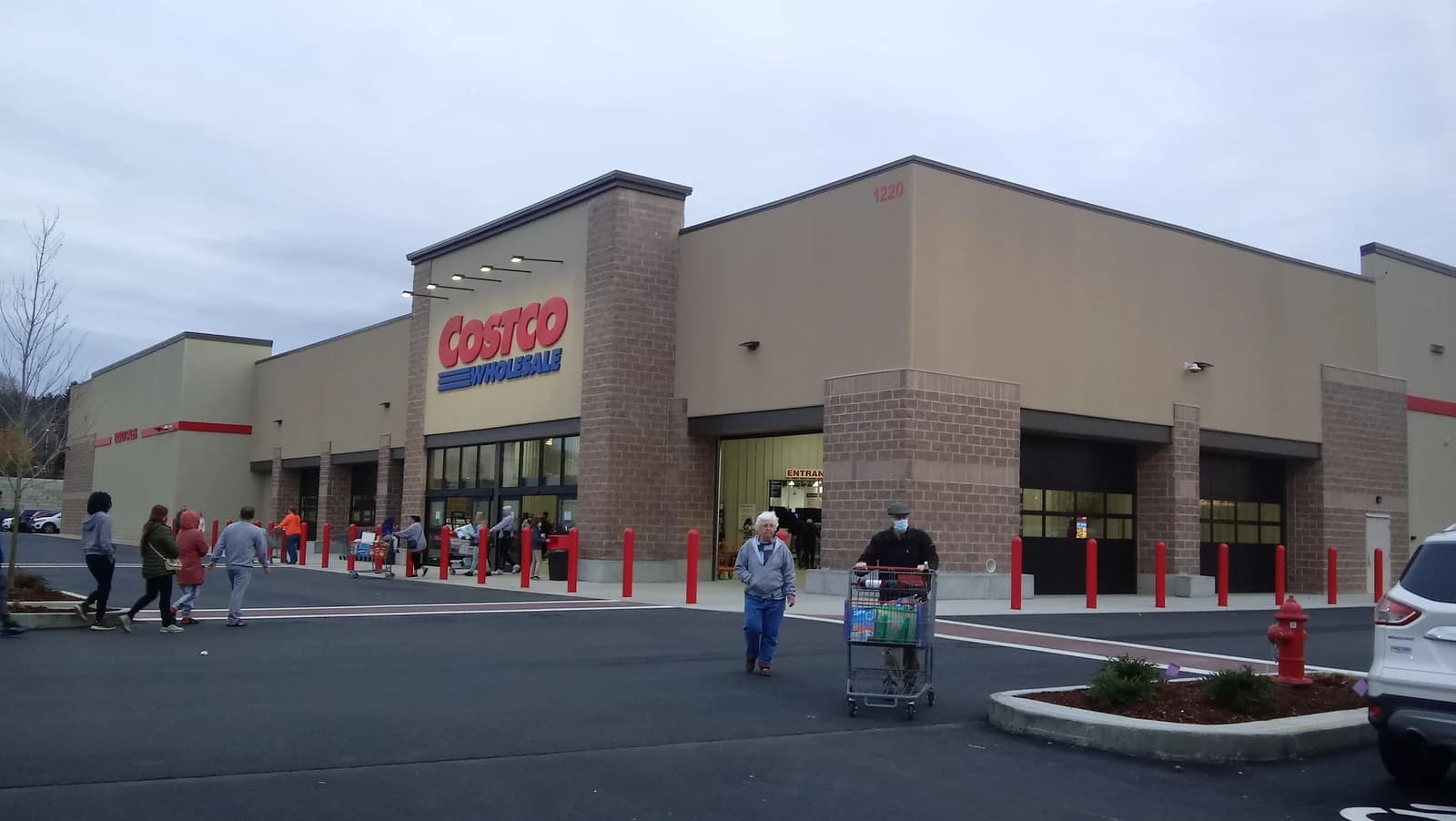
American Express’s Blue Cash Preferred card beats the no-fee Blue Cash Everyday for most households once monthly supermarket spending tops about $264, underscoring how quickly grocery inflation can make a rewards card’s annual fee worth paying.
American Express Blue Cash Preferred beats Everyday at $264 groceries
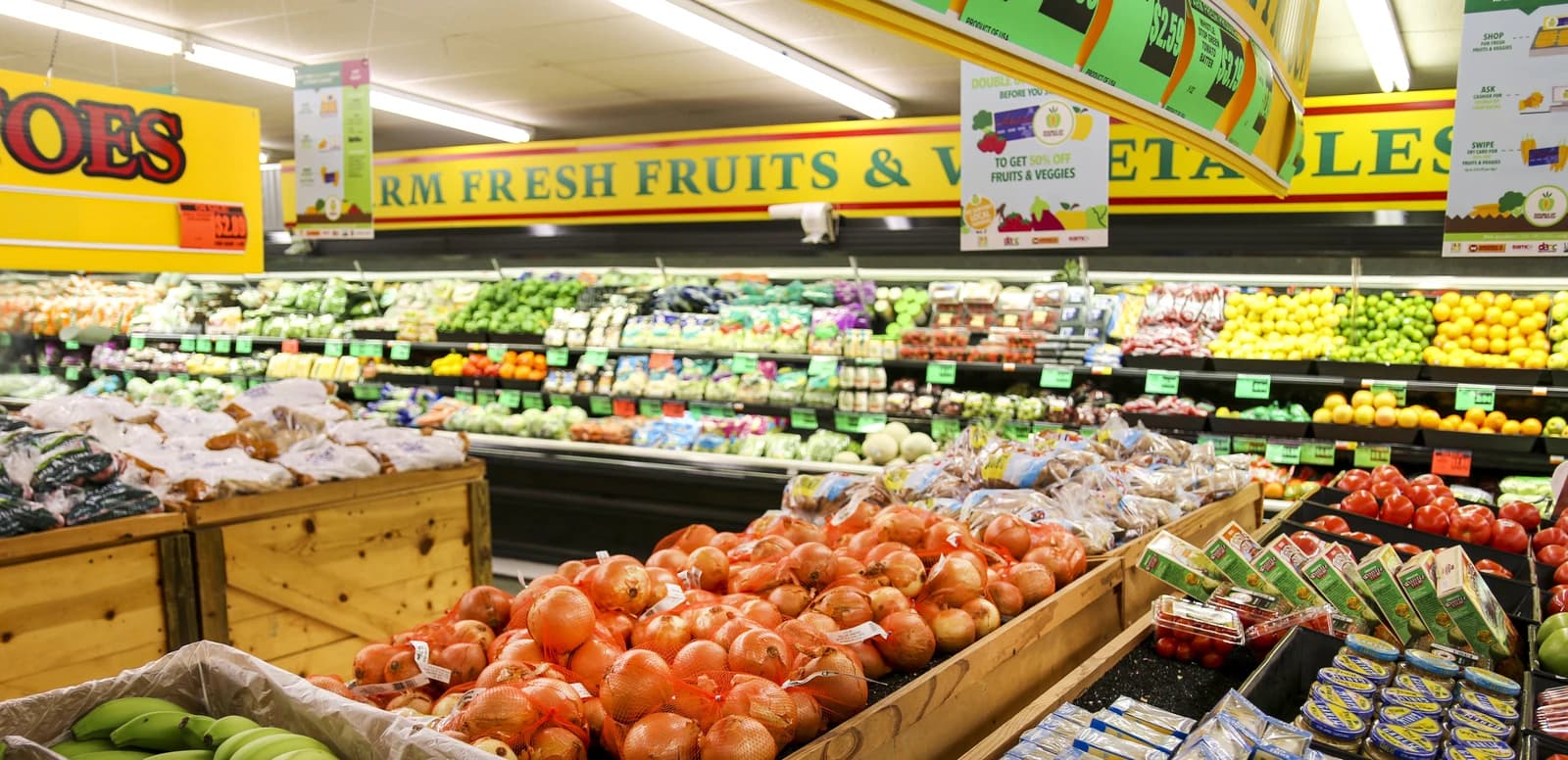
That math matters because groceries remain one of the biggest recurring expenses for consumers, and cards tied to everyday spending tend to win or lose on very small differences in household budgets. The Blue Cash Preferred earns 6% cash back at U.S. supermarkets on up to $6,000 a year, then 1%, while the Blue Cash Everyday pays 3% at supermarkets with no annual fee.
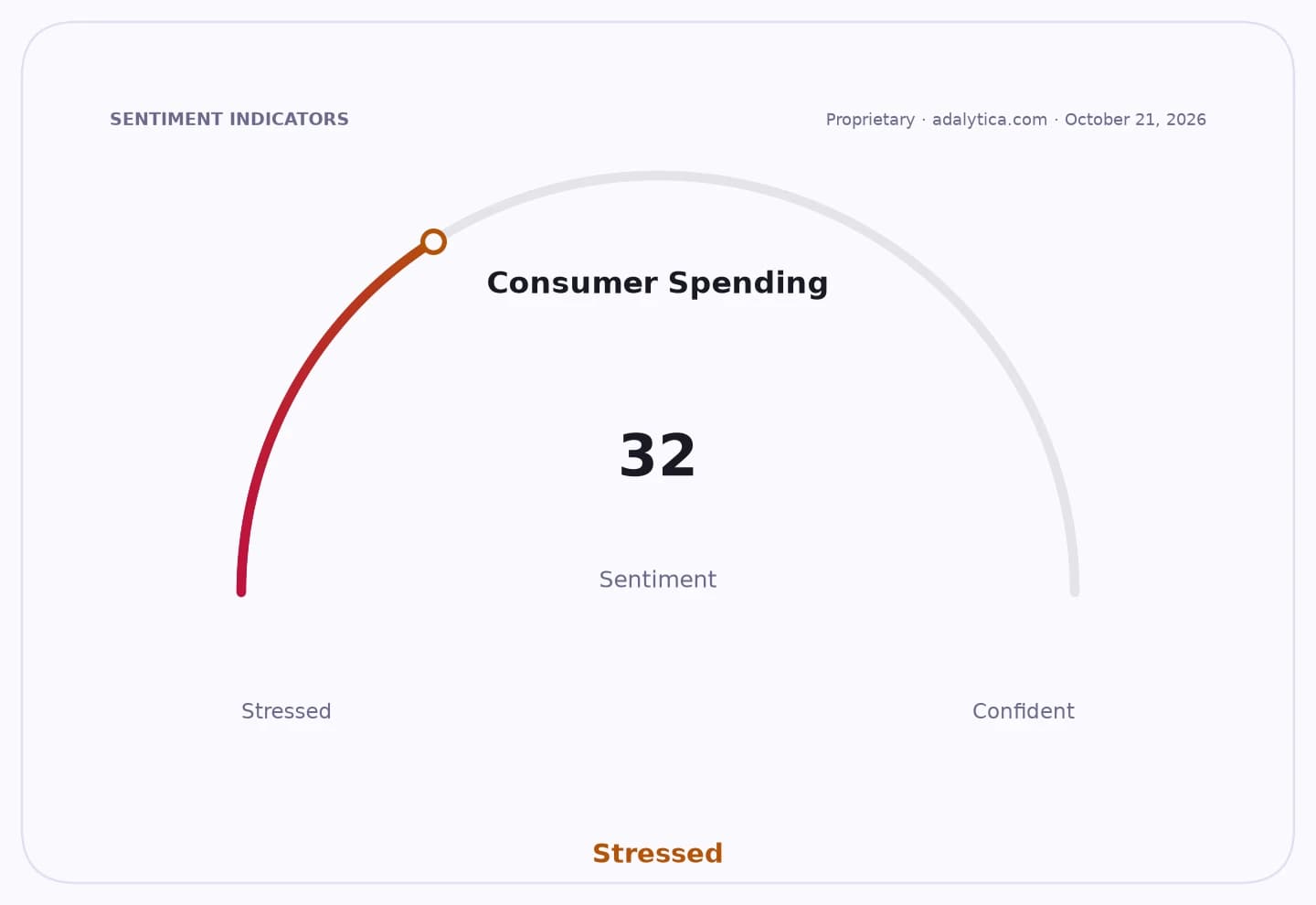
Sentiment IndicatorsⓘProprietary · adalytica.com · October 22, 2026
This is a snapshot — live sentiment, awareness and momentum for 130+ markets update continuously in the dashboard.Open AlphaPulse
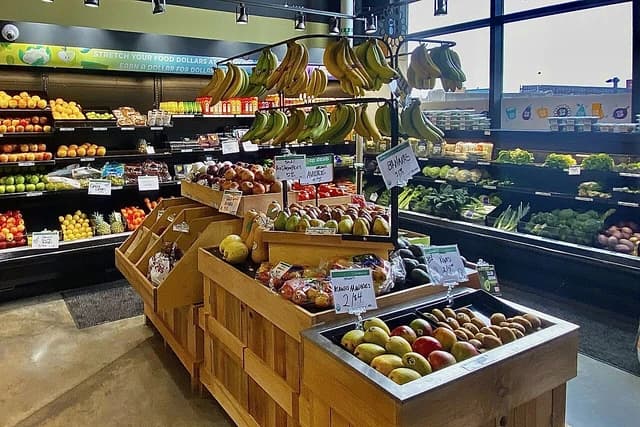
The crossover point is low enough that the Preferred is the better fit for the average U.S. household, which spends about $519 a month on groceries, according to Motley Fool Money research and Bureau of Labor Statistics data cited in the piece. At that level, the extra 3 percentage points of supermarket rewards outweigh the $95 annual fee after the first year.
For American Express, the story is less about a flashy new product and more about how it keeps monetizing everyday spending at a time when consumers are still prioritizing food, gas and streaming subscriptions. The Blue Cash Preferred also offers 3% on gas and transit and 6% on select streaming, while the Blue Cash Everyday gives 3% on supermarkets, online retail and gas, making the two cards a direct trade-off between fee and rewards intensity.
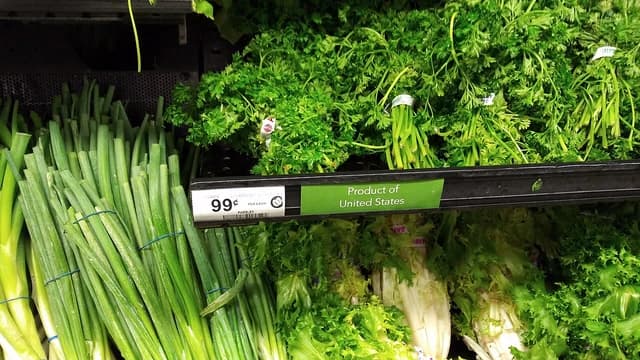
The spending thresholds also show how category caps shape card choice. Both products pay the boosted rewards rate only on the first $6,000 of annual supermarket purchases, so shoppers who spend heavily can still run into diminishing returns — especially at warehouse clubs, which are excluded from the supermarket bonus.
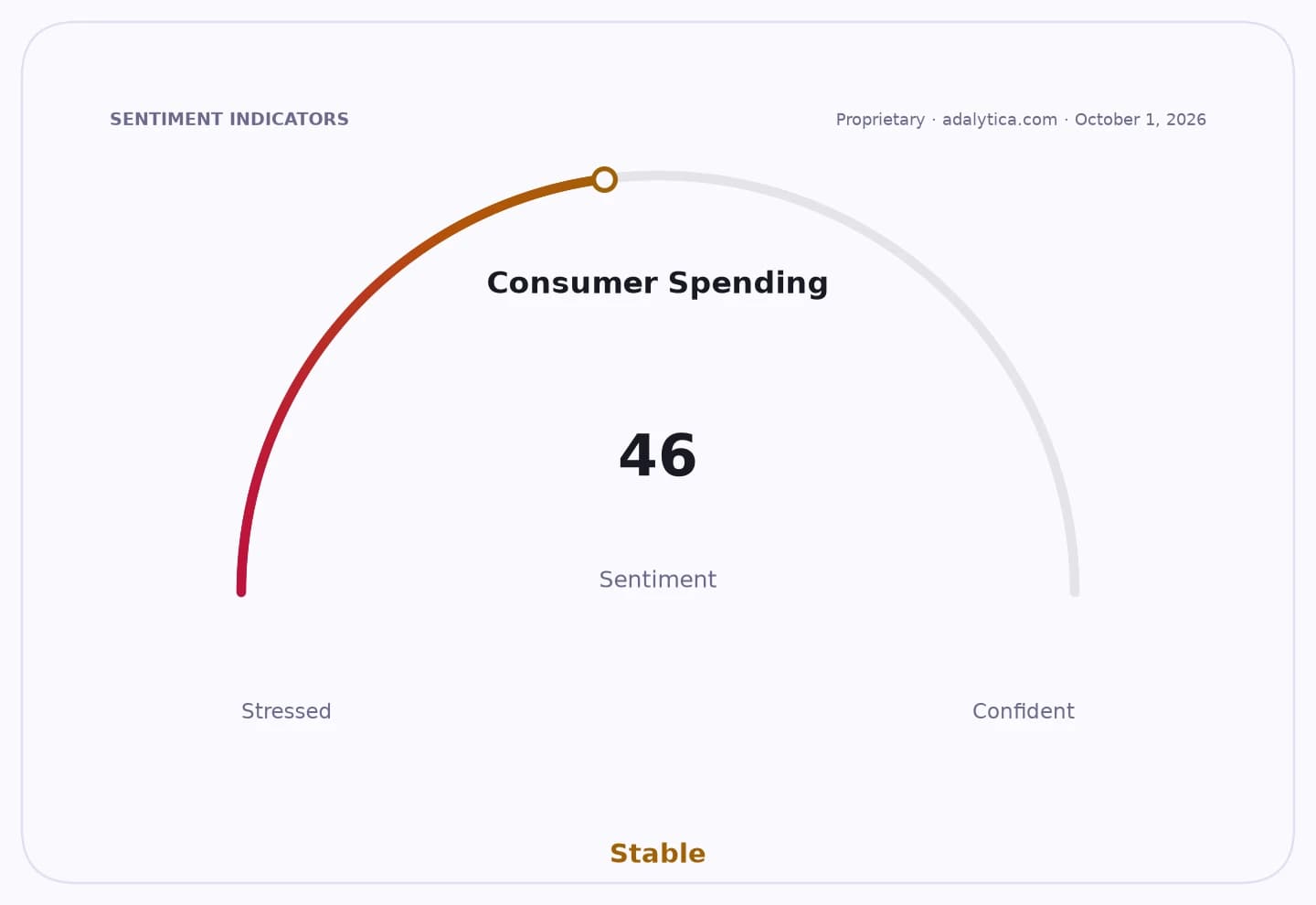
Investors may read this as another sign that consumer finance competition remains tied to high-frequency, everyday purchases rather than discretionary spending. The broader backdrop is a cautious consumer: Adalytica’s consumer spending sentiment gauge sits in neutral territory, while retail goods spending sentiment remains mixed, suggesting households are still budget-aware even as they keep buying staples.
For American Express shares, the near-term focus stays on whether its premium card mix, rewards economics and consumer credit quality can hold up as the company leans harder on spend-based loyalty. The stock closed at $323.61 on Oct. 21, above its 50-day moving average but below its 200-day average, with the relative strength index in overbought territory, leaving investors watching for confirmation that spending trends can stay resilient.
| Entity | Gains | Losses |
|---|---|---|
| American Express | ▲Higher card usage and fee revenue | ▼Squeezed if spending slows |
| Blue Cash Preferred holders | ▲Better rewards at $264+ monthly grocery spend | ▼Pay $95 annual fee |
| Blue Cash Everyday holders | ▲No annual fee, simpler value | ▼Lower return for heavy shoppers |
| Grocery retailers | ▲More card-linked spending | ▼Less if shoppers shift to warehouse clubs |