John Oliver’s 2016 purchase and erasure of nearly $15 million in medical debt for just $60,000 remains a powerful reminder that the U.S. health-care credit market is built on distress pricing, not true economic value.
Medical debt market and investor risks

The economics are stark: debt buyers can scoop up unpaid medical bills for pennies on the dollar, then collect enough from a fraction of borrowers to make the trade profitable. Oliver’s production team, via a shell debt-collection company, bought a portfolio with a face value of $14.9 million from Texas hospitals and then handed it to Undue Medical Debt, which wiped out the bills for roughly 9,000 people. That kind of discount is not a gimmick. It is the market functioning exactly as designed, and it exposes how fragile the balance sheets of many American households really are.
Sentiment IndicatorsⓘProprietary · adalytica.com · October 22, 2026
This is a snapshot — live sentiment, awareness and momentum for 130+ markets update continuously in the dashboard.Open AlphaPulse
For investors, the story matters because medical debt is a pressure point across the entire health-care ecosystem. Hospitals, insurers and collection firms all sit on top of a system where patients often cannot pay, and where a small secondary market has evolved to monetize that shortfall. The episode showed how cheaply those claims can change hands, but it also underscored the political and reputational risk around aggressive collections. In a market where public scrutiny is rising, the winners are increasingly those with scale, compliance muscle and the ability to manage bad debt without drawing heat.
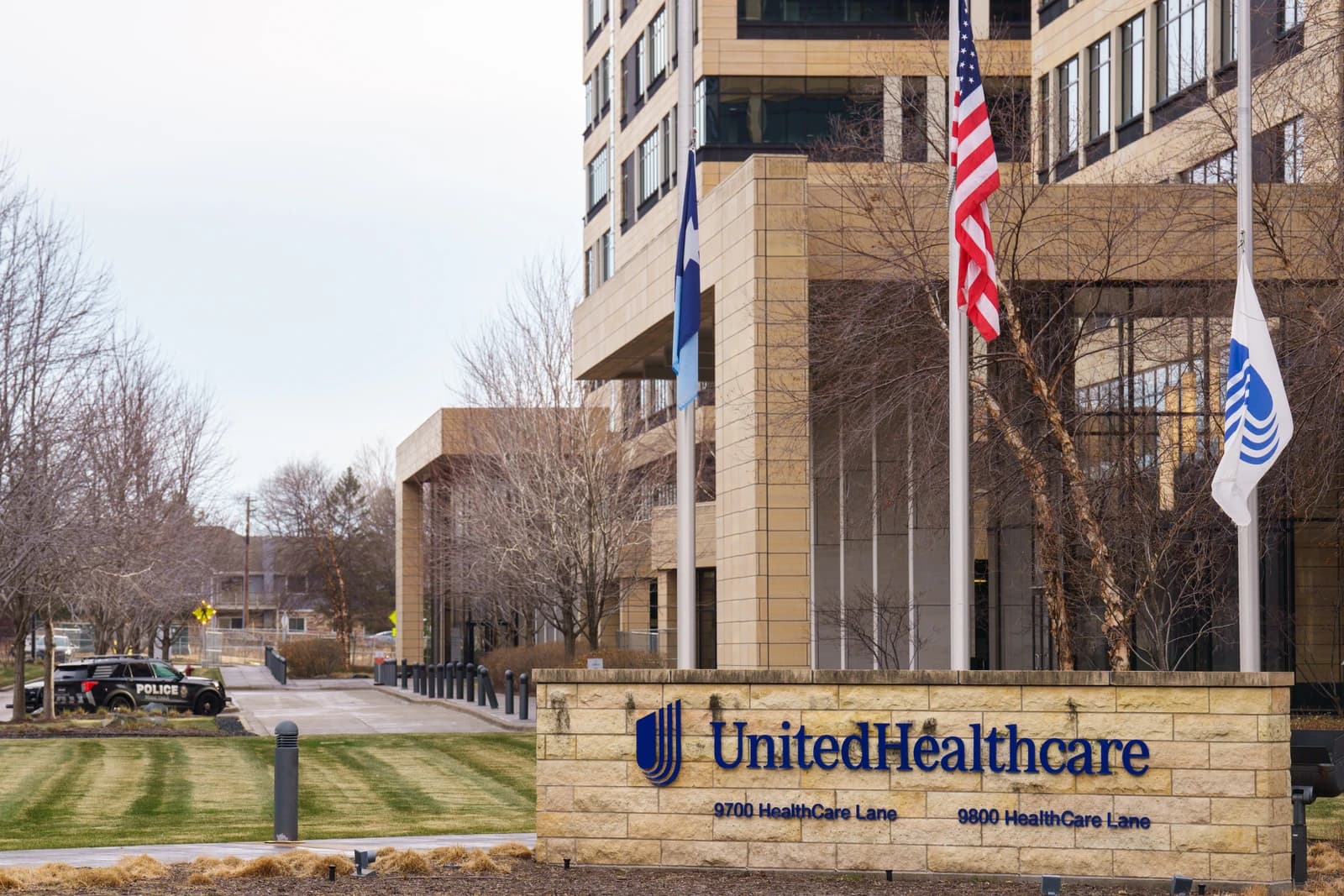
That dynamic helps explain why health-care names such as HCA, UnitedHealth and CVS remain so closely watched by investors even when the immediate story is not earnings. HCA’s shares have recovered sharply from this year’s lows, while UnitedHealth and CVS have also bounced from deep selloffs, reflecting a market that still believes large operators can navigate reimbursement pressure, cost inflation and consumer stress better than smaller players. But Oliver’s stunt is a reminder that the underlying demand for debt relief is not going away. If anything, the appetite for forgiveness is becoming more institutional, with governments and nonprofits now using the same debt-buying model to retire billions in obligations.
That is the real narrative here: medical debt is not just a social problem, it is a shadow asset class priced for failure. The market underestimates how durable the demand for relief could become, and that opens opportunities in the businesses that reduce friction, process claims and provide care efficiently — while increasing pressure on the weakest collection-heavy models. For investors, the takeaway is simple: follow the money in health care, but also follow the debt.
| Entity | Gains | Losses |
|---|---|---|
| Undue Medical Debt | ▲Cheaper debt relief | ▼Less visibility for collectors |
| Hospitals with bad debt | ▲Faster portfolio cleanup | ▼Lower recovery on receivables |
| Collection agencies | ▲Portfolio churn opportunities | ▼Political and reputational risk |
| Patients with medical bills | ▲Debt erased | ▼Credit stress avoided |