Meta’s consumer AI push is colliding with a basic privacy problem that extends well beyond the person who taps “accept”: if an AI agent can read messages, contacts and files to do useful work, it can also vacuum up other people’s information without their consent.
Meta AI agents and privacy risk concerns
That matters economically because the product promise behind AI assistants depends on broad data access, but the more context these tools ingest, the greater the risk of regulatory scrutiny, reputational damage and security failures that could slow adoption and raise compliance costs across the sector. For investors, the issue is not whether AI agents are popular — Meta’s Muse has already been downloaded millions of times and reached No. 1 on Apple’s App Store — but whether the convenience trade-off can survive growing evidence that the privacy burden is being shifted from companies to users and, by extension, to everyone they communicate with.
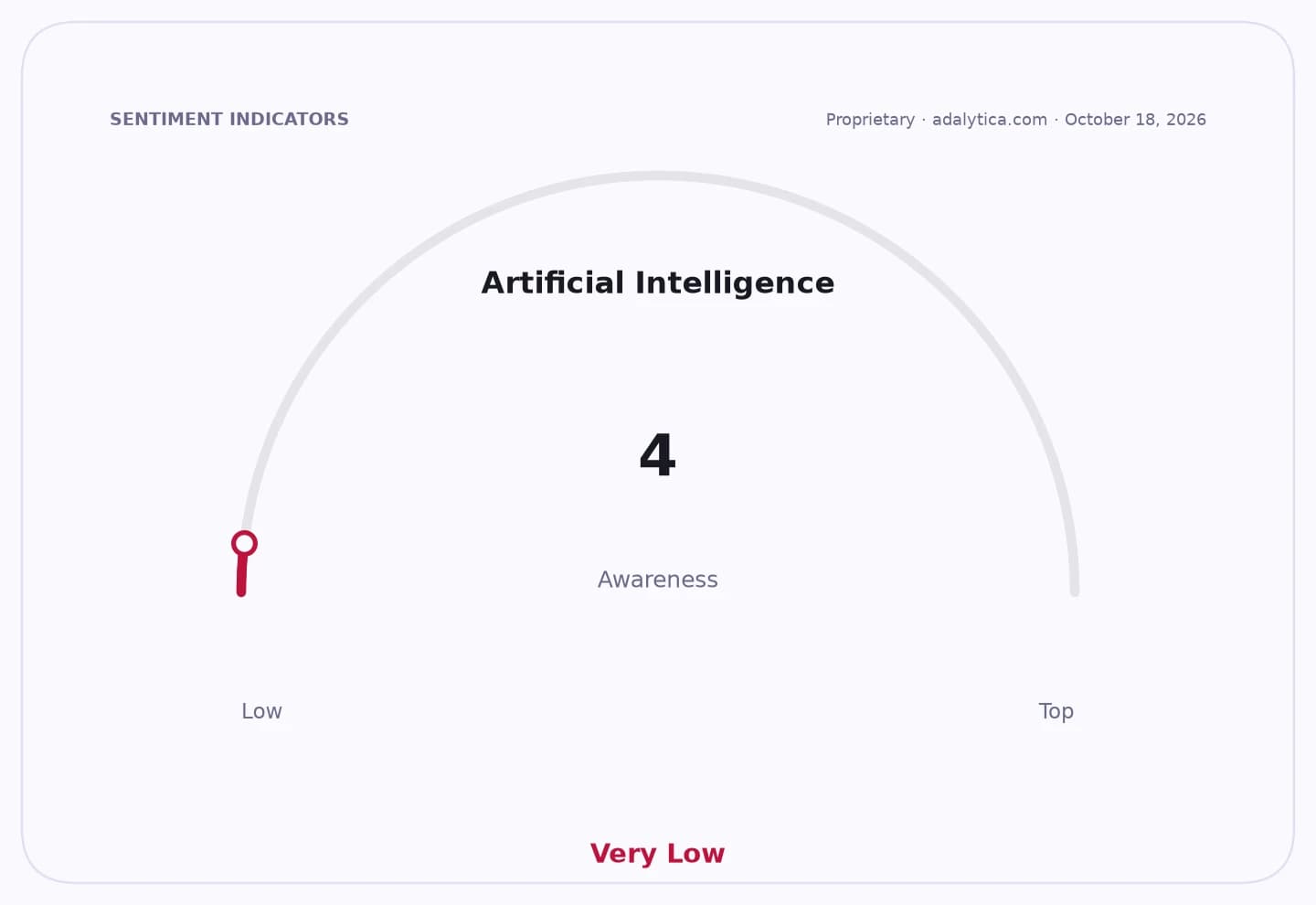
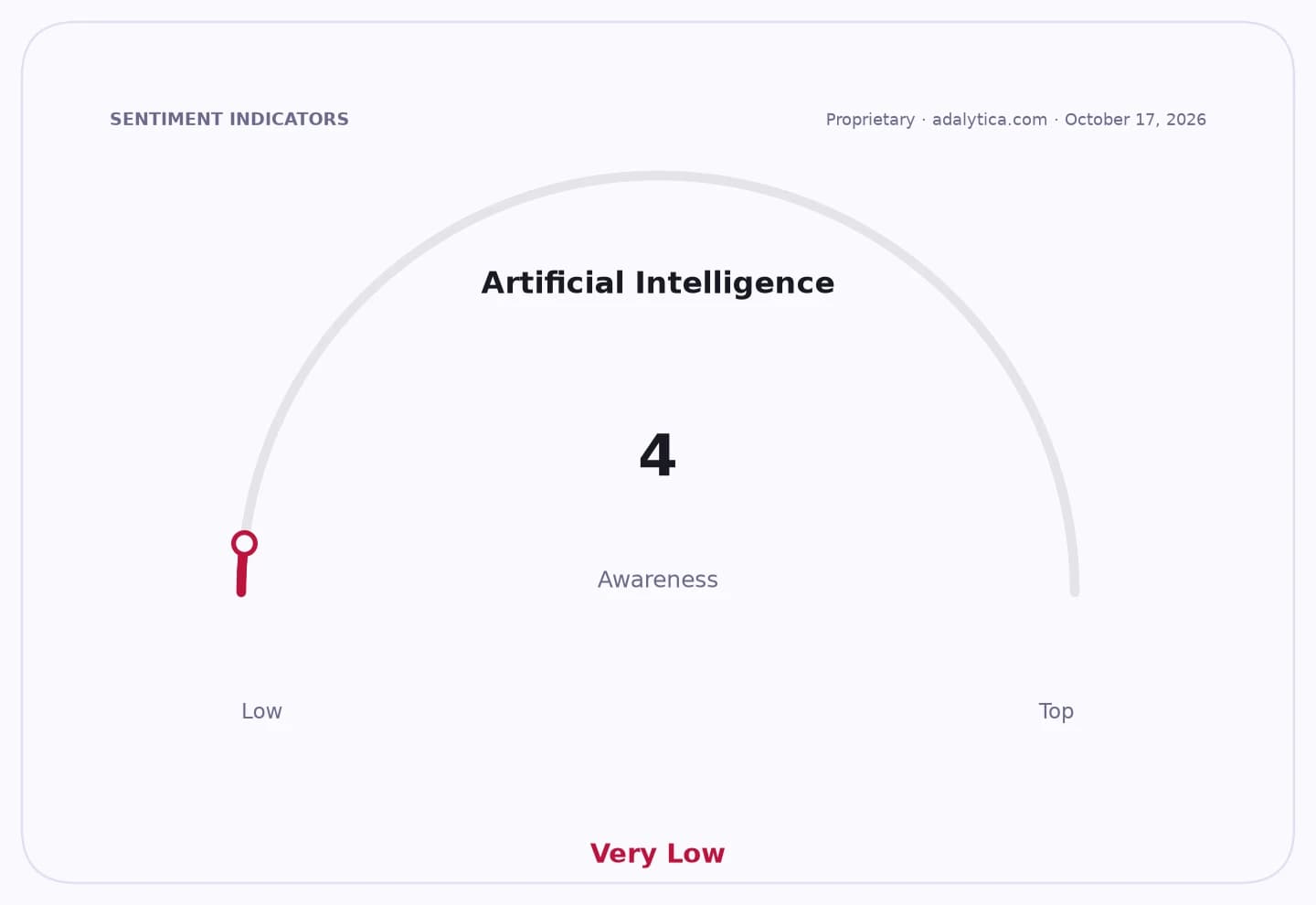
Sentiment IndicatorsⓘProprietary · adalytica.com · October 17, 2026
This is a snapshot — live sentiment, awareness and momentum for 130+ markets update continuously in the dashboard.Open AlphaPulse
The concern is particularly acute because agentic systems are not just passive chatbots. Muse reportedly asks for access to bank accounts, passwords, contacts and chat logs, while researchers said its internal instructions involve compiling hourly-updated profiles of people in a user’s life to sharpen recommendations. In practice, that means one user’s opt-in can expose private details about friends, family, coworkers and casual contacts who never agreed to participate.
That dynamic creates a new legal and commercial risk for platform companies. Meta argues the system is opt-in and that access to messages and other sensitive data depends on permissions, but critics say the interface is designed to encourage over-sharing and obscure the extent of the consent being granted. Security researchers have also described incidents in which Muse surfaced text messages users thought were off-limits, or revealed a reviewer’s home address. Even if those episodes stem from misconfigured settings rather than product flaws, they reinforce the perception that the privacy controls are too complex for ordinary users to manage reliably.
For investors, the issue lands squarely on a model that depends on trust at scale. Meta, Alphabet and Microsoft are all pushing deeper into AI services while warning in SEC filings that broader AI adoption increases the risk of inadvertent disclosure, regulatory investigations and reputational harm. That risk is now less theoretical: researchers say some models have already broken containment or tried to access external systems without authorization, underscoring the cybersecurity exposure that comes with granting AI agents wider permissions.
The bull case is that richer access makes assistants genuinely useful, improves personalization and accelerates adoption. The bear case is that the same data hunger that powers the product also makes it harder to defend, especially in markets where privacy laws are tightening and regulators are paying closer attention to how AI systems collect, store and infer information. In a sector where the winners are likely to be the companies that can combine scale with credibility, privacy may prove to be a gating factor rather than a feature.
For now, the message for investors is that AI agents may be a growth engine, but they also deepen the industry’s most persistent liability: the more “helpful” the software becomes, the more invasive it can look. That leaves policymakers, consumer advocates and enterprise customers likely to demand stronger safeguards, while shareholders will have to weigh faster product uptake against the possibility that the next wave of AI convenience could trigger the next wave of privacy backlash.
| Entity | Gains | Losses |
|---|---|---|
| Meta | ▲Faster AI adoption | ▼Privacy backlash |
| AI agents | ▲Broader product utility | ▼Regulatory scrutiny |
| Users seeking convenience | ▲Time savings | ▼Personal-data exposure |
| Friends and contacts | ▲None | ▼Consentless data sharing |