The Mexican peso fell nearly 1% against the dollar after the Bank of Mexico unexpectedly cut borrowing costs, a move that weakened one of the currency’s main supports: Mexico’s wide interest-rate premium over the United States.
Mexican Peso Falls After Banxico Rate Cut
The peso closed at 18.7499 per dollar, down 0.99% from 18.5669 in the previous session, after briefly touching 18.9641, its weakest level since August 2025. The selloff came after Banxico lowered its benchmark rate by 25 basis points to 6.25%, defying expectations that it would hold steady amid still-firm inflation and recent signs of slower growth.
For markets, the immediate issue is not just the cut itself but the message it sends about the path of Mexican policy. The peso has long benefited from carry-trade inflows, with global investors borrowing in lower-yielding currencies to buy Mexican assets that offered a materially higher return. By trimming rates, Banxico has reduced that spread at a time when the Federal Reserve still keeps U.S. rates in the 3.75% to 4% range, making peso holdings less attractive on a relative basis.
That matters economically because Mexico’s currency strength has helped cushion imported inflation, lower funding costs and support foreign demand for local bonds. A weaker peso can work in the opposite direction, raising the local-currency cost of imported goods and potentially complicating Banxico’s inflation fight even as it tries to support activity.
Banxico’s statement suggested the move may be a one-off and hinted at a prolonged pause ahead, which helped the peso recover from the day’s worst levels. Two policymakers voted against the cut, a sign the decision was not unanimous, while the central bank also pointed to softer domestic data, including a 1.8% drop in investment in August, the steepest decline since June 2025.
Still, traders focused on the narrowing yield cushion. One analyst said the premium that had drawn capital into peso assets had fallen to a historic low, with any further hawkish shift from the Fed likely to compress it further. That leaves the currency more exposed to shifts in U.S. rates, global risk appetite and whether Banxico can keep easing without reviving inflation pressure.
For investors, the cut is a reminder that the peso’s strong run is not guaranteed to be linear. A policy pivot that supports growth may also erode the currency’s carry appeal, forcing portfolio managers to weigh higher domestic activity against lower FX returns. In the near term, traders are watching whether the exchange rate can hold below 18.80, with technical support seen around 18.70 and 18.67; a sustained move above that zone would suggest the market is repricing Mexico’s policy premium more aggressively.
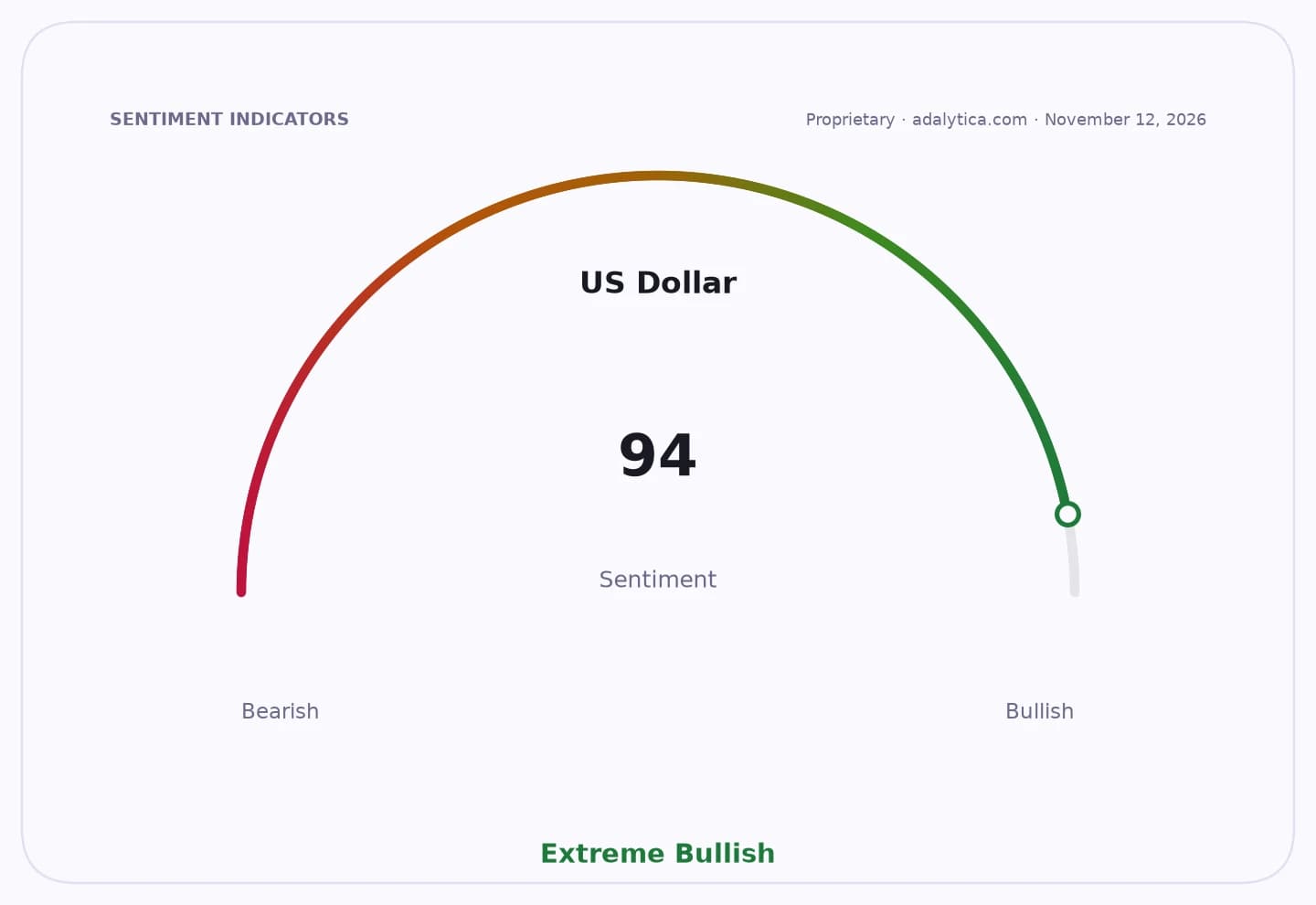
The broader narrative is that Banxico is shifting from a restrictive stance toward a more neutral one while the Fed remains restrictive enough to keep the dollar supported. That combination has already put pressure on the peso, and it raises the stakes for upcoming inflation and activity data, which will determine whether this was a tactical cut or the start of a deeper easing cycle.
| Entity | Gains | Losses |
|---|---|---|
| Mexican borrowers | ▲Lower financing costs | ▼Less currency support |
| Banxico | ▲More policy flexibility | ▼Credibility test on inflation |
| Peso bulls | ▲Temporary pause signal | ▼Weaker carry trade appeal |
| Dollar holders / short-peso traders | ▲Higher FX returns | ▼Risk of volatility if Banxico pauses |