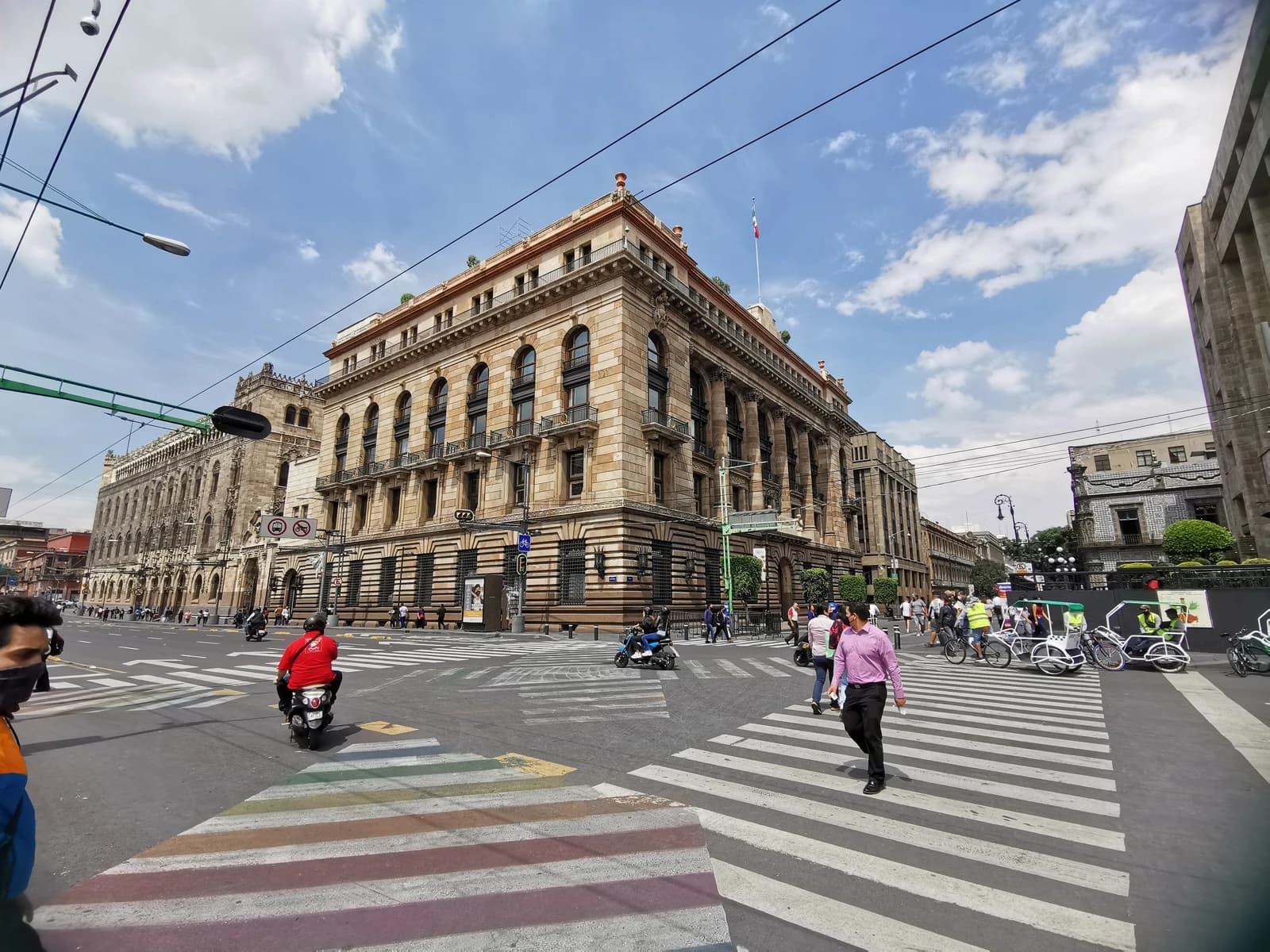
Latin American assets advanced as investors moved back into the region’s riskier currencies and stocks, with the Mexican peso recovering after a recent decline, while U.S. bond yields and credit spreads stayed broadly stable enough to keep the carry trade attractive.
Mexico peso rebounds as Latin America assets rise
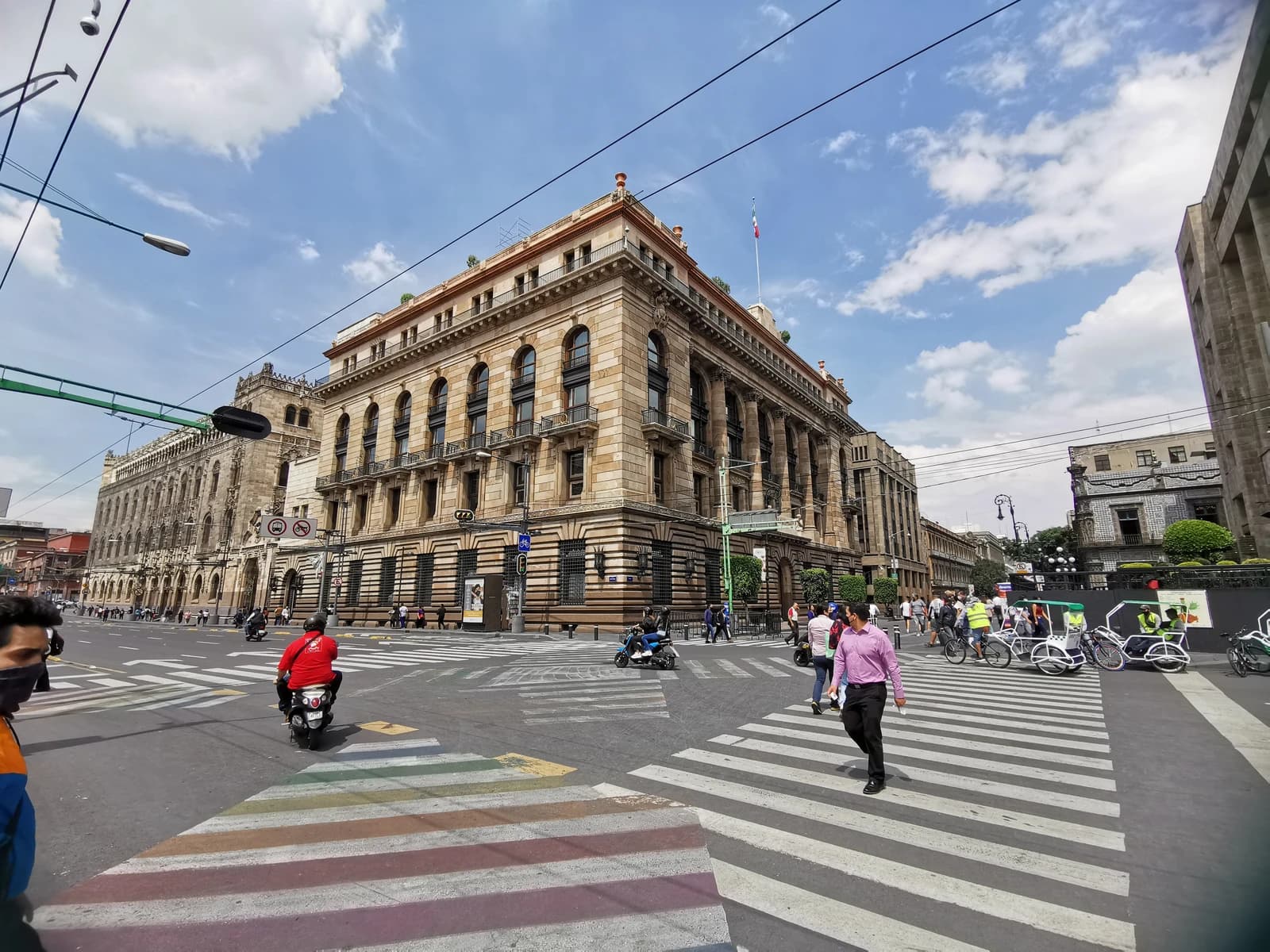
The rebound matters because Latin America’s markets are still trading as a high-beta expression of global liquidity, Federal Reserve expectations and domestic policy credibility. When Treasury yields are anchored near 4.8% and U.S. high-yield credit spreads sit around 3.3 percentage points, investors can tolerate emerging-market volatility so long as rate differentials remain wide and central banks do not shock the market. That backdrop helps explain why capital has continued to rotate into local-currency assets despite periodic political noise across the region.
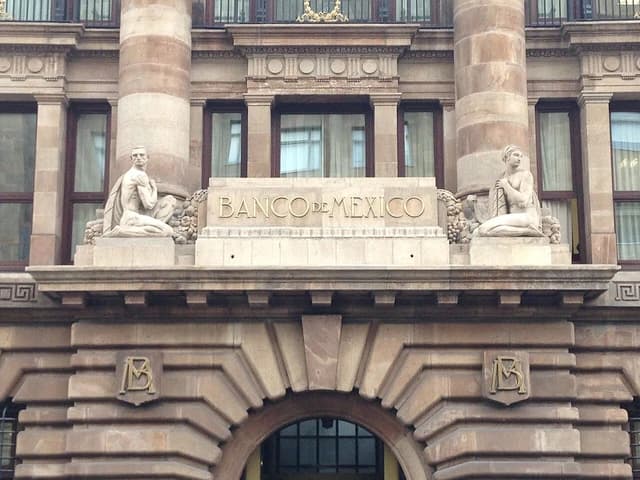
Mexico remains the key pressure point. The peso’s decline had been driven by investors reassessing how much easing Banxico can deliver without eroding the currency’s carry advantage. The latest bounce suggests the market is not yet willing to price in a sustained breakdown in policy credibility, especially with Mexico still offering one of the region’s more liquid and widely held sovereign markets. For global funds, that makes the peso both a preferred funding currency and a first-line gauge of emerging-market sentiment.
Equity investors are reading the move more cautiously. The iShares MSCI Mexico ETF, EWW, has recovered to about $77.71, near its recent highs and above its 50-day average, with RSI readings in the high 60s and the MACD turning positive, signs of short-term momentum rather than a broad macro re-rating. Brazil’s EWZ, by contrast, has been far more volatile, sliding to about $32.44 from above $42 in late October and leaving its RSI deeply oversold. That divergence points to market differentiation rather than a blanket bet on Latin America.
The regional backdrop is mixed. Political upheaval in Paraguay, including the fallout from a banking crisis, underscores how quickly local instability can hit asset prices and alliance structures. But investors are still responding primarily to macro fundamentals: relatively high nominal yields, still-manageable credit conditions and the prospect that central banks in the region can cut without triggering disorderly currency weakness.
For now, the message from markets is that Latin America remains investable, but selectively so. Mexico is benefiting from its liquidity and rate advantage, while Brazil’s deeper selloff shows how quickly sentiment can turn when investors question policy or growth prospects. The next catalyst will be whether Banxico can ease without reviving peso pressure, and whether broader risk appetite holds as U.S. rates and credit conditions remain stable.
| Entity | Gains | Losses |
|---|---|---|
| Mexican peso | ▲Rebounds on carry appeal | ▼Bears betting on deeper Banxico cuts |
| Mexican equities/EWW | ▲Momentum and inflows | ▼Investors seeking defensive exposure |
| Brazilian equities/EWZ | ▲Potential value buyers if oversold snapback | ▼Holders facing sharp drawdown |
| Latin American carry trade | ▲Supported by wide rate spreads | ▼Vulnerable to U.S. yield spikes |