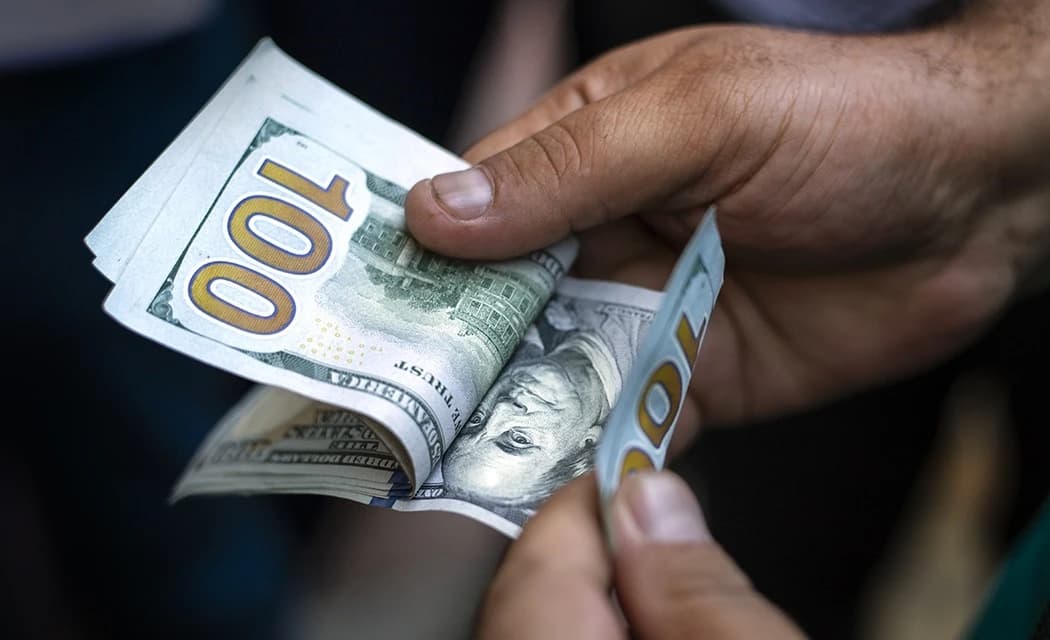
The Mexican peso slid to its weakest level in more than a year on Wednesday, breaking above 18.50 per dollar as investors priced in a narrower policy cushion versus the US and braced for fresh inflation data that could shape Banxico’s next move.
Mexican peso falls below 18.50 per dollar
That matters because Mexico’s currency has been one of the clearest beneficiaries of yield carry in emerging markets, and that trade is now under pressure. The peso’s drop to 18.72 intraday, its softest level since November, underscores how quickly sentiment can reverse when the market starts to doubt how long Mexico can keep rates high relative to the Federal Reserve.
By late trade, the peso was at 18.67 per dollar, down 1.4% and the worst performer in a basket of reference currencies. The move came ahead of Thursday’s consumer price report, which could either reinforce Banxico’s current hold-or-hike stance or strengthen the case for cuts if inflation cools more than expected.
The central bank is already sending mixed signals. Minutes from Banxico’s latest meeting showed two of its three members would be open to lowering the key rate if inflation pressures ease, while a Citi survey this week showed the market sees rates unchanged until late 2027. That gap is exactly where the trade gets dangerous for investors: if rate-cut expectations shift lower while the Federal Reserve stays tight, the peso loses one of its main supports.
Trade uncertainty with the United States is adding another layer of risk. For a currency that has been buoyed by nearshoring inflows and Mexico’s reputation as a relative safe haven in Latin America, any deterioration in the US-Mexico commercial outlook can trigger outsized FX moves. The fact that the peso is weakening even as Mexican equities hit their highest close since April suggests foreign exchange investors are far more nervous than stock buyers.
That divergence is important. The S&P/BMV IPC rose 1.43% to 70,249.54, extending a five-session rally on upbeat local earnings and a strong Wall Street backdrop, while the government’s 10-year bond yield fell 4 basis points to 9.28%. In other words, domestic assets are still attracting interest, but the currency is warning that macro stability is not being taken for granted.
For investors, the key takeaway is that the peso’s slump is not just a short-term headline move. It is a reminder that Mexico’s carry advantage is vulnerable to US data, Banxico’s reaction function and trade politics all at once. If Thursday’s inflation reading comes in soft and the Fed stays hawkish, pressure on the peso could deepen and force a repricing across Mexican bonds, ETFs such as EWW, and exporters with dollar revenues.
Our view is that this is the kind of setup markets tend to underprice until it is already obvious: a still-solid Mexican equity market, but a currency market that is starting to question the next leg of the macro story. For now, the better opportunity may be in names and funds that benefit from a weaker peso, not those exposed to a complacent assumption that the carry trade will keep working.
| Entity | Gains | Losses |
|---|---|---|
| US exporters to Mexico | ▲More price competitiveness | ▼None |
| Mexican importers | ▲None | ▼Higher dollar costs |
| Banxico hawks | ▲Higher rates support currency | ▼Pressure to ease less |
| Peso shorts / dollar longs | ▲FX momentum | ▼Volatility risk |