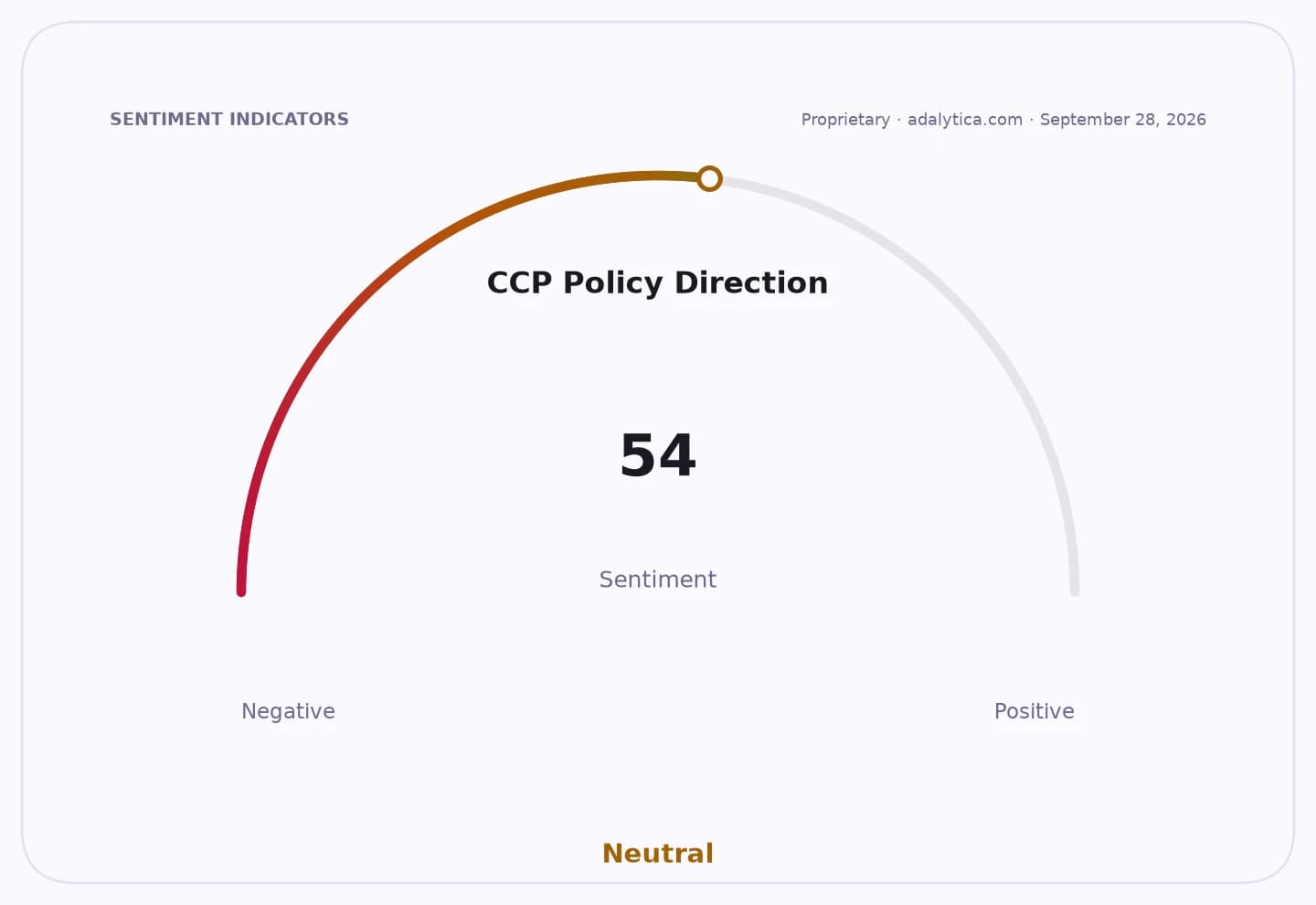
Mexico’s peso has slid back to 18 per dollar, and the move matters because it tells investors that domestic resilience is being tested just as trade negotiations with Washington, school violence and storm damage collide with a still-fragile macro backdrop.
Mexico peso falls to 18 as trade talks continue
The currency’s retreat from a month high of 16.89 on Sept. 4 to 18.16 by Friday marks a 6.2% reversal in just weeks, erasing much of the peso’s short-term strength and bringing it back toward a level that had looked more like a floor than a ceiling. That matters economically because a weaker peso can support exporters at the margin, but it also raises the cost of imports, complicates inflation management and reduces the room for Banxico to ease aggressively.
The timing is especially important. Mexico’s government is trying to project calm and momentum: Economy Minister Marcelo Ebrard says trade talks with the U.S. are “getting closer every day,” with tariff relief on autos, steel, aluminum and copper still the key prize. For investors, that makes the peso more than a currency trade — it is a live referendum on whether Mexico can preserve its nearshoring advantage while avoiding a harsher tariff regime from Washington.
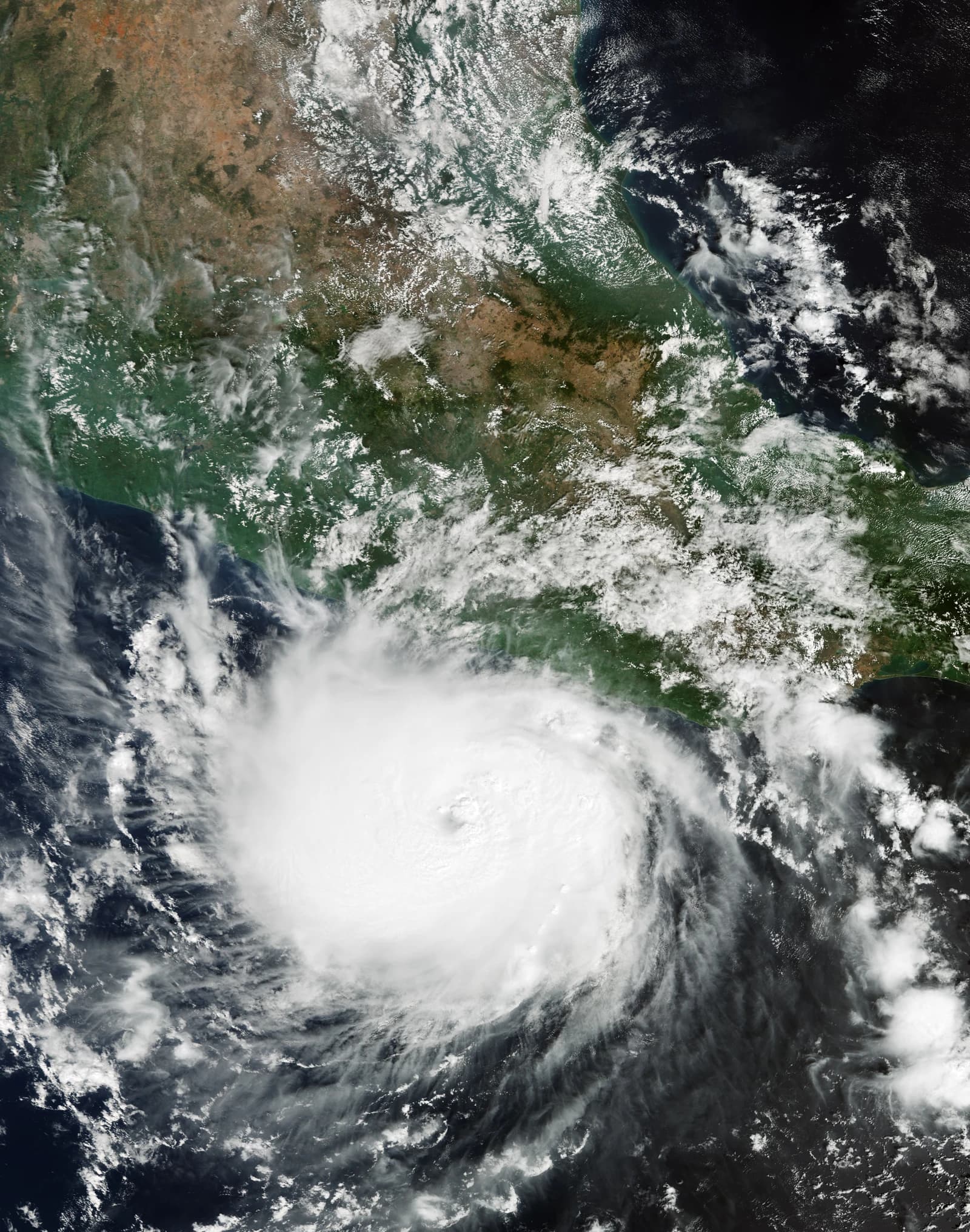
The market has also been forced to absorb a more uneasy domestic picture. A brutal school attack in Torreón and the killing of two students in Morelos underscored the security risks that keep hanging over Mexico’s investment case, while Hurricane Polo added another reminder that infrastructure, tourism and local government budgets remain vulnerable to climate shocks. None of that is as immediately market-moving as U.S. rates or trade policy, but together they reinforce a risk premium that currency traders cannot ignore.
Technically, the peso’s retreat fits a market that had become stretched. The MND Peso Index showed the currency as 5.8% overvalued in early September, and the recent move has largely closed that gap. In plain terms, the peso’s pullback is not just panic; it is a correction toward fairer value after a strong run. Still, with the Federal Reserve firmer and the U.S.-Mexico tariff backdrop unresolved, the easy money in the trade may already be gone.
Mexico’s equity story is similarly mixed. The iShares MSCI Mexico ETF, EWW, dropped toward the low $70s this week and has lost altitude even as the country’s export numbers impress. That split tells you exactly where the opportunity lies: not in chasing broad Mexico beta blindly, but in focusing on companies that can turn currency volatility, trade realignment and rising North American industrial demand into durable earnings.
My view is that the market is underestimating the second-order winners from this environment. Exporters tied to U.S. supply chains, logistics players, select industrial names and dollar earners can still benefit if trade talks preserve Mexico’s preferential access. But domestic consumer and import-heavy businesses will feel the pinch first if the peso keeps weakening and inflation expectations stop falling.
The real catalyst now is not whether the peso briefly trades at 17.80 or 18.20. It is whether Mexico can secure tariff relief, keep nearshoring flows intact and prevent security setbacks from turning into a broader confidence shock. If Ebrard gets even a partial win on autos and metals, the peso and Mexican equities could re-rate fast. If not, the current move in the currency may be the beginning of a more persistent repricing of Mexico risk.
| Entity | Gains | Losses |
|---|---|---|
| Mexican exporters | ▲Better peso translation | ▼Higher imported input costs |
| U.S.-Mexico trade negotiators | ▲More leverage for a deal | ▼More pressure if talks stall |
| Dollar earners in Mexico | ▲Revenue hedge | ▼Domestic-focused retailers |
| EWW / Mexican equities buyers | ▲Entry after pullback | ▼Broad Mexico beta holders |