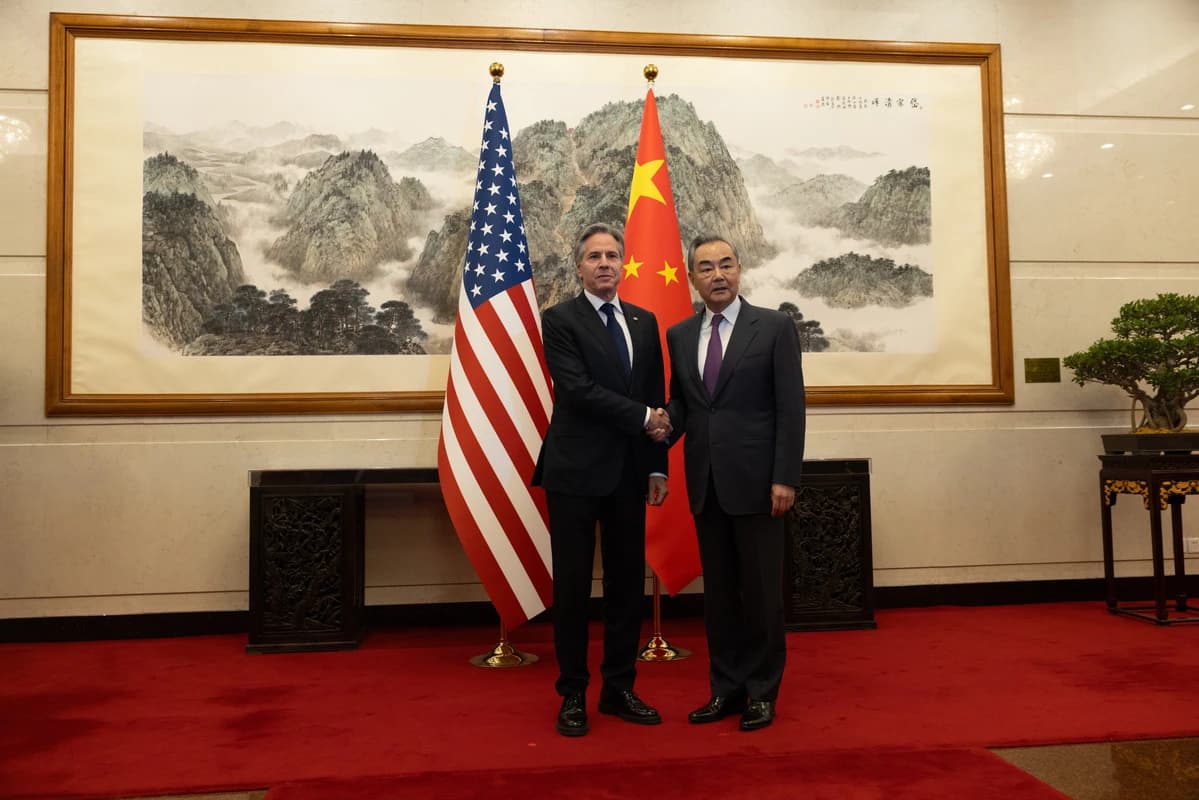
Claudia Sheinbaum’s planned trip to China in November for the APEC summit comes as Mexico tries to balance deeper engagement with Beijing against a sensitive trade negotiation with Washington.
Mexico-China APEC trip raises US trade scrutiny
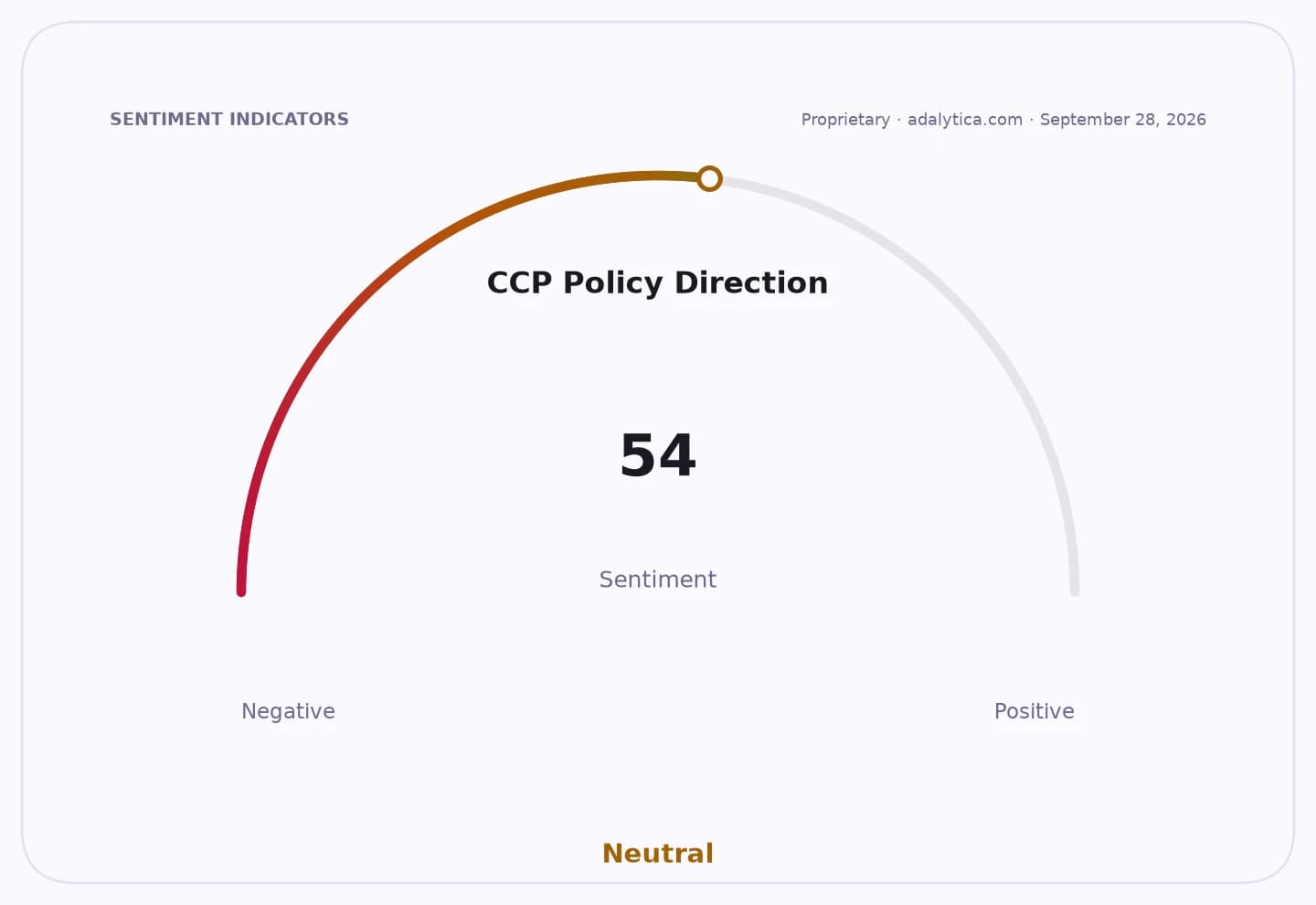
The visit matters less as a ceremonial appearance than as a signal of how Mexico is positioning itself in the escalating US-China contest for influence in Latin America. With Mexico set to host APEC in 2028, Sheinbaum said she will attend this year’s forum in China to receive the rotating chairmanship, giving her government a high-profile platform at a moment when trade, supply chains and industrial policy are increasingly intertwined.
That timing is politically and economically delicate. Mexico remains heavily exposed to the United States through exports, investment and supply-chain integration, but it has also become a more important commercial destination for Chinese goods and capital. Any move seen as tilting too far toward Beijing could complicate talks with US officials on trade, tariffs and industrial rules, while a more cautious approach may limit Mexico’s room to diversify suppliers and attract Asian investment.
Investors are watching the trip because Mexico’s role as a manufacturing hub depends on stable access to US markets and on efficient sourcing of intermediate goods from Asia. The country’s industrial base, especially in sectors such as autos, electronics and metalworking, has benefited from nearshoring, but it also faces pressure from energy, water and logistics bottlenecks. Heightened friction between Washington and Beijing can affect where companies place factories, how they structure procurement and whether Mexico is seen as a neutral bridge or a battleground in the trade war.
The broader backdrop is one of sharper geopolitical competition. Beijing’s restrictions on chemical precursors critical to the US, Mexico and Canada have underscored how trade policy can quickly spill into industrial supply chains across North America. At the same time, the US has grown more vigilant about Chinese involvement in the region, raising the stakes for any Latin American government trying to preserve ties with both powers.
For Mexico, the APEC trip offers diplomatic upside: it reinforces its claim to be a central Pacific-facing economy and gives Sheinbaum a venue to deepen commercial links ahead of hosting the forum in 2028. But it also increases scrutiny over how far her government is willing to go in courting China without jeopardizing its largest economic relationship. The market implication is straightforward: any sign Mexico can keep both channels open would support the nearshoring story; any hint of misalignment with Washington would revive policy risk for exporters and foreign investors.
| Entity | Gains | Losses |
|---|---|---|
| Mexico | ▲APEC visibility | ▼Policy scrutiny |
| Sheinbaum government | ▲Diplomatic leverage | ▼Trade friction risk |
| US exporters/companies | ▲Stable Mexico ties | ▼China-linked competition |
| Chinese firms | ▲Access narrative | ▼US pressure |