The Mexican peso slipped against the dollar on Thursday after hotter-than-expected local inflation reinforced bets that Banco de México will keep rates unchanged later in the day, even as the currency remains exposed to a stronger greenback and a narrower policy cushion versus the U.S.
Mexican Peso Falls on Hotter Inflation Before Banxico

The peso was last at 17.5350 per dollar, down 0.14% from Wednesday’s Banxico close of 17.5112, after trading between 17.2964 and 17.6056. The move is modest, but it matters because the currency has been one of emerging markets’ most closely watched interest-rate trades, and any sign that Banxico is nearing the end of its easing flexibility can quickly reshape flows.
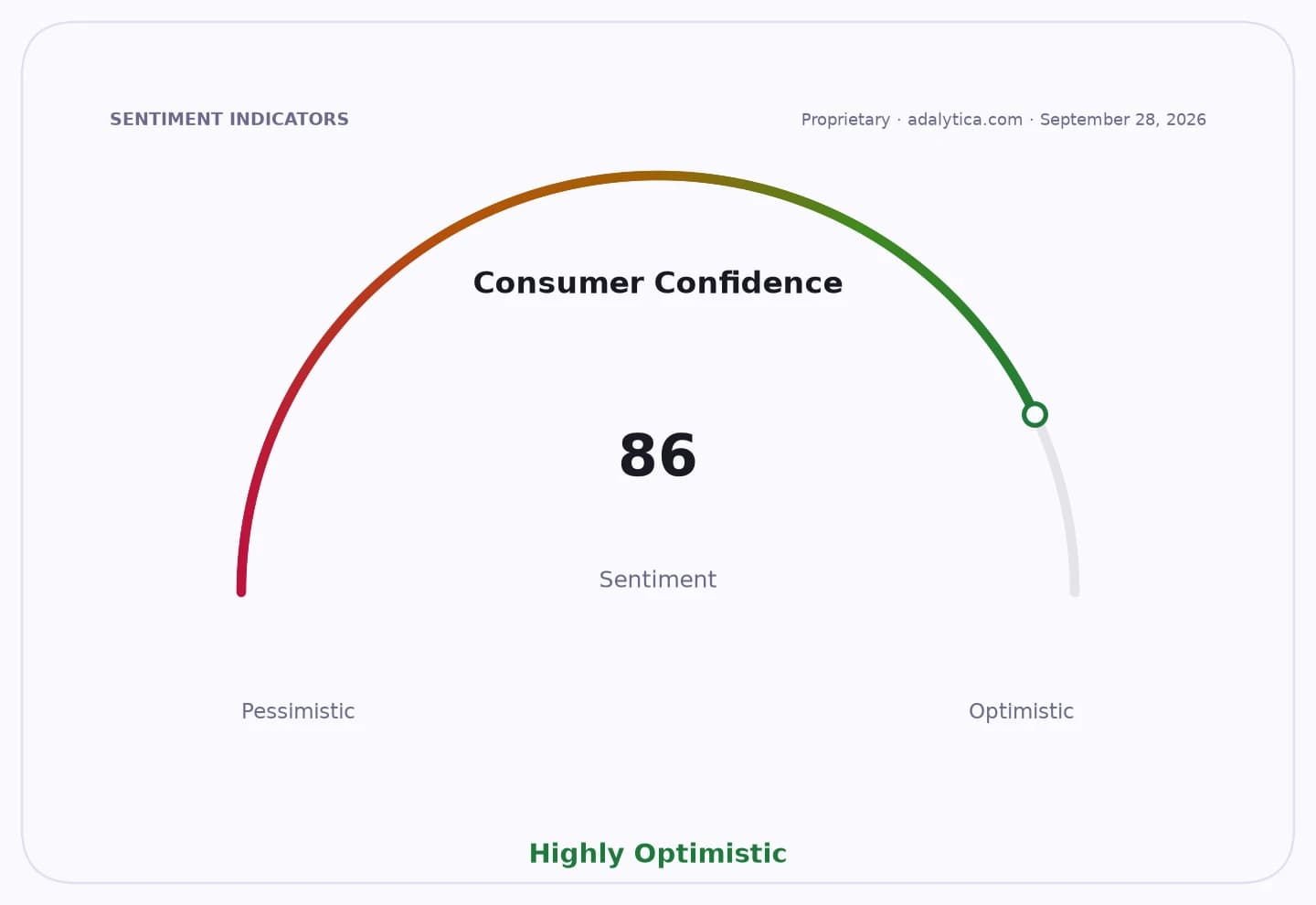
Mexico’s consumer price index rose 3.42% in the first half of September, above forecasts, while core inflation eased for a third straight fortnight to 3.79%, its lowest since early 2025. That combination leaves Banxico in a familiar bind: headline price pressure is still sticky enough to justify caution, but the underlying trend is soft enough to keep the market focused on the wording of the statement rather than the rate decision itself.
The key rate is widely expected to stay at 6.50%, with traders instead parsing whether policymakers sound comfortable with the recent disinflation trend or signal that external risks and the peso’s sensitivity to the dollar are still keeping them on guard. The Federal Reserve’s quarter-point move last week has already trimmed the rate advantage that supported the peso, making Banxico’s forward guidance more important for carry investors.
That backdrop helps explain why the peso is reacting even before the announcement. A stronger dollar index, up 0.14% at 101.27, is pressuring most peers, while the market is also watching the broader trade and growth implications of the expected Trump-Xi meeting. For Mexico, the immediate story is simple: inflation has delayed any easy path for Banxico, and that means the peso’s next move is likely to be driven as much by policy language as by the rate itself.
For investors, the setup favors selectivity. A steady Banxico keeps Mexico attractive relative to other large emerging markets, but the margin for error is shrinking. If the central bank sounds more cautious on inflation or the exchange rate, the peso could give back more ground; if it preserves a hawkish bias, the currency may stabilize, but the days of effortless carry look more vulnerable after the Fed’s move. The takeaway: watch Banxico’s tone closely, because that is where the next major FX move is likely to be priced.
| Entity | Gains | Losses |
|---|---|---|
| Banxico | ▲Policy flexibility | ▼Pressure to ease |
| Mexican peso bears | ▲Higher dollar tailwind | ▼Near-term rebound |
| Carry traders | ▲Higher local rates | ▼Narrower rate spread |
| U.S. dollar | ▲Broad FX support | ▼None on the day |