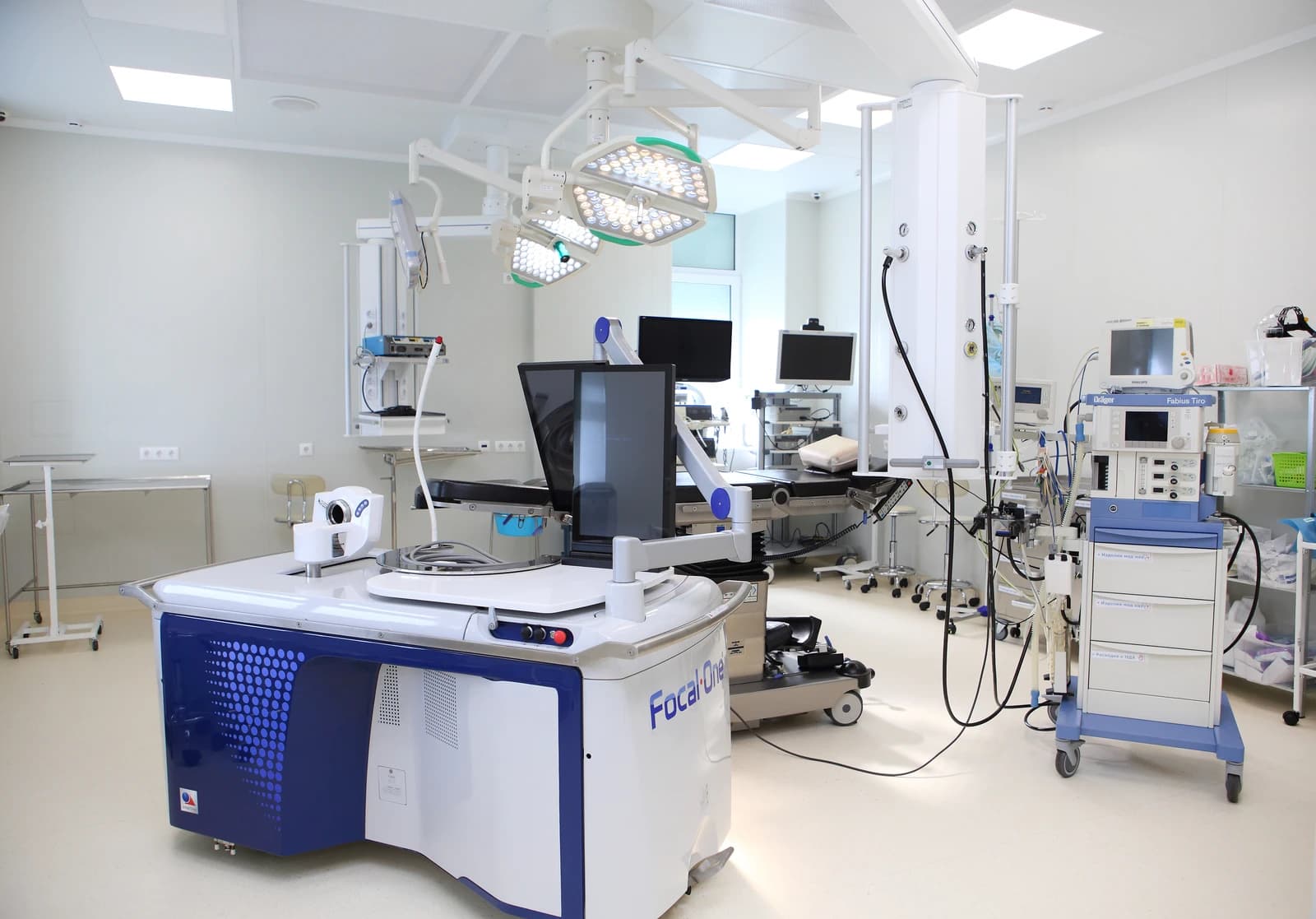
Mexico’s COFEPRIS is becoming a gatekeeper for one of the market’s fastest-growing regulatory battlegrounds: artificial intelligence in medical devices, and that matters because the way regulators classify AI will determine how quickly manufacturers can sell it, how much compliance costs will rise and which MedTech names can scale across Latin America.
Mexico COFEPRIS AI medical device rules

For investors, this is not a narrow paperwork issue. AI-enabled diagnostics, surgical systems and clinical decision tools are moving from pilot projects to revenue lines, but every jurisdiction is writing its own playbook on what counts as software, what counts as a medical device and what must be proven before approval. COFEPRIS classification will help decide whether AI products face a streamlined software-style review or a heavier device regime, shaping time to market and margin structure for global manufacturers and local distributors alike.
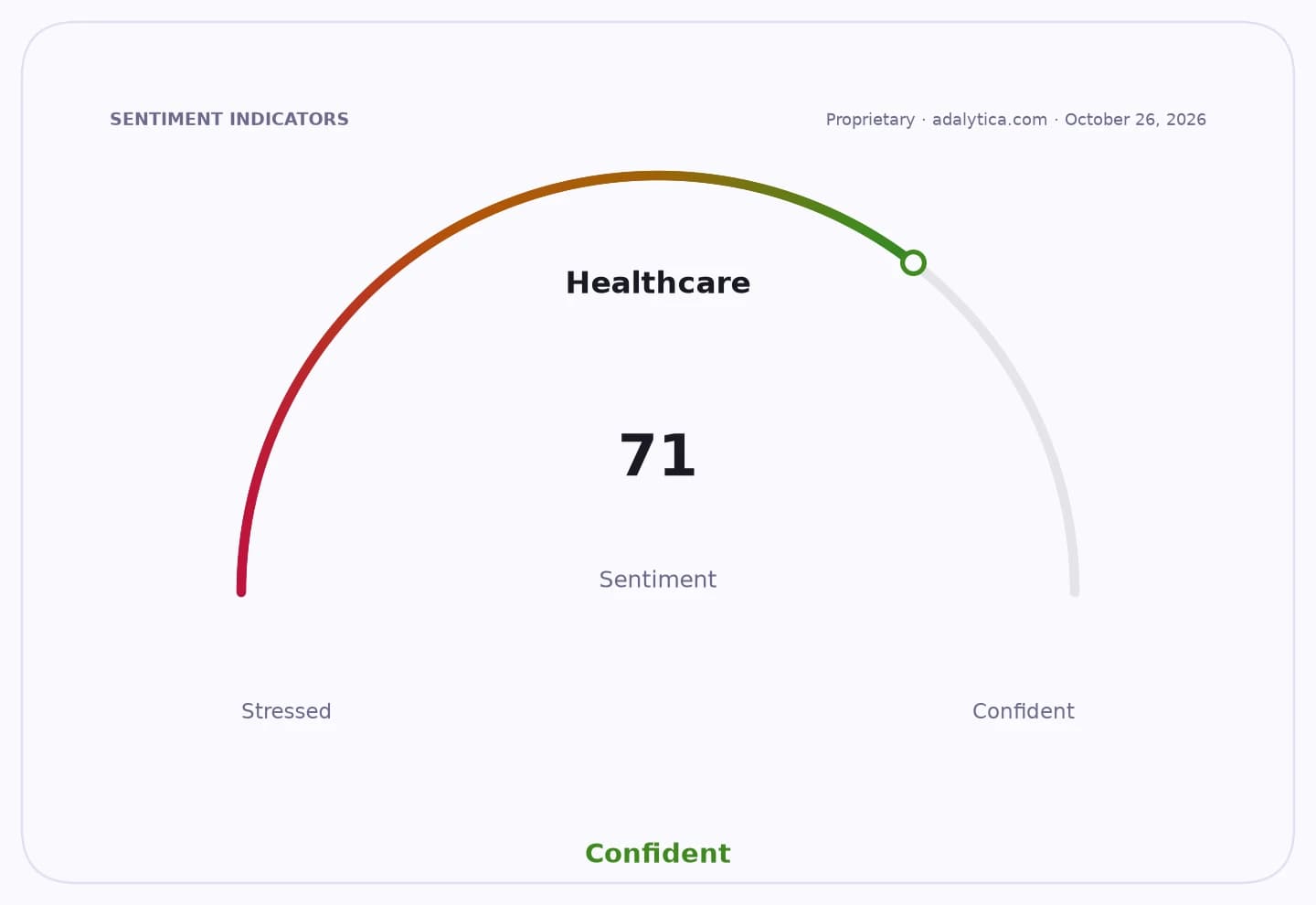
Sentiment Indicators
That makes Mexico strategically important. It is one of the largest healthcare markets in Latin America and often serves as a regional reference point for approvals, imports and commercial expansion. A clear framework from COFEPRIS could accelerate adoption of AI-based systems from global leaders such as Intuitive Surgical and Boston Scientific’s broader device ecosystem, while also giving hospitals and insurers more confidence in procurement. A slower, stricter interpretation would favor incumbent platforms with deep regulatory experience and punish smaller developers that lack the resources to navigate multi-country filings.
The stakes go well beyond one country’s rulebook. AI is already reshaping medtech investment, from Amazon’s Bedrock-style platformization of software development to the push by device makers to embed AI into imaging, navigation and automation. The economics are attractive: software-driven features can deepen product stickiness, raise switching costs and expand recurring revenue, but only if regulators define the product category in a way that supports commercialization. A fragmented global regime would create delay, duplication and higher compliance spend; a harmonized one would open a faster path for scale.
The market is also beginning to price in that regulatory divide. Intuitive Surgical’s shares have rebounded sharply, climbing to $482.10 in the latest session after a volatile year, while Boston Scientific has steadied near $45.82 after a deep drawdown. Those moves reflect renewed investor appetite for high-quality medtech franchises, but the next leg of performance will increasingly depend on who can convert AI capability into approved, reimbursable products. Companies with established quality systems, regulatory muscle and installed hospital relationships are best positioned to win.
Adalytica.com’s AI sentiment reading has also collapsed to “Extreme Fear,” underscoring how fragile investor confidence remains even as the long-term thesis improves. That disconnect is exactly where opportunity often emerges: when sentiment is washed out, but regulatory and commercial catalysts are lining up underneath.
My view is that COFEPRIS-style classification questions are a hidden early signal for the next wave of medtech winners. If Mexico takes a pragmatic path, it could become a launchpad for AI-enabled devices across the region and support a rerating for the best-capitalized names in surgical robotics, diagnostics and connected care. If regulators move slowly, the winners will still be the same balance-sheet-strong incumbents — only with a wider moat.
For investors, the takeaway is simple: own the medtech companies that can clear regulators, not just demo AI. In this market, approval frameworks are becoming as important as algorithms.
| Entity | Gains | Losses |
|---|---|---|
| Large MedTech incumbents | ▲Faster regional scale | ▼Smaller AI device startups |
| COFEPRIS clarity | ▲Better oversight credibility | ▼Regulatory ambiguity |
| Hospitals and buyers | ▲More reliable procurement | ▼Unvetted software risk |
| Intuitive Surgical / Boston Scientific | ▲AI commercialization runway | ▼Delayed approvals |