Mexico is leaning harder on its longer-dated bond market, a move that should help lock in funding before volatility in global rates and the peso makes borrowing more expensive.
Mexico raises longer-dated bond auction sizes

The finance ministry said it will increase auction sizes for 5-year and 20-year Bonos, along with 20-year and 30-year inflation-linked Udibonos, in the fourth quarter of 2026. It will also lift the frequency of 20-year Bono auctions and 10-year and 20-year Udibonos, while trimming 3-year Bonos and leaving 10- and 30-year sales unchanged.
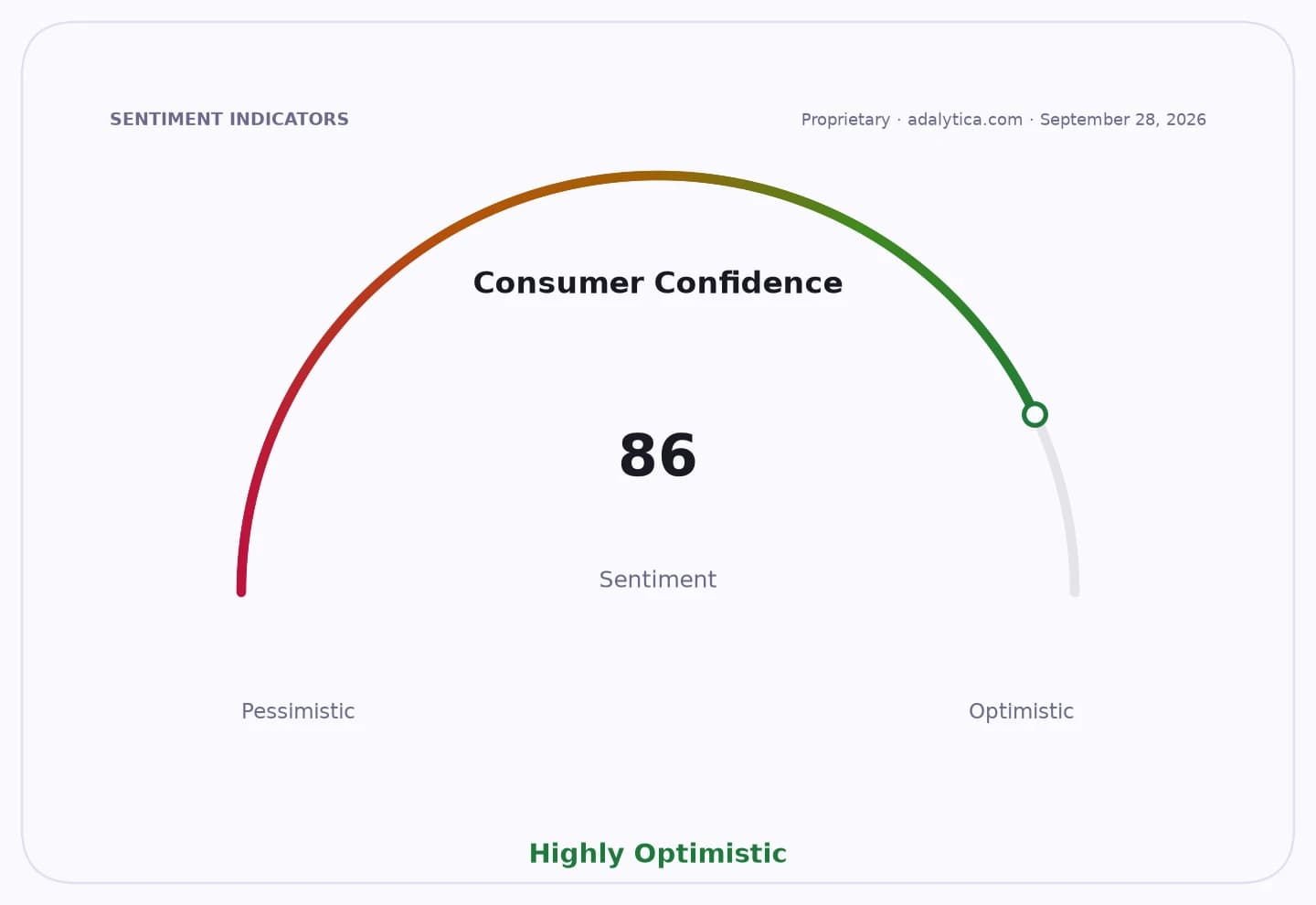
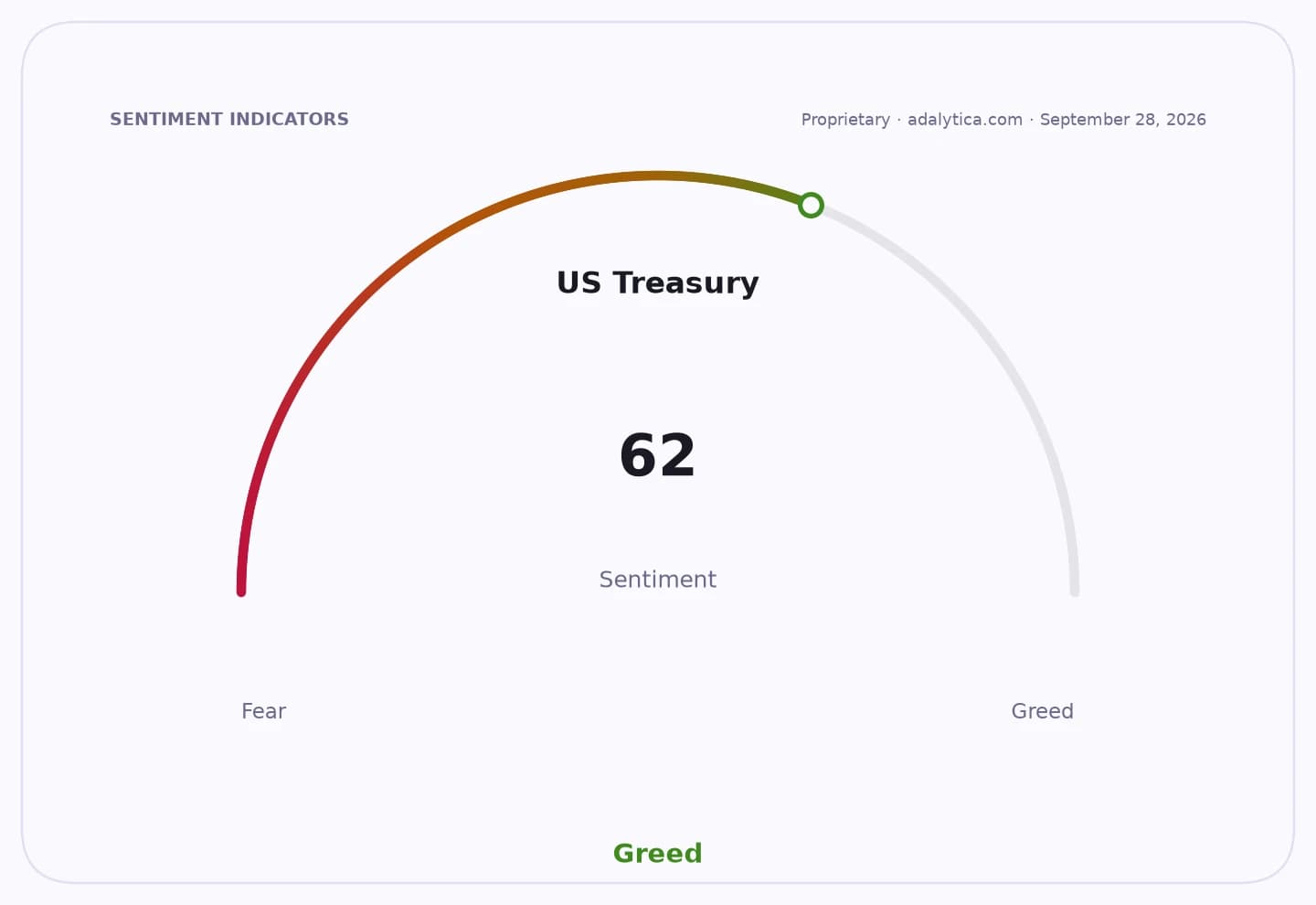
Sentiment IndicatorsⓘProprietary · adalytica.com · October 1, 2026
This is a snapshot — live sentiment, awareness and momentum for 130+ markets update continuously in the dashboard.Open AlphaPulse
That matters because Mexico is signaling it wants to extend duration at a time when investors still demand real yield and inflation protection. In a world where the U.S. 10-year Treasury is trading above 5% and emerging-market currencies remain vulnerable, Mexico is effectively telling the market it prefers to refinance and fund itself further out on the curve rather than lean on short-term paper that would roll more often and expose the sovereign to more rate risk.
For investors, the shift is a clear read-through for duration demand, curve dynamics and peso sentiment. More supply in 5- and 20-year tenors can pressure prices near term, but it also reinforces the attractiveness of Mexican sovereign debt for buyers seeking carry and inflation-linked protection. The peso has already been under pressure, and local bond yields remain one of the few anchors supporting demand for Mexican assets.
The move also fits a broader investment story: Mexico is trying to preserve market access and funding flexibility while security concerns, weak household demand and wider macro strain keep the risk premium elevated. That combination usually rewards investors who position early in the bonds and the currency market, rather than waiting for the crowd to catch up.
In practice, the beneficiaries are investors looking for yield and duration, while short-duration borrowers and traders betting on a quick rally in Mexican debt may face the toughest backdrop. If inflation stays sticky or global rates stay high, Mexico’s heavier use of longer maturities could become a durable feature of its financing strategy — and a sign that the best relative value in emerging markets may remain in sovereign duration and inflation-linked bonds.
| Entity | Gains | Losses |
|---|---|---|
| Mexican government | ▲Longer funding runway | ▼Near-term borrowing flexibility |
| Bond investors | ▲Higher duration and carry | ▼Price risk from more supply |
| Udibonos buyers | ▲Inflation protection | ▼Lower real-yield upside |
| Short-duration debt traders | ▲— | ▼Less upside from front-end scarcity |