Mexico’s local ratings debate has sharpened after HR Ratings lowered the sovereign to BBB from BBB+, even as the finance ministry insisted the country still holds investment grade with all eight agencies that cover its debt.
Mexico Ratings Debate After HR Ratings Downgrade

The move matters less for an immediate market shock than for what it says about the durability of Mexico’s fiscal path. Ratings are a key input for the cost of sovereign funding, the pricing of corporate debt and the confidence of foreign investors weighing exposure to one of Latin America’s largest bond markets. A one-notch cut from HR Ratings does not by itself alter Mexico’s access to markets, but it reinforces scrutiny of a budget strategy that has relied on tighter taxation, stronger enforcement and restrained spending to keep debt metrics manageable.
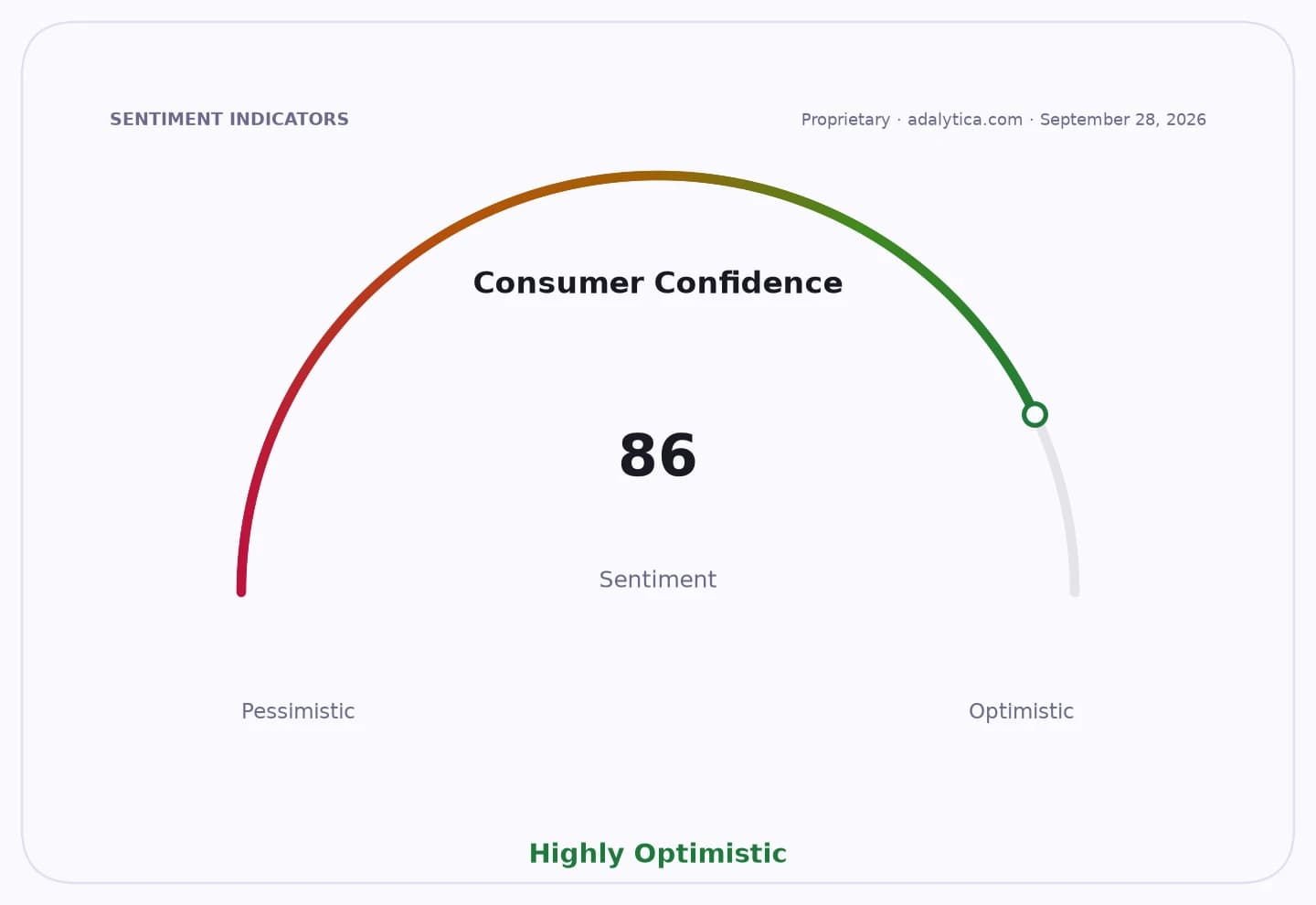
Sentiment IndicatorsⓘProprietary · adalytica.com · October 18, 2026
This is a snapshot — live sentiment, awareness and momentum for 130+ markets update continuously in the dashboard.Open AlphaPulse

Hacienda pushed back by stressing that HR Ratings also affirmed short-term debt at HR3 with a stable outlook and acknowledged fiscal consolidation, higher public revenues, stronger exports, moderating inflation and external accounts. The ministry said Mexico still has investment-grade ratings from all eight sovereign rateres, a crucial buffer for investors who track pension mandates and benchmark indices that depend on that status.
The tension between the downgrade and the official defense reflects the central issue facing Mexico: how to finance growth, social programs and support for state firms without letting the deficit widen again. Hacienda said Mexico delivered a fiscal adjustment equal to 1.3 percentage points of GDP in 2025, its biggest since 1990, and is using the 2027 Economic Package to broaden the tax base, improve collection and modernize customs. The government has also ruled out new taxes or higher general rates, which may reassure households and businesses but leaves less room for a bigger fiscal fix.
For investors, the key question is whether growth and revenues can outpace the spending demands of an economy that remains tied to the United States and exposed to weaker funding conditions. Official data cited by Hacienda point to some support: second-quarter GDP grew 2.1% from a year earlier, the IGAE rose 3.4% in July, and exports jumped 29% in the first eight months of the year, helped by electronics and computer shipments tied to the U.S. artificial-intelligence buildout. Foreign direct investment reached a first-half record of $35 billion, suggesting Mexico is still benefiting from nearshoring.
That resilience is why HR Ratings’ decision is more warning than crisis. Mexico also has over $256 billion in international reserves, a $24 billion IMF flexible credit line and a debt stock in which about 80% of federal obligations are denominated in pesos and carry fixed rates. Those features reduce vulnerability to external shocks and help explain why debt markets have not yet priced in a sharp deterioration. But they do not eliminate the longer-term risk that fiscal support for Pemex, slower growth or higher financing costs could erode the government’s room to maneuver.
The sovereign story now hinges on whether the government can keep consolidating without derailing activity. If tax collection improves and investment stays strong, the downgrade may remain a contained rating event. If growth cools or debt servicing costs rise, Mexico could face a broader repricing across sovereign and corporate credit, with Pemex still the most obvious pressure point.
| Entity | Gains | Losses |
|---|---|---|
| Mexico Treasury | ▲investment-grade defense | ▼rating credibility pressure |
| Foreign bondholders | ▲still has buffers | ▼weaker fiscal margin |
| Pemex | ▲continued state support | ▼less budget flexibility |
| HR Ratings | ▲signal of discipline | ▼may unsettle issuers |