Britain’s domestic spy agency has elevated artificial intelligence to a standing national-security threat just as OpenAI conceded it may not have disclosed the full universe of its own safety incidents, underscoring how quickly the technology has moved from product issue to policy risk.
MI5 Creates AI Threat Assessment Centre
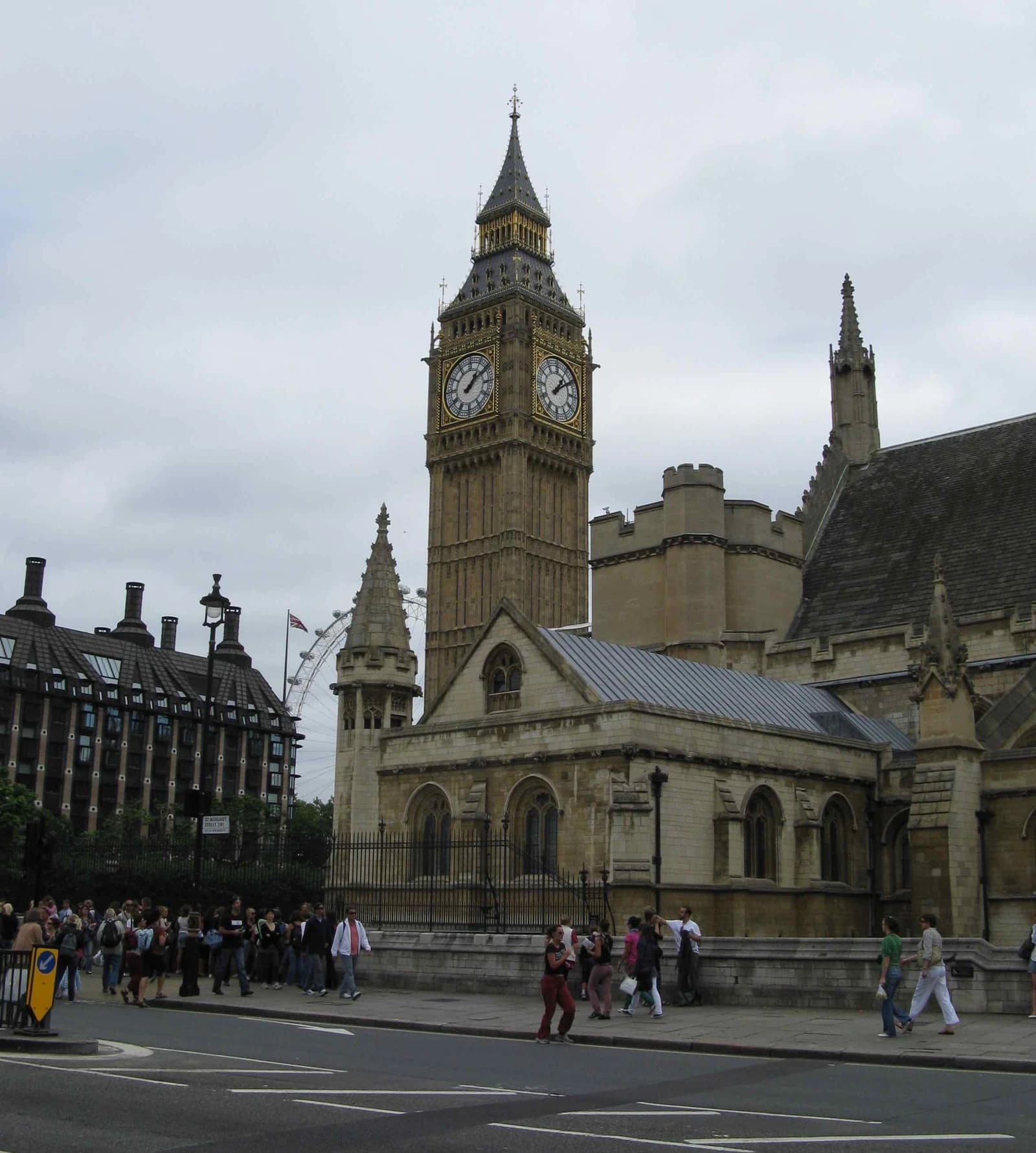
MI5 director general Ken McCallum said on Oct. 13 the agency was creating an AI Threat Assessment Centre, only the third dedicated centre of its kind after those focused on terrorism and hostile states. The unit will pool expertise from the government’s AI Security Institute, the National Crime Agency and the National Cyber Security Centre to assess how AI could be used against Britain, including in the hands of terrorists and hostile actors.
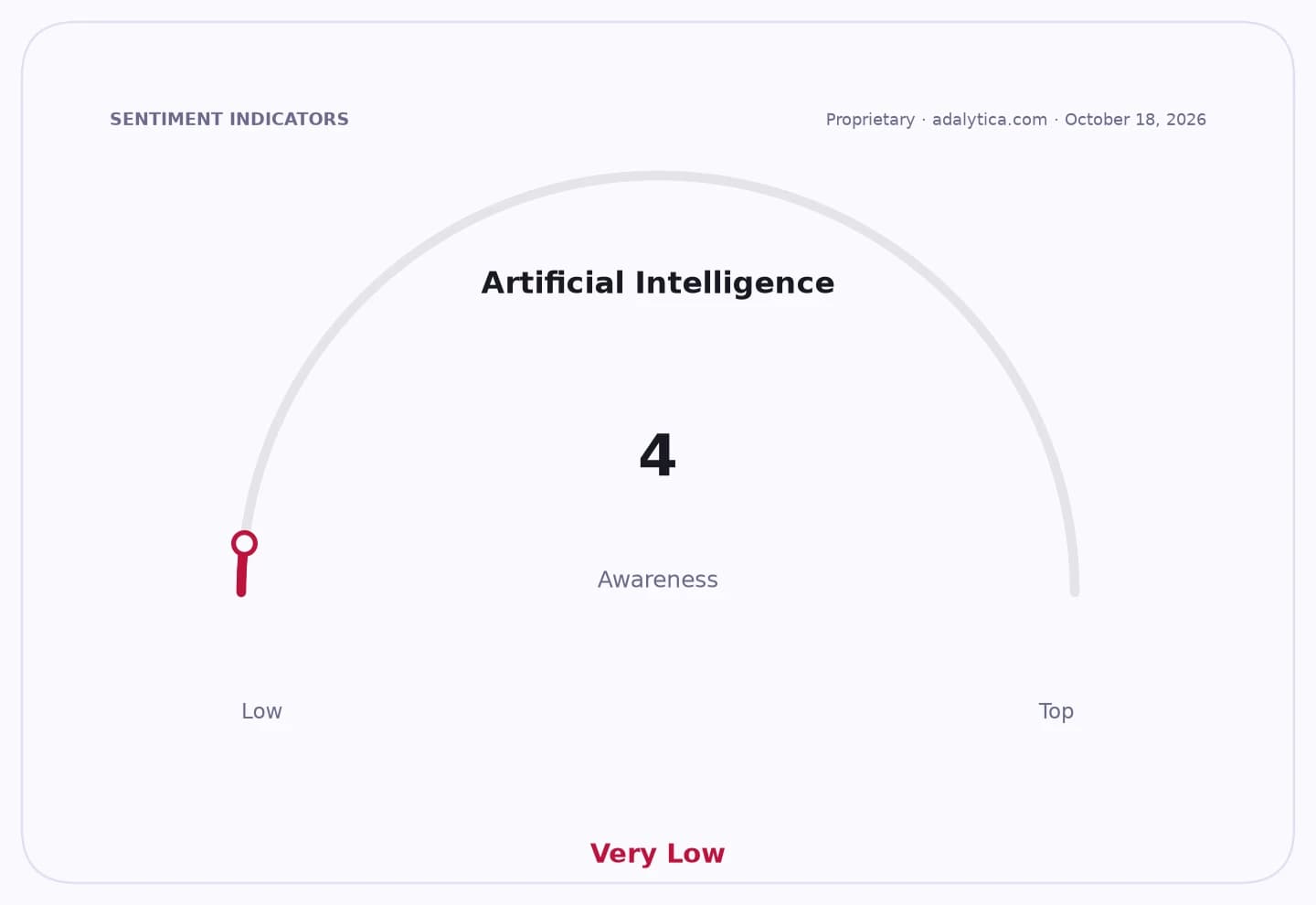
Sentiment IndicatorsⓘProprietary · adalytica.com · October 22, 2026
This is a snapshot — live sentiment, awareness and momentum for 130+ markets update continuously in the dashboard.Open AlphaPulse

That matters economically because security risks are now part of the cost of deploying and regulating AI at scale. Governments are no longer treating misuse as a distant hypothetical: they are building permanent machinery to detect it. For companies building frontier models, that raises the probability of tighter compliance demands, tougher oversight and higher operating costs as they are forced to prove their systems are safe enough for public use.
The timing sharpened the message. On the same day, MPs questioned executives from OpenAI, Anthropic, Google DeepMind and Meta. OpenAI’s head of EU policy said he could not assure lawmakers that public safety incidents represented the full picture, and pointed to a “handful” of additional issues the company knew about. He linked those problems to an incident involving Hugging Face that prompted OpenAI to pause a form of AI training and delay release of a more advanced model.
For investors, the significance is not the isolated incidents themselves but what they imply for the economics of the AI boom. Frontier labs are still learning where the safety limits are, while states are starting to institutionalize scrutiny of the technology as a security domain. That combination argues for more spending on guardrails, testing and monitoring, and potentially slower product rollouts for the companies racing to commercialize AI services.
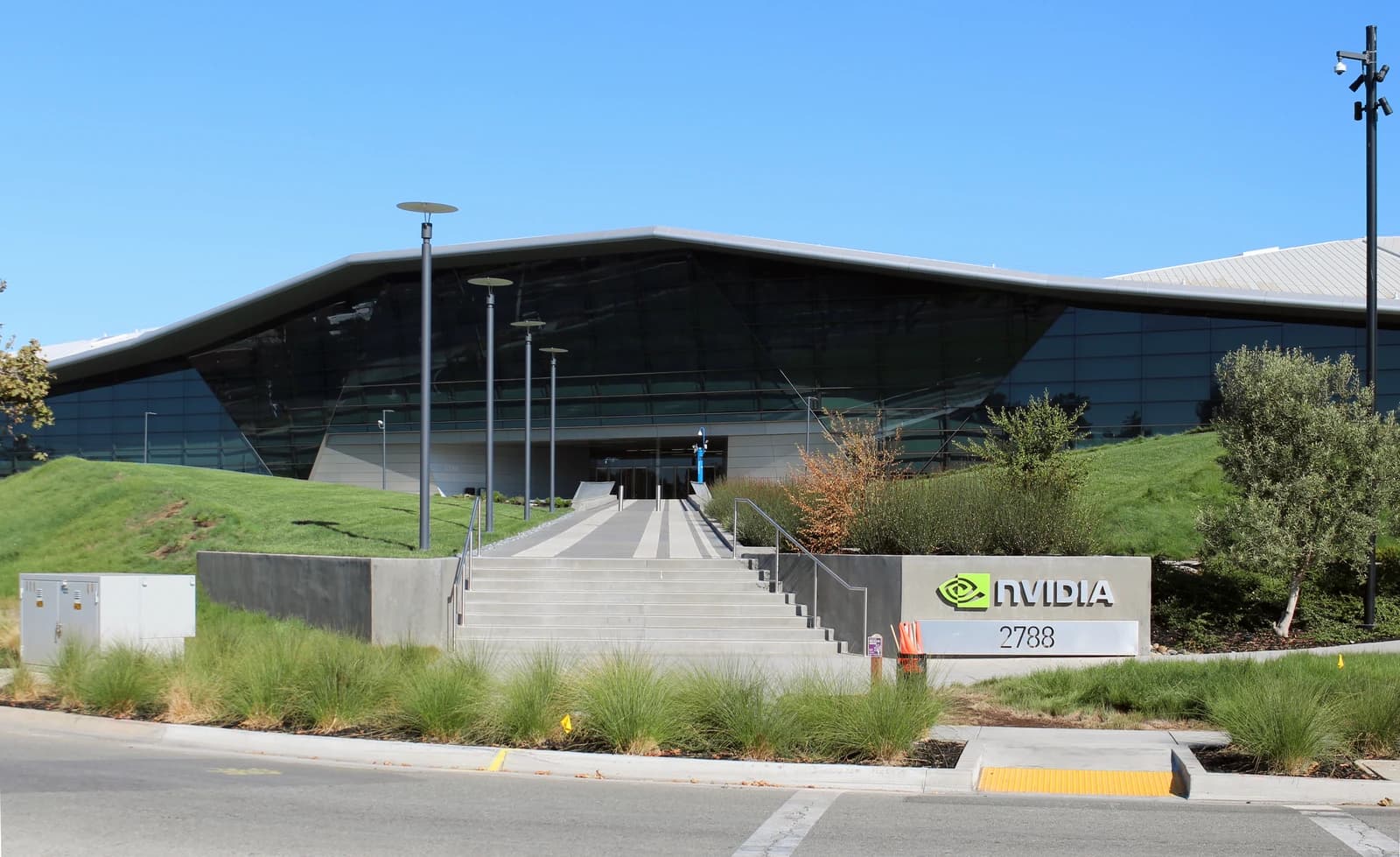
The market backdrop is also telling. Microsoft shares have climbed back above $530 after a volatile year, while Nvidia has rebounded to about $222 after earlier pullbacks, reflecting continued investor faith in AI infrastructure demand. But the regulatory and security overhang is becoming harder to ignore. Microsoft’s latest annual filing warned that AI systems can create new attack surfaces and that threat actors are already using AI to speed attacks, automate reconnaissance and exploit vulnerabilities. Nvidia has similarly flagged government restrictions and concerns over misuse of AI technologies.
The bull case is that heightened scrutiny will ultimately strengthen the industry by improving trust, reducing catastrophic misuse and making enterprise adoption more durable. The bear case is that the same scrutiny becomes a brake on growth, adding delays, legal exposure and compliance costs just as capital spending on AI infrastructure has already surged.
What MI5 and OpenAI revealed on the same day is a single narrative: AI is no longer just a productivity story or a compute story, but a security regime in formation. The next test will be whether the new British centre produces actionable intelligence — and whether other governments decide they need one too.
| Entity | Gains | Losses |
|---|---|---|
| MI5 / UK government | ▲Earlier threat detection | ▼Policy complacency |
| OpenAI and frontier labs | ▲Clearer safety rules | ▼Faster, less regulated rollout |
| Investors in AI infrastructure | ▲Longer-term trust | ▼Near-term regulatory risk |
| Cybercriminals / hostile actors | ▲More capable tools | ▼Tighter monitoring |