Michigan’s plan to use artificial intelligence to sort prisoners into five security levels could reshape how U.S. prisons decide housing, programming and violence-prevention measures, a shift that matters because even a modest improvement in risk scoring can affect safety, staffing and liability across correctional systems.
Michigan prisons to pilot Recidiviz AI risk tool

The state’s Department of Corrections says the software, developed by Recidiviz, could make violence-risk assessments about 30% more accurate than the current process, which relies on a panel of prison employees. The pilot is slated to begin in December 2026 in several men’s prisons. If it works as advertised, the system could reduce assaults, improve placement decisions and help administrators manage overcrowding more efficiently.
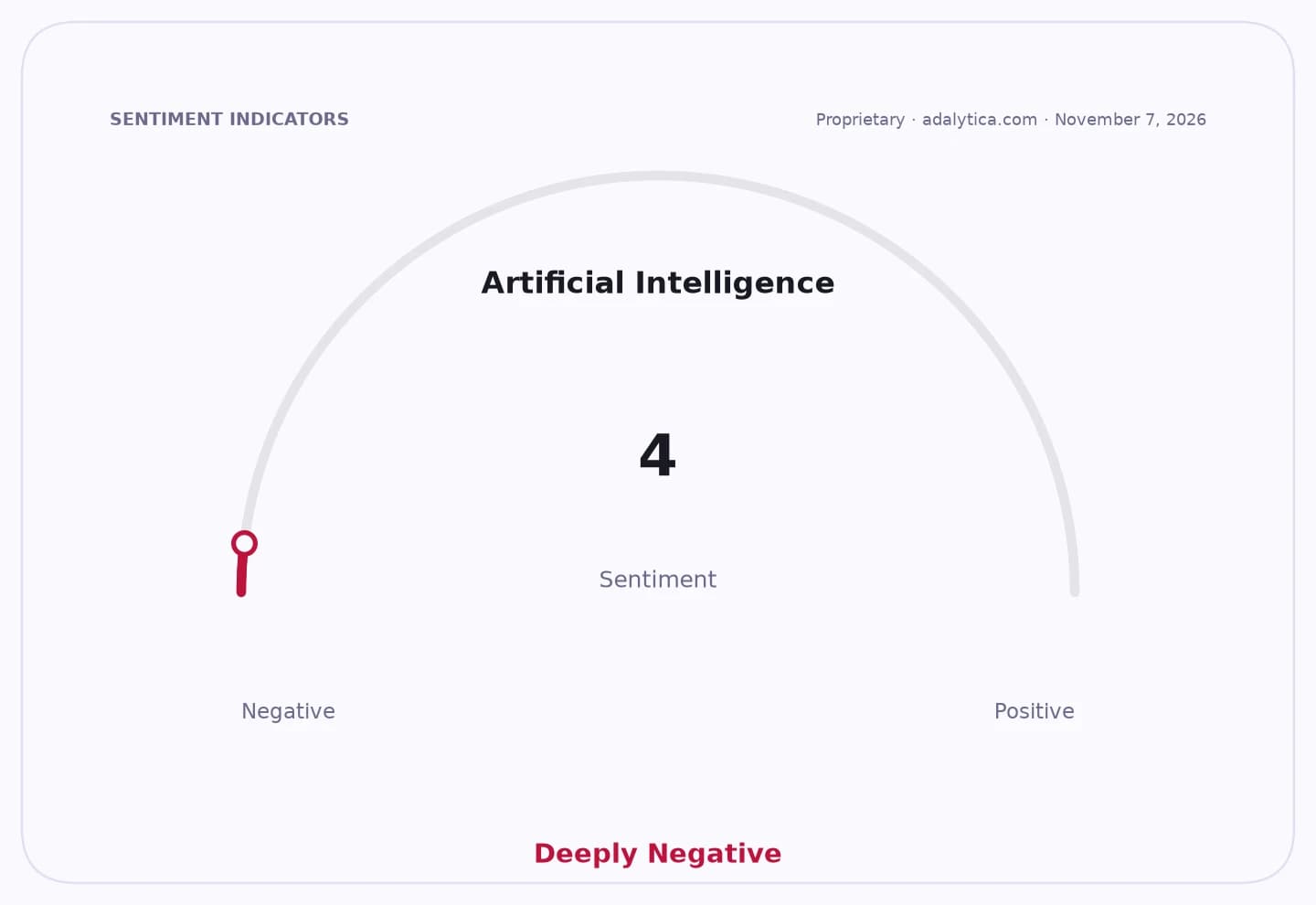
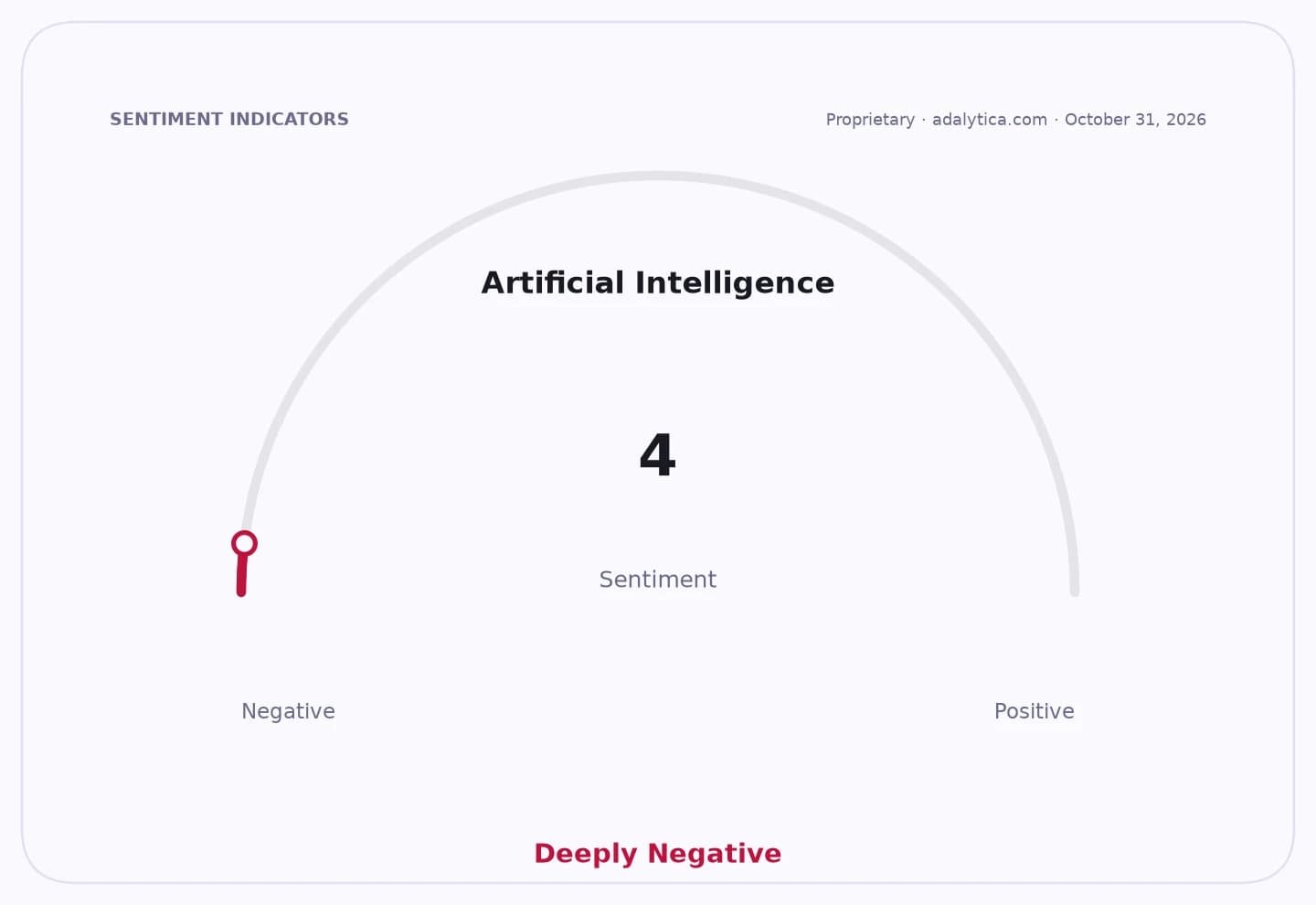
Sentiment Indicators
That is the bull case for a technology increasingly being pushed into public-sector decision-making: better data could mean better outcomes. But the downside is equally material. The security label assigned to a prisoner determines who they are housed with and what programs or support they can access, so errors can have immediate consequences. If the model reflects flawed data or built-in bias, it could reinforce racial or socioeconomic disparities rather than remove them.
The concern is not theoretical. A ProPublica investigation into a similar Louisiana risk tool found that biased data distorted assessments and pushed some inmates into higher risk categories. That history is likely to intensify scrutiny of Michigan’s pilot and of Recidiviz, which emerged from a Google-linked data project and now positions itself as a digital infrastructure provider for the correctional system.
For investors, the story is less about prisons alone than about a wider theme: governments are increasingly willing to adopt AI for high-stakes operational tasks, but only if vendors can prove the systems are auditable, accurate and defensible. That creates a commercial opening for correctional-tech providers, but it also raises regulatory and reputational risk. Any widely publicized failure could slow procurement, tighten oversight and make adoption slower and more expensive.
The broader implication is that AI in public safety is moving from testing to governance. Michigan’s pilot will be watched as a case study in whether algorithmic tools can improve prison management without importing the biases they are meant to reduce. If the system performs well, other states may follow. If it fails, the backlash could shape how far AI is allowed to go inside U.S. prisons.
| Entity | Gains | Losses |
|---|---|---|
| Michigan corrections officials | ▲More granular risk sorting | ▼Higher accountability if errors occur |
| Recidiviz | ▲Validation for prison AI software | ▼Reputational hit if bias emerges |
| Prison staff | ▲Less manual triage | ▼Less discretion in decisions |
| Inmates | ▲Potentially safer housing | ▼Misclassification and restricted access |