Brazil has widened the federal government’s grip on public security, a constitutional shift that gives President Luiz Inácio Lula da Silva more room to confront organized crime while locking in funding for policing and prisons from oil revenue.
Brazil widens federal control over public security

The amendment is economically significant because crime has become not just a law-and-order issue but a drag on investment, logistics and consumer confidence in Latin America’s largest economy. By elevating federal coordination, expanding police authority and earmarking oil proceeds for security spending, Brasília is signaling that public safety is now a central policy lever rather than a state-level afterthought.
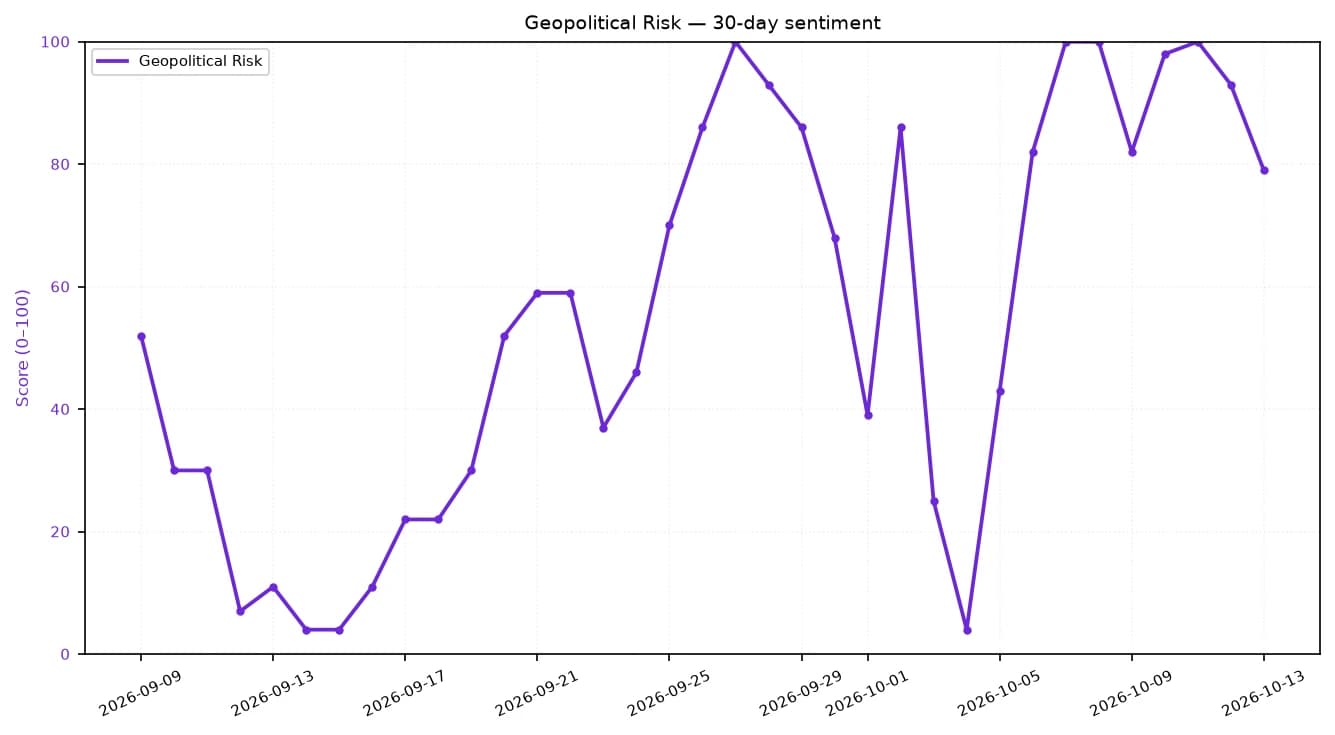
Sentiment Indicators
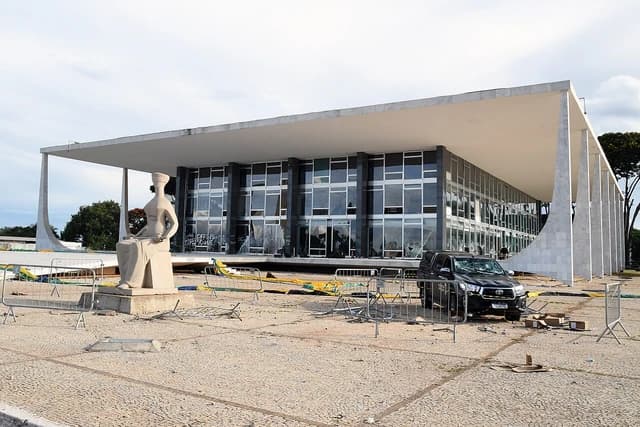
The Senate approved the measure unanimously after the lower house had already signed off, clearing the way for Congress to enact it without presidential approval. Lula, who made public security a campaign theme, hailed the vote as a mandate for a new Public Security Ministry that would focus on intelligence, planning and coordination with states and municipalities. The government moved before the next Congress takes office in 2027, when the opposition is expected to hold greater influence in the Senate.
For investors, the immediate market relevance is less about direct fiscal impulse than about institutional change. Brazil’s security premium affects everything from retail traffic and freight costs to insurance pricing and municipal spending. A more coordinated federal framework could, in the bull case, improve enforcement against criminal factions and militias that operate across state borders and weigh on economic activity. In the bear case, the changes may add bureaucracy without fixing the fragmented police structure that has long limited results.
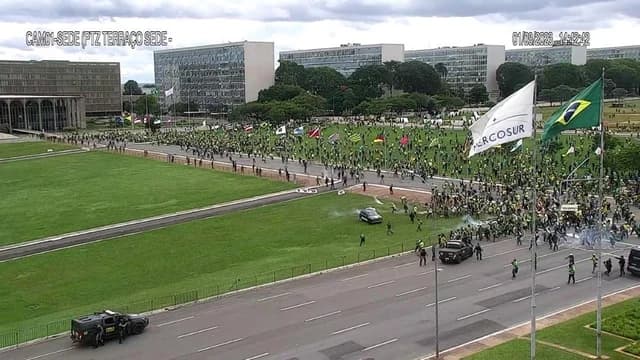
The amendment adds the Unified Public Security System to the constitution, formalizing joint operations and information sharing across federal, state and municipal agencies. It also limits the government’s ability to divert money from federal security and prison funds and directs 10% of surplus Social Fund oil revenue to those programs, with transfers starting in 2027 and reaching full implementation in 2029.
That funding link matters because Brazil’s oil wealth has often been used to smooth fiscal pressures or support broader social goals. Tying part of the surplus to security spending creates a durable budgetary floor for policing and prisons, even as it also reduces discretionary flexibility for future governments. In practice, it could boost spending in a politically popular area without requiring new taxes.
The amendment also orders tougher penalties for members of criminal organizations, expands the Federal Police’s reach over militias and cross-border groups and allows the Federal Highway Police to patrol railways and waterways as well as roads. Municipalities can create civilian police forces for patrols and community policing, though prosecutors will oversee them.
That combination reflects Lula’s effort to assert federal leadership without dismantling Brazil’s federalist model. But the biggest test will be execution. Legal experts warn that integrating new federal and municipal responsibilities into a system still split between military police and civil police could prove difficult, and tougher incarceration alone may not materially weaken organized crime.
For equity and currency investors, the near-term read-through is mixed. The vote may support sentiment around domestic stability, especially if it leads to better coordination against organized crime in key commercial corridors. But the Brazilian real and local assets are likely to care more about whether the measure produces measurable reductions in violence and disruption than about the constitutional language itself. That leaves the Public Security Ministry, once created, as the next catalyst to watch, alongside implementing legislation and the 2027 budget cycle.
| Entity | Gains | Losses |
|---|---|---|
| Lula government | ▲More federal control | ▼Less state autonomy |
| Federal police and agencies | ▲Broader authority | ▼Fragmented state police |
| Oil-funded security programs | ▲Dedicated funding | ▼Fiscal flexibility |
| Criminal organizations | ▲Tighter enforcement | ▼Fewer safe havens |