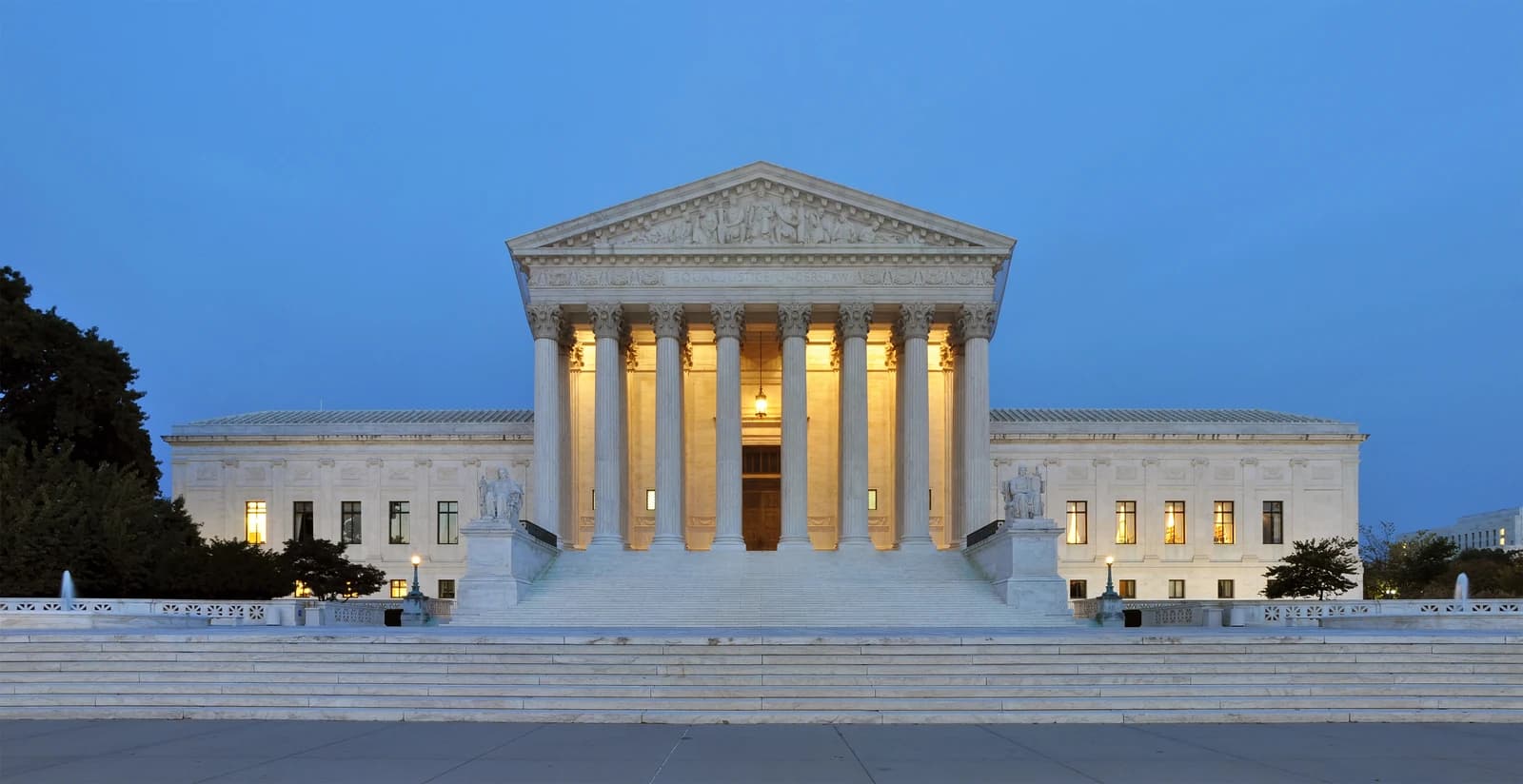
The US Supreme Court is weighing whether federal judges must treat Sentencing Commission commentary as binding in criminal cases, a ruling that could reshape how much discretion lower courts have when imposing punishment and how much deference judicial agencies still receive.
Supreme Court Weighs Sentencing Commission Commentary
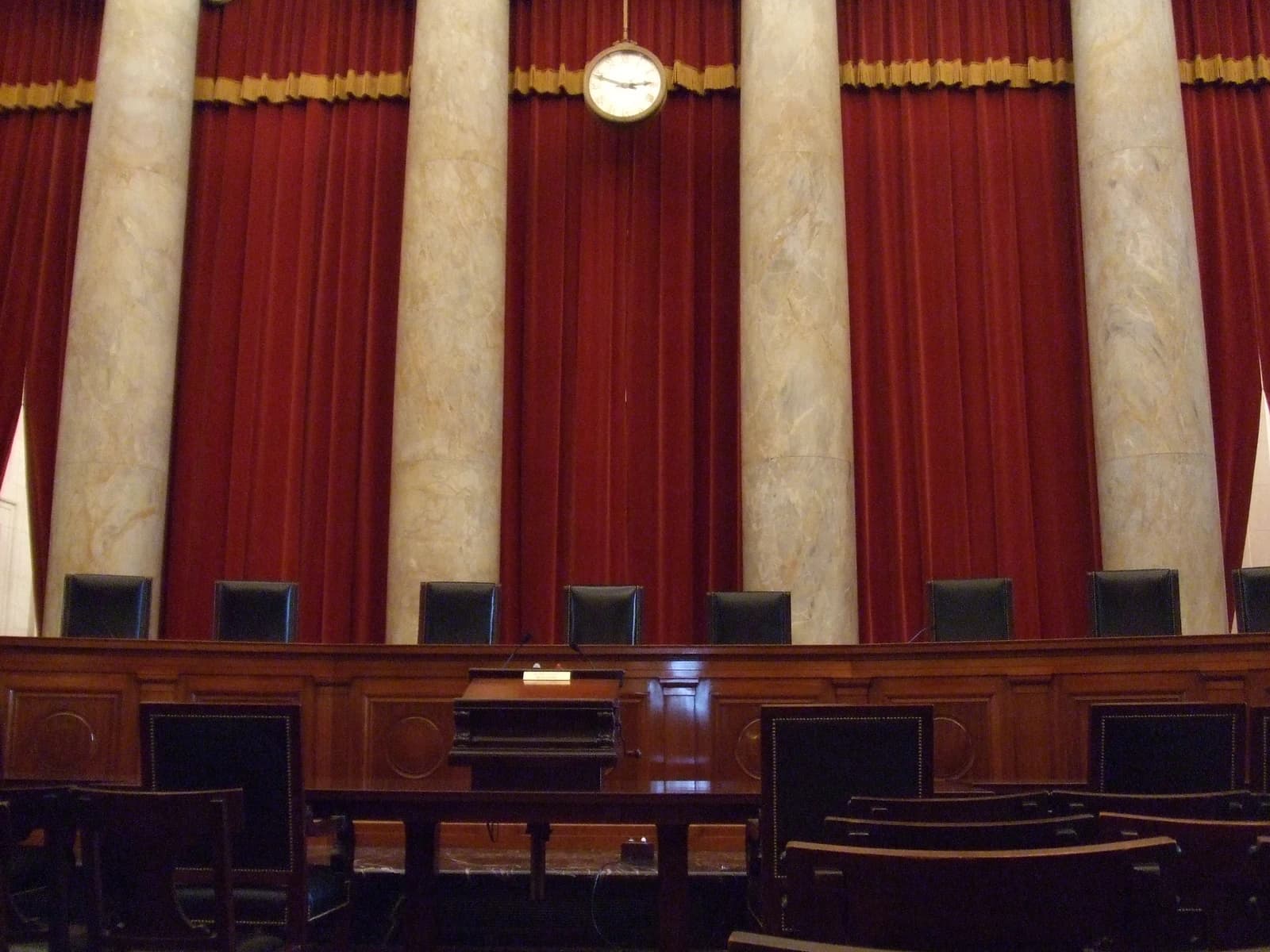
The dispute centers on Kendrick Beaird, who received an enhanced sentence after pleading guilty in 2022 to firearm possession by a felon. The enhancement turned on a guideline saying courts should increase penalties for possession of a gun “capable of accepting a large capacity magazine,” with commentary defining that as a magazine that can hold more than 15 rounds.
Sentiment Indicators
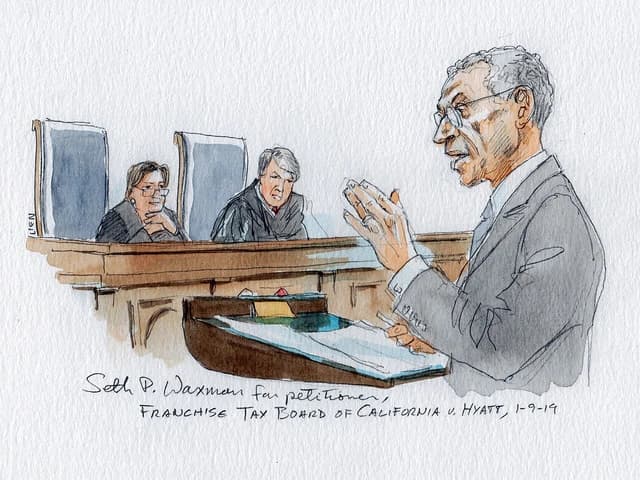
Beaird’s lawyers argued the commentary should not control the outcome, while the trial court relied on Supreme Court precedent from Stinson v. US to uphold the enhancement. The justices now face a question that goes well beyond one sentence: whether the Sentencing Commission’s explanations are authoritative in the same way as the guidelines themselves.
That matters because federal sentencing remains a major source of consistency — and dispute — across the courts. Although the guidelines are technically advisory after US v. Booker, judges still use them as a reference point in thousands of cases, meaning the reach of commentary can materially affect prison terms, plea negotiations and the leverage prosecutors hold in criminal cases.
The argument also arrives as the court has been tightening deference to agency interpretations in recent years. A decision narrowing the force of sentencing commentary could extend the reasoning behind Kisor v. Wilkie and Loper Bright Enterprises v. Raimondo into a new corner of government, this time involving the judicial branch’s own Sentencing Commission.
During argument, justices Ketanji Brown Jackson and Sonia Sotomayor appeared skeptical of Beaird’s claim that the commentary should carry little or no weight, with Jackson saying the guidelines and commentary are “inextricably linked.” Justice Neil Gorsuch, by contrast, said the circuits are “badly split” and suggested the law below is likely to be rejected.
The case has economic relevance mostly through the legal and institutional channel rather than an immediate market one: a more constrained sentencing regime could alter outcomes in federal criminal enforcement, while a broader reading of judicial discretion could preserve existing sentencing patterns. Investors are watching the court’s broader anti-deference direction as well, since any further narrowing of agency authority can influence regulatory risk across industries, even if this case itself is confined to criminal law.
A ruling is expected later in the term and could clarify whether sentencing commentary remains a powerful tool for uniformity or becomes another casualty of the court’s retreat from deference.
| Entity | Gains | Losses |
|---|---|---|
| Federal judges | ▲More sentencing discretion | ▼Less binding guidance |
| Defendants | ▲Chance for lower sentences | ▼Fewer uniform protections |
| Prosecutors | ▲Clearer guideline leverage if upheld | ▼Less certainty if commentary is weakened |
| Sentencing Commission | ▲Authority preserved if court sides with government | ▼Influence curtailed if commentary is downgraded |