A Turkish Supreme Court ruling that taking out a home loan without a spouse’s knowledge is not, by itself, grounds for fault in divorce cases could reshape how family courts assess debt, housing decisions and financial behavior inside marriage.
Turkish Supreme Court mortgage ruling in divorce cases

The precedent matters because it draws a line between hidden borrowing and harmful conduct. For borrowers and spouses alike, the key question is no longer simply whether a loan was taken without permission, but why the debt was incurred, how the money was used and whether the borrowing helped or hurt the family economy.
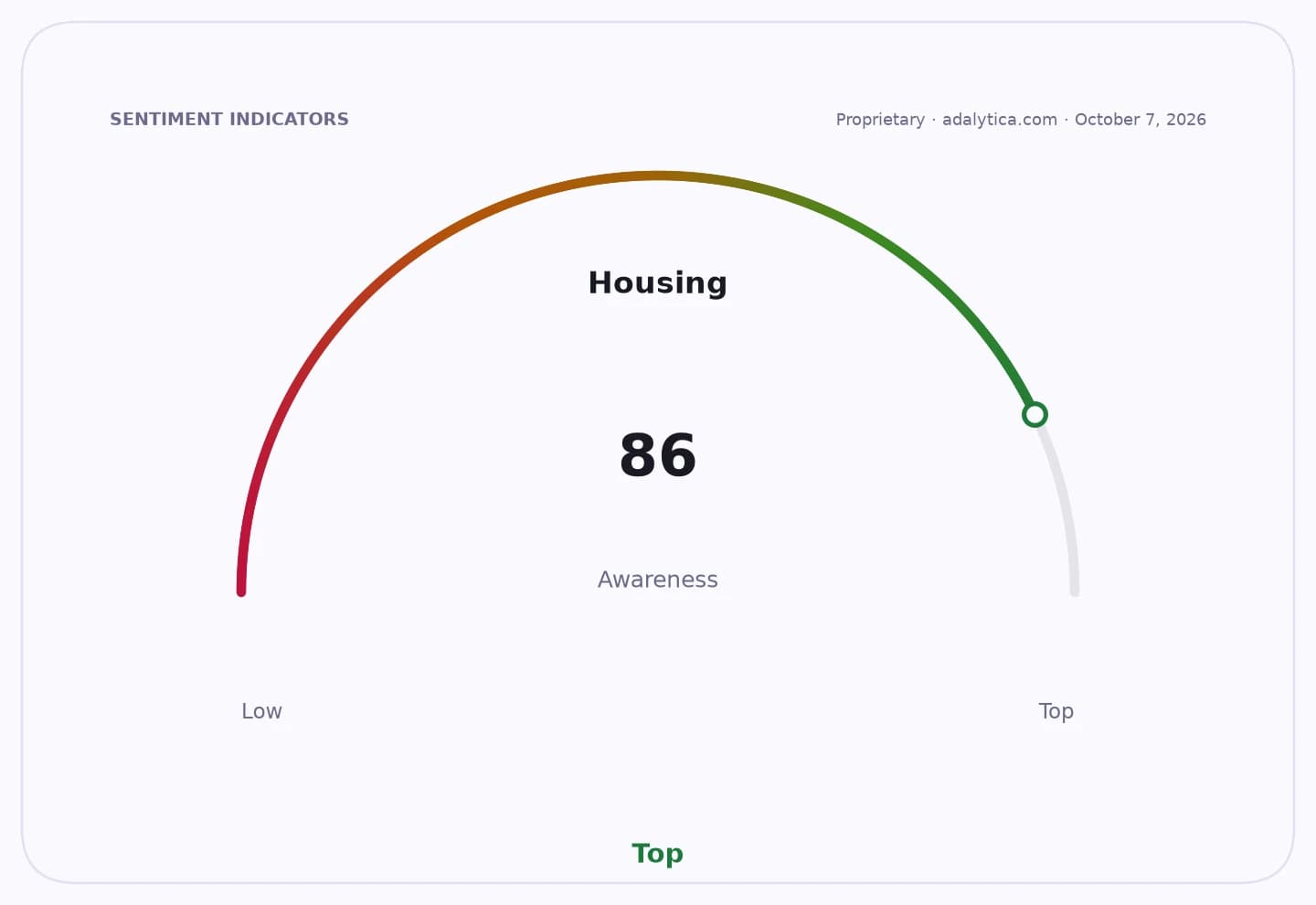
Sentiment IndicatorsⓘProprietary · adalytica.com · October 22, 2026
This is a snapshot — live sentiment, awareness and momentum for 130+ markets update continuously in the dashboard.Open AlphaPulse

That distinction has immediate legal and financial consequences. In the Antalya case, a lower court had found both parties equally at fault after the husband argued his wife secretly took out a mortgage. The Supreme Court overturned that ruling, saying debt should be judged in context and that borrowing to buy a home cannot automatically be treated as misconduct.
The court’s logic is economically important in a country where household leverage and housing costs remain central pressure points. Mortgage decisions are not just personal finance choices; they affect family balance sheets, property ownership, and who bears the financial burden if a marriage ends. A ruling that borrowing for housing is not inherently blameworthy reduces legal uncertainty for households trying to finance property in their own name.
It also narrows the scope for divorce litigation to turn on technicalities rather than substance. Under the court’s reasoning, a loan taken to support the family economy may be treated very differently from debt used for gambling, luxury spending or other personal expenditures that damage household finances. That creates a more businesslike standard for judges: intent, use of proceeds and conduct during the marriage now matter more than secrecy alone.
The ruling arrives as mortgage access and repayment risks remain sensitive across housing markets. Broader regulatory efforts to smooth the move from installment plans to mortgages and relieve borrowers from double-counting debt show that authorities are trying to keep home financing workable without letting credit stress spiral. In that environment, the Supreme Court’s decision supports the idea that not all household leverage is a red flag.
For investors, the message is less about one divorce case than about the legal backdrop for housing finance. Anything that reduces uncertainty around mortgage use can help normalize demand for home loans, support transaction activity and ease friction in the housing market. That matters for lenders, mortgage servicers, homebuilders and platforms tied to housing turnover.
The market is still dealing with elevated rates and stretched affordability, which means the next catalyst will come from how courts and regulators shape borrowing behavior, not just from the central bank. If rules increasingly recognize mortgages as a legitimate household tool rather than presumptive fault, the result could be a more stable legal framework for housing credit and a modest but meaningful tailwind for the mortgage ecosystem.
| Entity | Gains | Losses |
|---|---|---|
| Borrowers | ▲Greater legal clarity | ▼Less automatic blame |
| Spouses in divorce cases | ▲Context-based rulings | ▼Easier fault claims |
| Banks and mortgage lenders | ▲More predictable lending | ▼Fewer litigation shortcuts |
| Housing market | ▲Smoother mortgage use | ▼Less ambiguity in disputes |