Microsoft is suddenly being pulled deeper into the most politically sensitive corner of artificial intelligence: government control, national security and sovereignty.
Microsoft and U.S. Government AI Spending
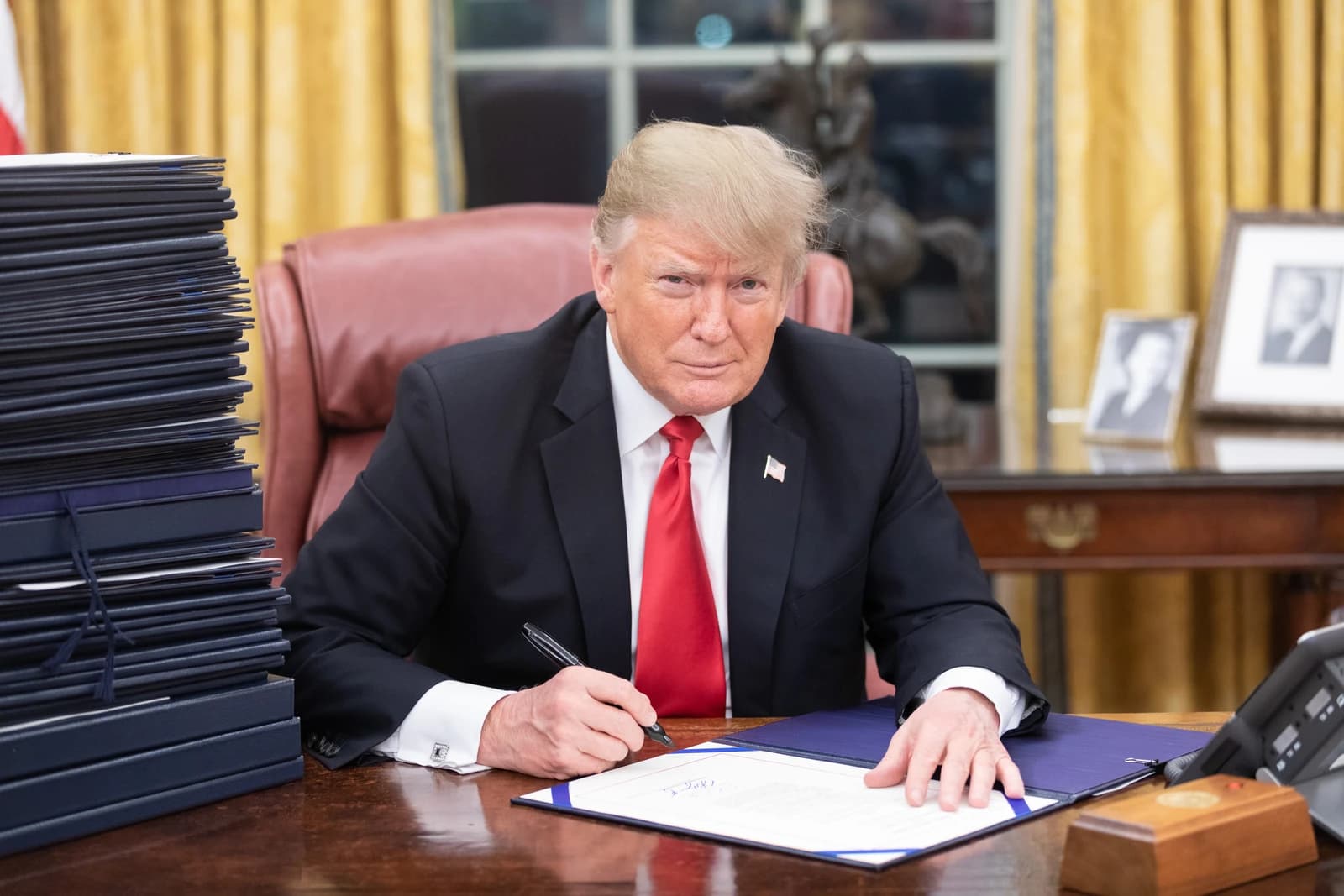
That matters because the next phase of the AI boom is no longer just about model performance or cloud spend. It is about who gets to govern the systems, who gets paid to run them and which companies become embedded in state infrastructure as Washington moves to tighten oversight. Former President Donald Trump’s reported “super intelligence” edict and the shock Microsoft call put a spotlight on a market the crowd still underprices: AI as a security stack, not just a software feature.
For investors, that is a far bigger opportunity than the day-to-day noise around earnings. Microsoft sits at the intersection of cloud, AI, identity, defense-adjacent computing and public-sector procurement. If Washington treats advanced AI as critical infrastructure, the beneficiaries are not just the model makers. The real toll roads are the platform providers with scale, compliance muscle and deep government ties.
Microsoft’s stock has already reflected some of that strategic importance. Shares closed at $535.07 in the latest session, above both the 50-day moving average of $500.19 and the 200-day moving average of $432.70, with RSI readings at 72.3 and price sitting just under the upper Bollinger Band. That says the market is buying the story, but not necessarily pricing the full policy upside if AI oversight becomes a budgeted, long-duration government spend category.
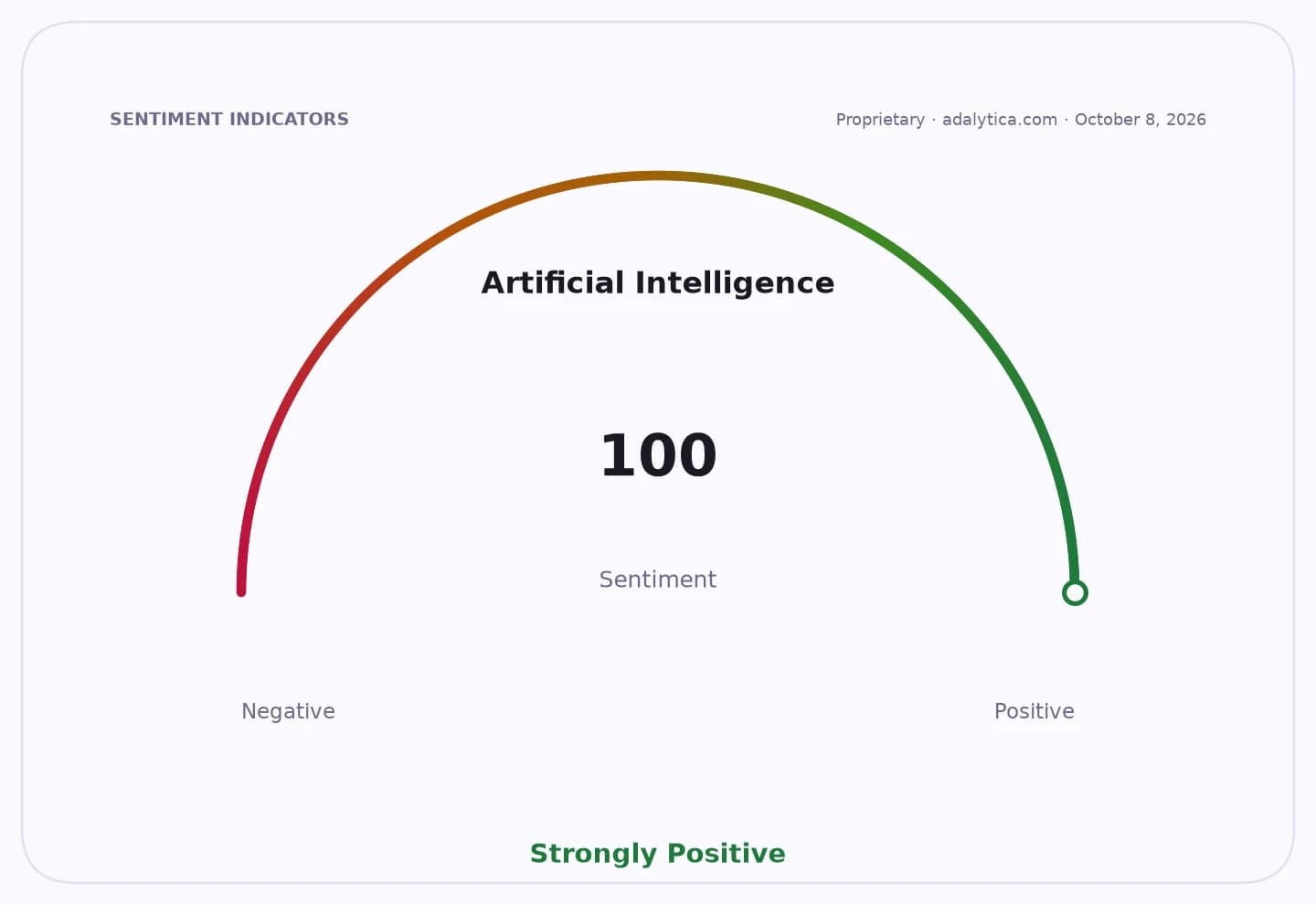
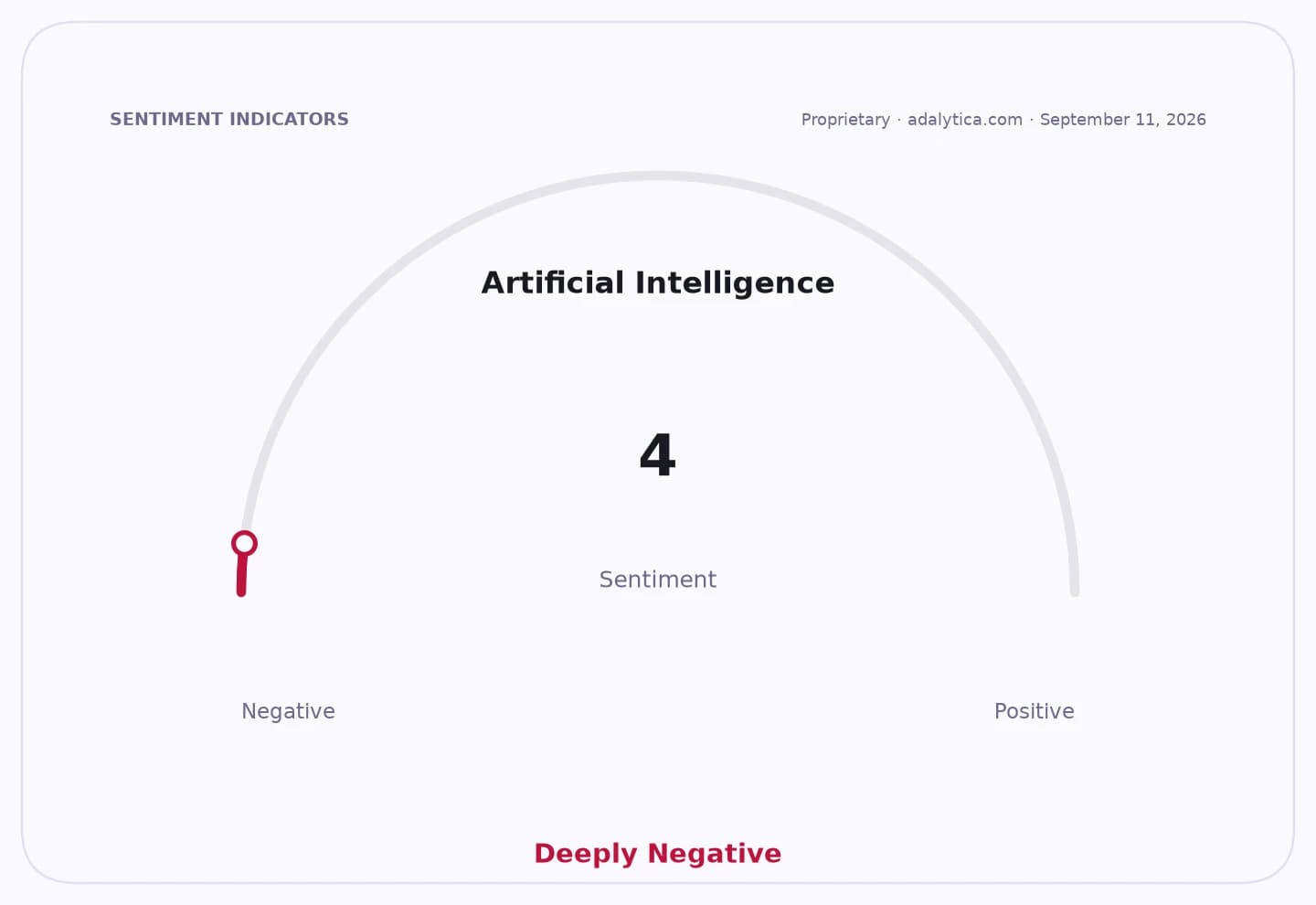
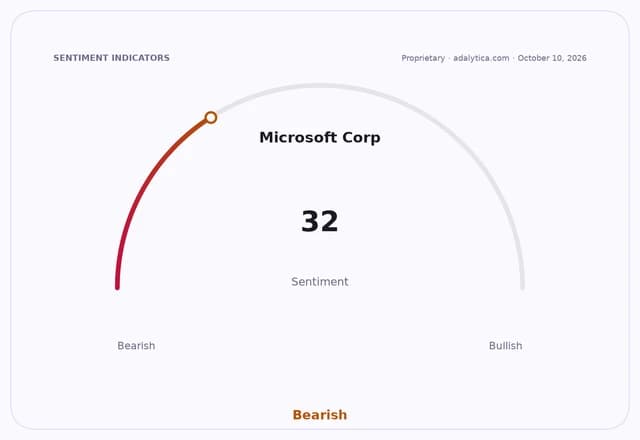
The broader setup is even more striking in the data from Adalytica.com. Microsoft earnings sentiment is neutral at 32, but awareness is at an extreme-fear reading of 11, a sign that the market is paying attention without fully embracing the implications. By contrast, AI sentiment across the sector is at 89, or extreme greed. That split is exactly where asymmetric opportunities tend to emerge: enthusiasm for the theme, but caution around the policy and execution layer.
This is where the narrative widens beyond Microsoft. Safe Pro’s new U.S. government AI subcontract reinforces that federal agencies are not just regulating AI, they are buying it. Around the world, governments are folding AI into immigration, law enforcement and security workflows, while Europe, Mexico and Tunisia all signal that AI governance is moving from theory to operating policy. The result is a multi-year capex cycle in secure computing, data governance, cybersecurity and sovereign cloud architecture.
That is bullish for Microsoft, but the real second-order winners are the picks-and-shovels names riding the same wave: cloud infrastructure, cybersecurity, defense software and systems integrators that can meet federal procurement standards. The market often treats these as ordinary enterprise software names. I believe it is missing their role as the infrastructure layer for state AI deployment.
The risk is clear as well. Higher scrutiny, export controls and sovereignty demands can raise costs and slow some international rollouts. Microsoft’s own filings warn that tariffs, AI export controls and geopolitical disputes can increase operating costs and accelerate local sovereignty initiatives abroad. But that is also the point: as governments wall off their own AI stacks, the value of trusted, compliant incumbents rises.
If Trump’s AI agenda becomes policy rather than rhetoric, the investment playbook shifts fast. Expect more federal spending, more compliance-driven demand and more contracts for companies that can secure models, data and compute. Microsoft is not just a beneficiary of AI adoption; it is becoming one of the gatekeepers.
The actionable takeaway is simple: own the AI infrastructure layer before policy recognition broadens the trade. Microsoft remains a core holding, but the bigger upside may lie in the ecosystem built around it.
| Entity | Gains | Losses |
|---|---|---|
| Microsoft | ▲Government AI demand | ▼Open-ended policy scrutiny |
| U.S. federal contractors | ▲New AI contracts | ▼Higher compliance costs |
| AI infrastructure stocks | ▲Sovereign compute spending | ▼Commodity AI apps |
| Foreign cloud vendors | ▲Limited near-term benefit | ▼Access under sovereignty rules |