Public-sector AI spending is emerging as a more durable growth lane for the big cloud platforms, and the market is treating it as another reason to keep paying up for Microsoft, Alphabet and Amazon despite stretched valuations. A govtech and AI academy partnership is the kind of deal that matters less for its immediate revenue and more for what it says about the shape of future demand: governments want off-the-shelf AI talent, training and deployment capacity, and the hyperscalers are the natural suppliers.
Microsoft Alphabet Amazon Gain From Public AI Spending
That matters economically because government adoption tends to be slower than corporate adoption, but stickier once it starts. Public agencies buy on multi-year budgets, lean on compliance-heavy vendors and often standardize around a small number of large technology providers. If the partnership is designed to train officials, seed AI use cases or create procurement pathways, it can widen the funnel for cloud, data and productivity software contracts at a time when AI infrastructure spending is already underpinning capital expenditure across the sector.
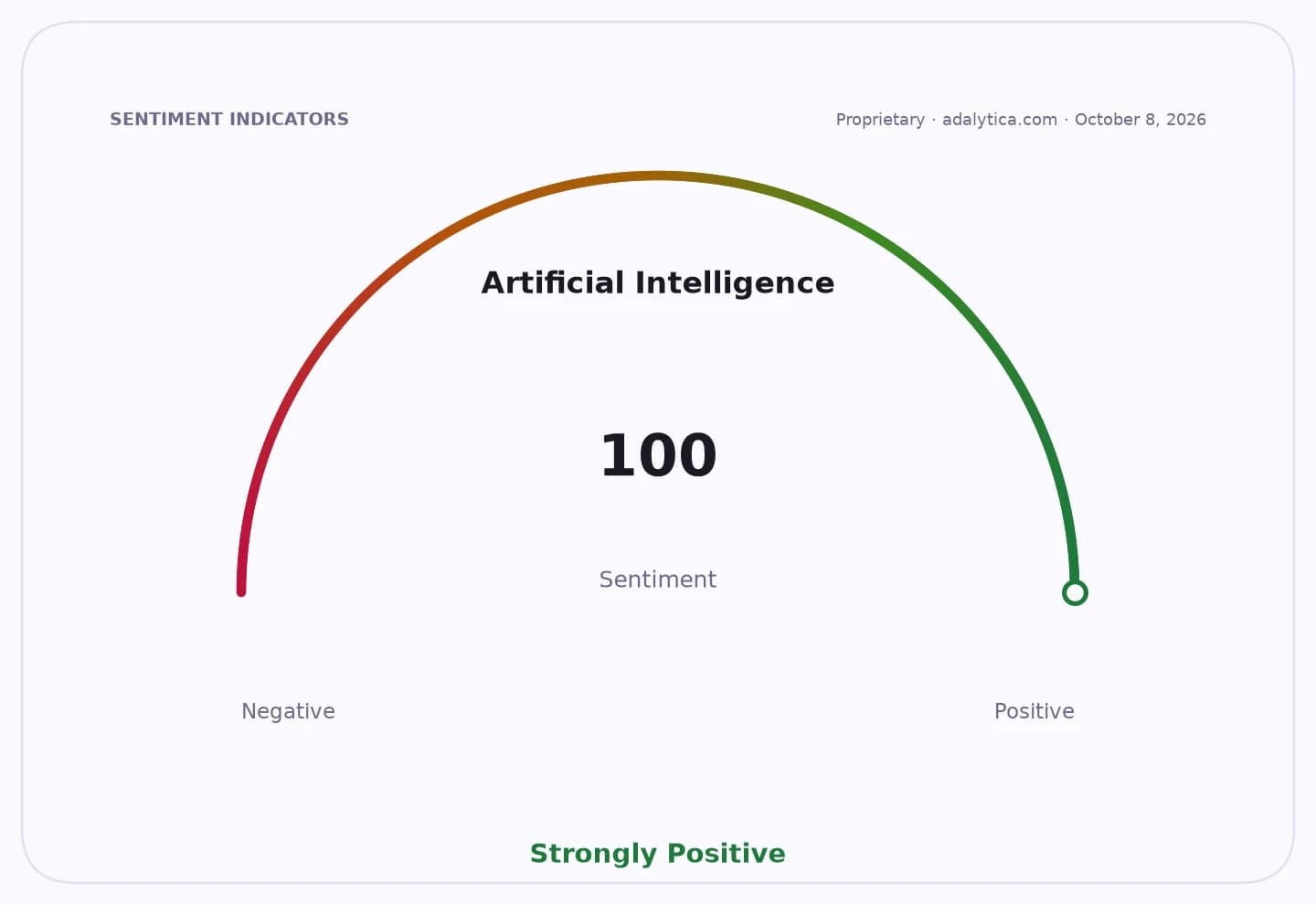
Sentiment IndicatorsⓘProprietary · adalytica.com · October 8, 2026
This is a snapshot — live sentiment, awareness and momentum for 130+ markets update continuously in the dashboard.Open AlphaPulse
Microsoft is the most directly exposed. The stock closed at $529.76 on Oct. 7, above both its 50-day moving average of $495.84 and its 200-day average of $432.24, with RSI at 73.8 and a positive MACD reading, a technical profile that still reflects strong momentum even after a sharp run. Alphabet ended at $350.50, also above its 50-day and 200-day averages, while Amazon closed at $259.92, essentially at its 50-day average and just above its 200-day trend. Those levels suggest investors are already positioning for continued AI monetization, and any credible public-sector pipeline only reinforces the case.
The strategic appeal is obvious. Microsoft has the strongest enterprise distribution through Azure and Copilot, Google has the model and search stack plus a growing cloud business, and Amazon has the broadest infrastructure footprint through AWS. A govtech partnership that embeds AI training into procurement or workforce development could benefit all three, but especially Microsoft, which has historically been better at converting government relationships into recurring software usage. Alphabet’s cloud and AI tools also gain if agencies are looking for alternatives to a Microsoft-dominated public sector stack. Amazon benefits most if the partnership drives compute demand rather than application-level adoption.
Artificial Intelligence vs MSFTadalytica.com
Explore this data interactively — full history, time series and cross-market comparisons.Open AlphaPulse
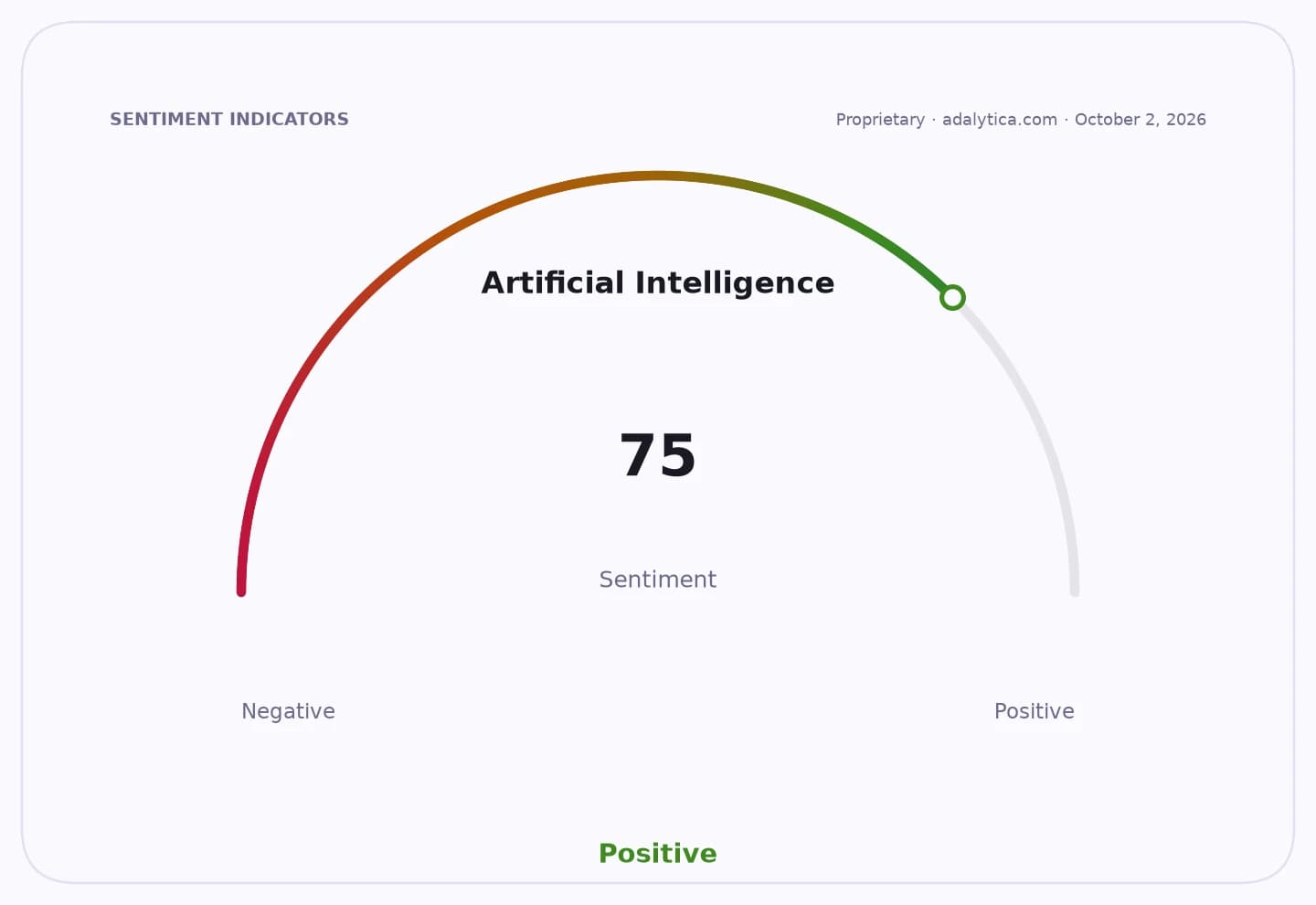
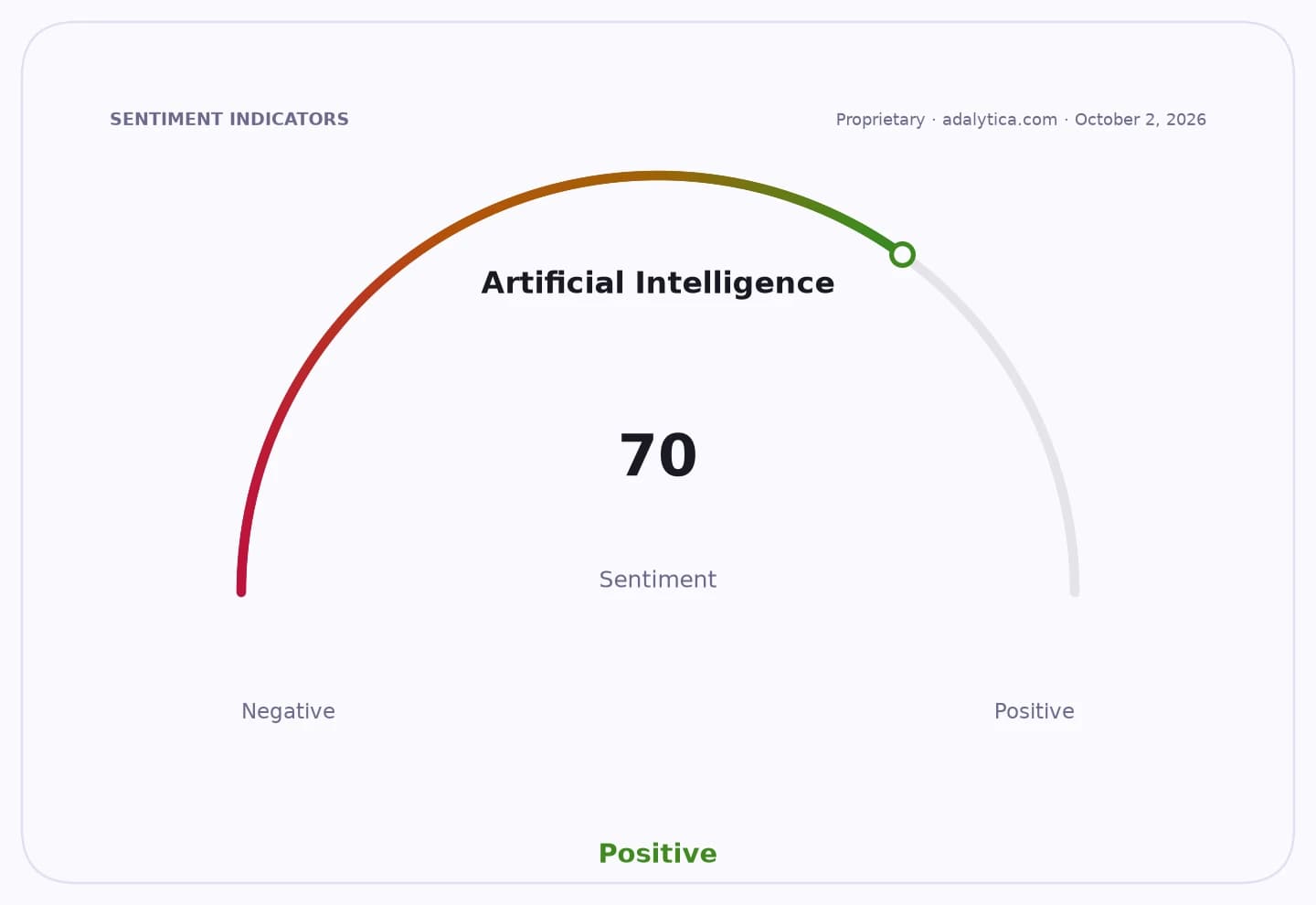
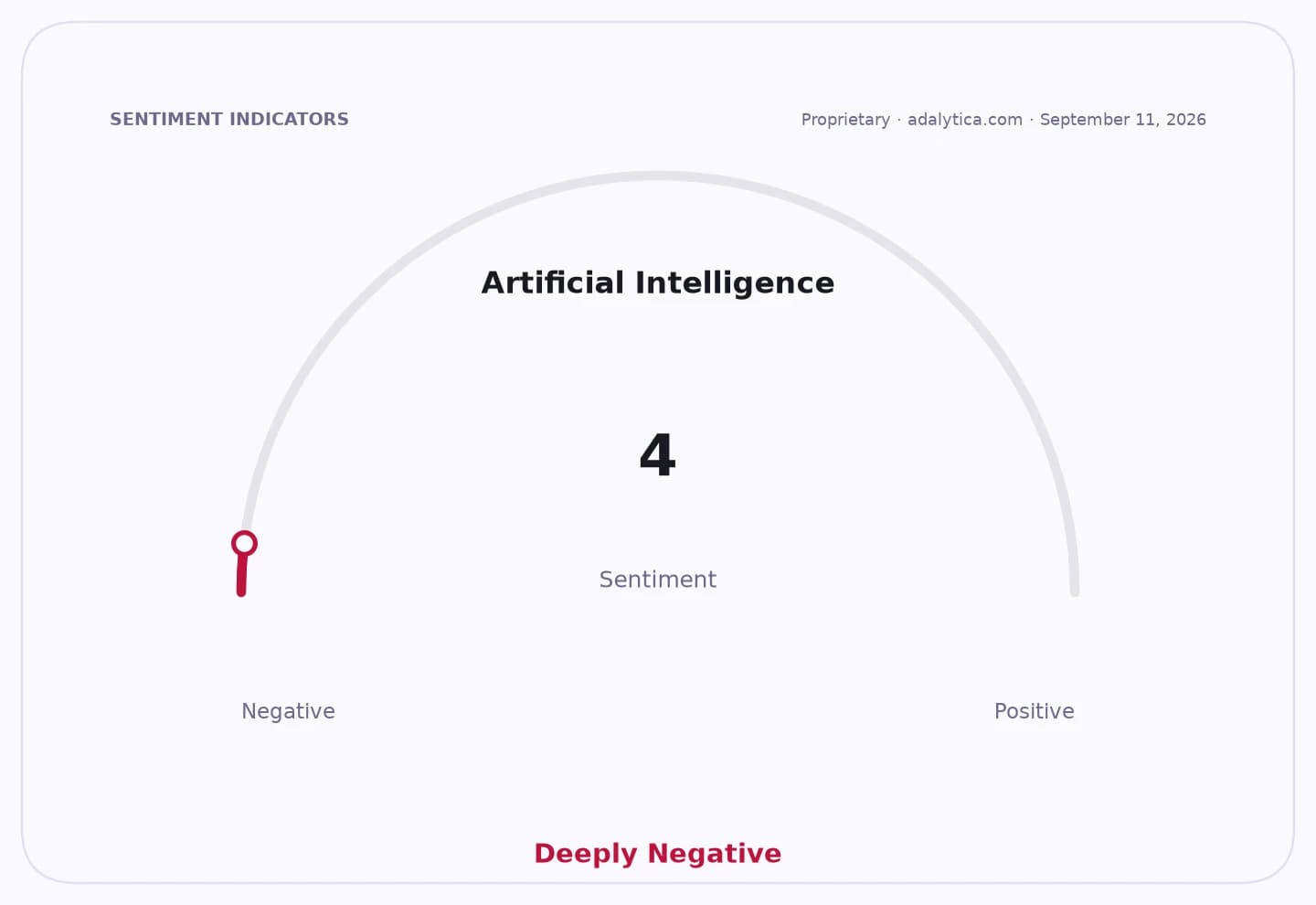
The risk for investors is that enthusiasm can outrun earnings. Adalytica’s AI sentiment gauge is at 100, or “Extreme Greed,” while awareness is only 11, a combination that often marks a crowded narrative rather than a fully validated fundamental shift. Microsoft’s own earnings sentiment reading is only 29, or “Fear,” underscoring that investors remain focused on execution, margins and the pace of monetization rather than just the AI theme itself. In practical terms, public-sector partnerships can take months or years to translate into billings, and procurement friction, regulation and budget constraints can delay the payoff.
Still, the narrative is clear: AI is moving from a boardroom and developer story into a government operating model story. If the partnership leads to more standardized training, deployment and compliance frameworks, it could give the hyperscalers a longer-duration revenue stream and deepen switching costs inside the public sector. For investors, that is less about one deal and more about confirming that AI demand is broadening beyond consumer excitement and into institutional budgets.
| Entity | Gains | Losses |
|---|---|---|
| Microsoft | ▲Public-sector cloud demand | ▼Near-term margin pressure |
| Alphabet | ▲Government cloud foothold | ▼Microsoft incumbency |
| Amazon | ▲Compute and infra orders | ▼Slower app-level monetization |
| Taxpayers/agencies | ▲AI training and efficiency | ▼Procurement delays |