Microsoft is warning travelers that free hotel Wi‑Fi can expose sensitive data and even drain bank accounts in a single click, underscoring how basic public-network mistakes remain a live cybersecurity risk for consumers and businesses alike.
Microsoft warns on hotel Wi-Fi security risks
The message matters because the same weak points that make hotel hotspots attractive to hackers also make corporate endpoints, cloud logins and employee devices vulnerable. For Microsoft, which sells security software across Windows, cloud and identity products, the warning reinforces a broader pitch that online safety is now a day-to-day operating expense, not an optional add-on.
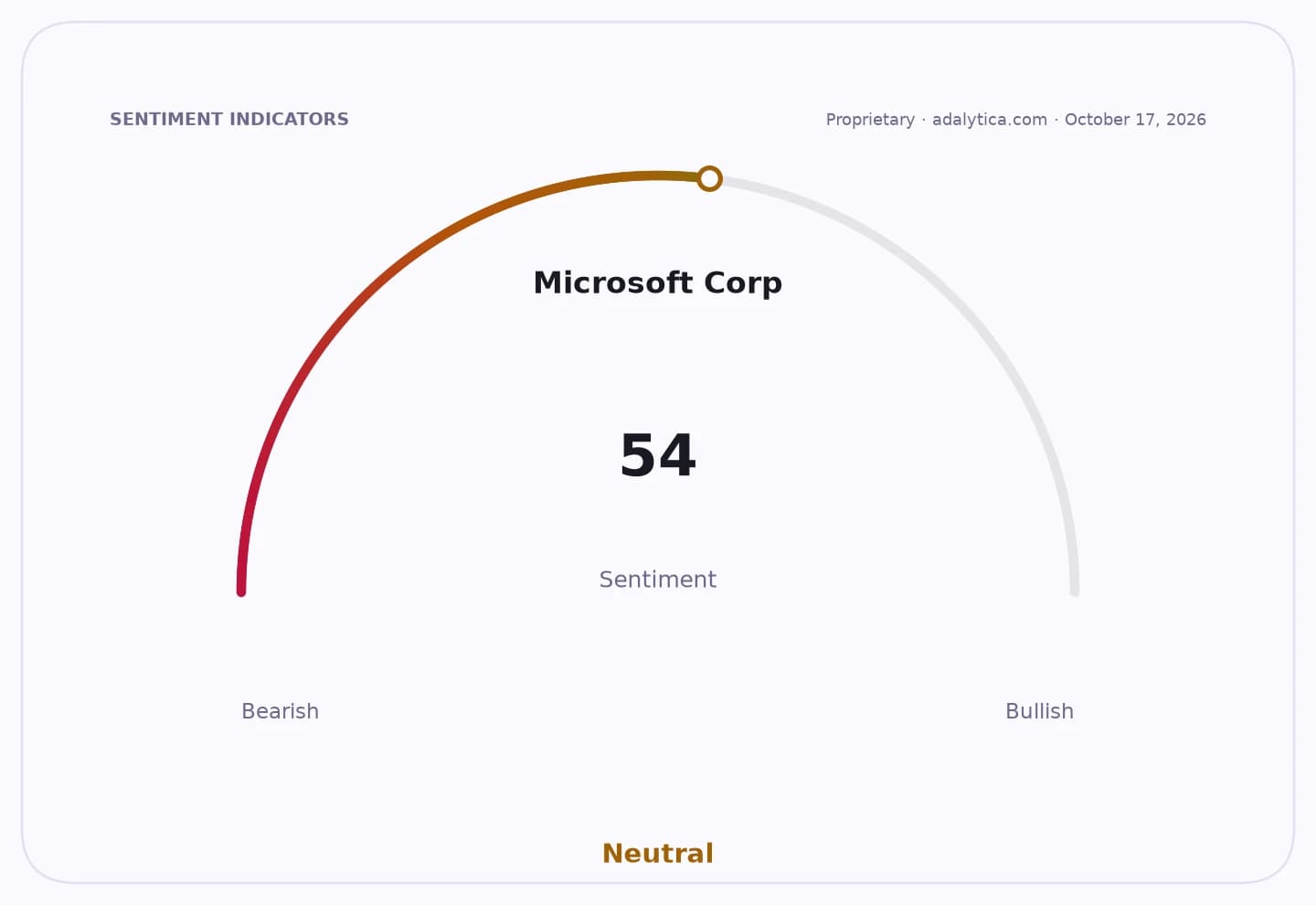
Sentiment IndicatorsⓘProprietary · adalytica.com · August 27, 2026
This is a snapshot — live sentiment, awareness and momentum for 130+ markets update continuously in the dashboard.Open AlphaPulse
The timing also lands as investors continue to track cybersecurity demand and AI-related security spending. Microsoft shares closed at $504.55 on Aug. 27, above both the 50-day moving average of $427.26 and the 200-day average of $429.34, after rebounding sharply from June’s lows, while RSI readings near 53.9 suggest the stock is no longer deeply oversold. But Adalytica’s Microsoft Earnings Sentiment snapshot shows extreme caution, with sentiment at 18 and awareness at 14, both in “Fear” territory after a steep 7-day drop.
That mix leaves investors focused on whether heightened security awareness translates into more spending on Microsoft’s defense stack and on peers such as Palo Alto Networks and CrowdStrike. PANW shares jumped to $385 on Aug. 27 after a volatile summer, while CRWD rose to $226.15, reflecting a market that still rewards security vendors when threat concerns intensify.
The broader narrative is that even as WiFi 7 and faster connectivity gain traction, the security gap around public networks remains wide enough to keep endpoint protection, identity tools and secure access software in focus. For investors, the key catalyst is whether Microsoft can turn that risk into higher security attach rates without losing momentum elsewhere in its cloud and AI business.
| Entity | Gains | Losses |
|---|---|---|
| Microsoft | ▲More security demand | ▼Privacy breach scrutiny |
| Cybersecurity vendors | ▲Higher spending interest | ▼If threat urgency fades |
| Travelers using free Wi‑Fi | ▲Lower connectivity costs | ▼Data and account risk |
| Hotels/public networks | ▲Easier guest access | ▼Reputation from breaches |