Microsoft has secured a 20-year electricity supply agreement with NiSource that effectively clears a major hurdle for its planned data center buildout in northern Indiana: power.
Microsoft secures 20-year power deal with NiSource
That matters because the AI race is increasingly a race to secure generation, transmission and grid capacity, and utilities that can finance new load without sticking households with the bill are becoming critical gatekeepers. Microsoft will not begin taking power under the contract until 2028, but the deal is already reshaping the investment case for Indiana’s grid buildout and for the companies positioned to supply the infrastructure around it.
NiSource said the agreement will add about 1.1 gigawatts to its power portfolio and will run through a new large-load rate structure designed to shield existing customers from higher bills. In other words, the hyperscaler pays for the generation and infrastructure needed to serve its own campus. That model is increasingly important as data centers push electricity demand higher across the U.S. and Europe, forcing utilities and regulators to decide who absorbs the cost of the AI boom.
The deal also includes 600 megawatts of battery storage under a tolling agreement, to be built by an affiliate of AGP Group. That adds another layer of certainty for a grid that needs flexible capacity, not just raw megawatts. For NiSource, the contract is not just a customer win; it is a long-duration capital deployment story with visible returns tied to a creditworthy counterparty. For Microsoft, it is a way to keep scaling cloud and AI infrastructure without triggering the political and regulatory backlash that can come with rising local power prices.
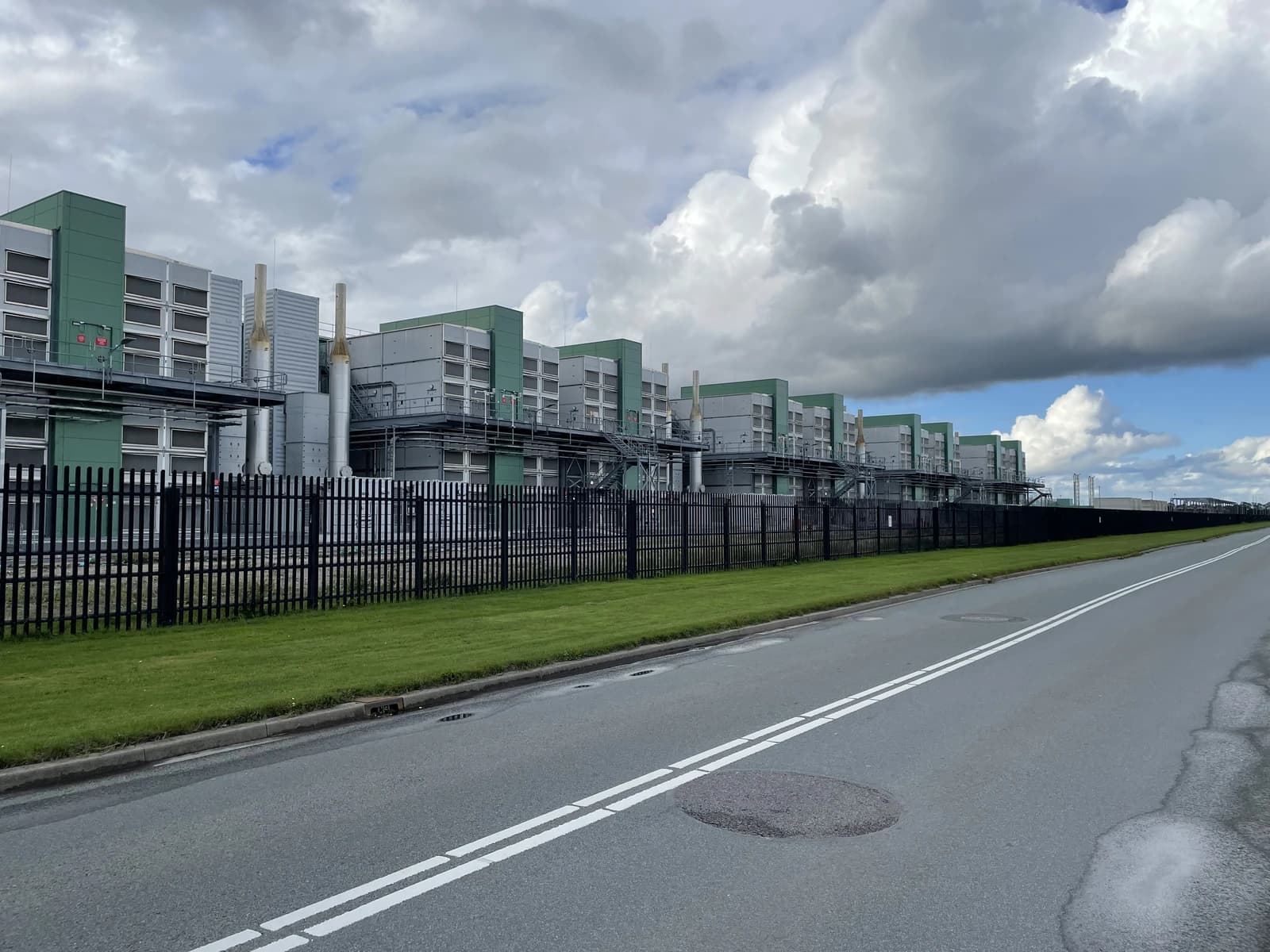
The likely destination is Microsoft’s planned La Porte campus, where the company has already mapped out a large-scale build on hundreds of acres and later expanded its footprint. The company has also accumulated land in Mishawaka, underscoring how aggressively it is positioning for the next phase of AI infrastructure demand in the Midwest.
For investors, the message is straightforward: the bottleneck in AI is no longer only chips and software, but power access. Utilities with buildout capacity, battery partners and transmission expertise stand to benefit, while regions that cannot deliver reliable electricity on acceptable terms risk losing the next wave of investment. Microsoft’s agreement with NiSource is another sign that the winners in AI will be the companies controlling the grid, not just the workloads.
| Entity | Gains | Losses |
|---|---|---|
| Microsoft | ▲Secured long-term power | ▼Near-term capex burden |
| NiSource | ▲20-year load growth | ▼Execution and buildout risk |
| AGP Group affiliate | ▲600 MW storage contract | ▼Limited visibility if delays hit |
| Existing Indiana ratepayers | ▲Rate protection | ▼Little direct upside |