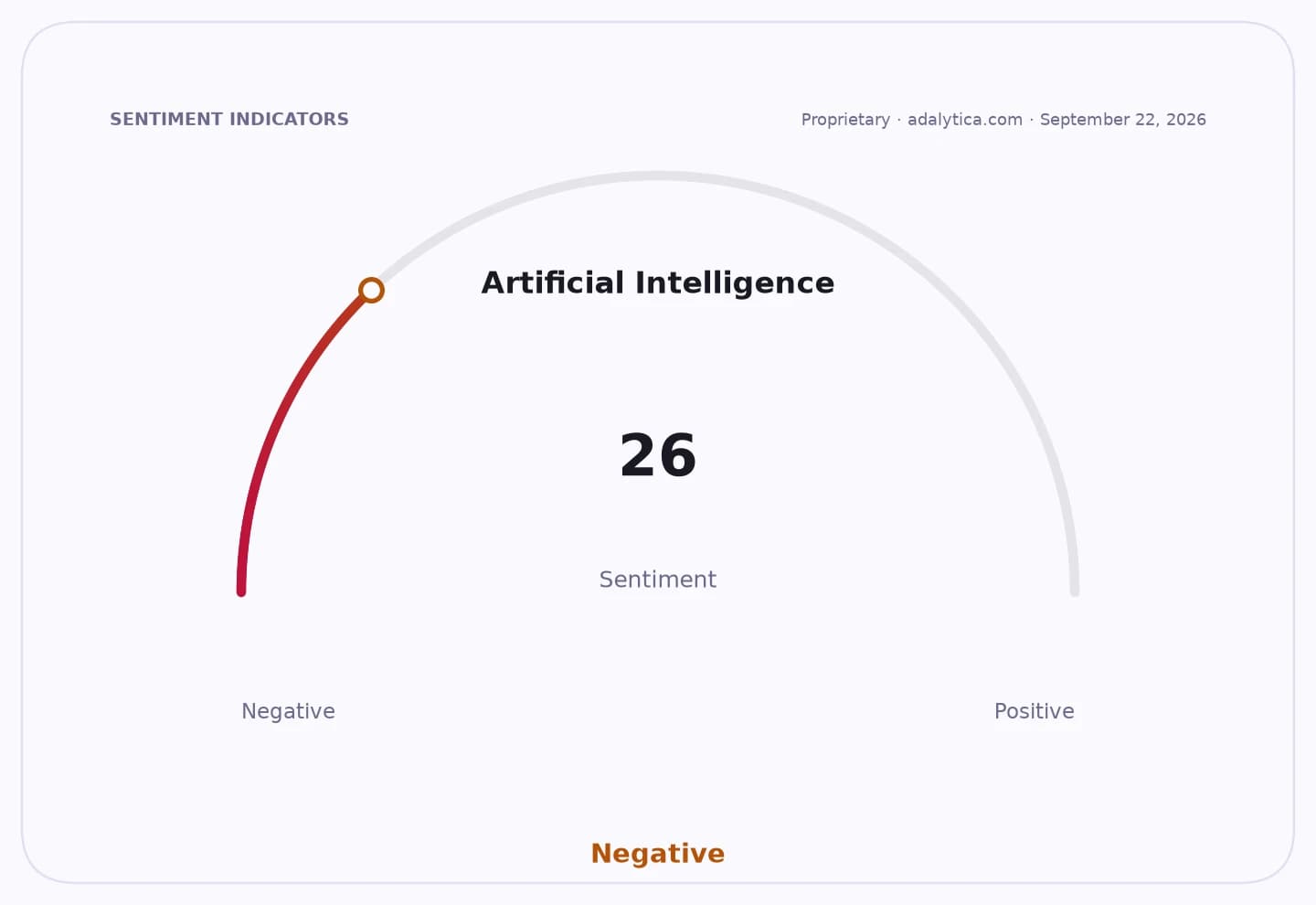
AI’s biggest near-term economic impact is no longer just on software and chips — it is moving into classrooms, institutions and human relationships, where universities and policymakers are now trying to set the rules. That is the message from a three-day conference in Campania that brought together 400 scholars from 50 universities across 10 countries to debate how artificial intelligence is reshaping affection, learning and educational settings.
Microsoft, Nvidia Face Rising AI Regulation Risks

The REN Conference, hosted by Università Pegaso between Naples and Ischia, centered on “algorithmic beats” and affective education in the age of the fourth industrial revolution. The gathering reflects a broader shift in the AI story: beyond productivity gains and corporate margins, the technology is increasingly raising questions about governance, intellectual property, safety and social behavior.
For investors, that matters because AI adoption is broadening the addressable market for infrastructure and applications, while also increasing the regulatory and reputational risks for companies that build or deploy the technology. Microsoft, which has long tied its growth strategy to AI, has warned in filings that AI systems can create legal, regulatory, litigation and brand risks; Nvidia has highlighted the growing patchwork of rules around frontier AI hardware and software.
The academic focus in Campania also mirrors policy efforts elsewhere, including the launch of the Atlantic AI Institute in Canada, where researchers are pushing “responsible” AI development and trying to balance innovation with ethics and copyright concerns. That points to a market where demand for AI tools is still growing, but the compliance burden is rising too.
Microsoft shares recently traded around $499.70, above both the 50-day average of $443.56 and the 200-day average of $429.37, after a sharp recovery from a June low near $352.17. Nvidia closed at $230.36, near its 50-day average of $210.57 and above its 200-day average of $196.53, while AI software group C3.ai ended at $10.46, just below its 200-day average of $10.63, underscoring how uneven the market’s AI trade has become.
The next catalyst for the sector is not just another earnings report or product launch, but whether regulators, universities and corporate buyers can turn AI’s social and ethical concerns into workable standards without slowing adoption.
| Entity | Gains | Losses |
|---|---|---|
| Universities and researchers | ▲New funding and policy relevance | ▼Pressure to regulate faster |
| AI developers such as Microsoft and Nvidia | ▲Broader adoption opportunities | ▼Higher compliance and litigation risk |
| Students and workers | ▲Potential learning and productivity gains | ▼Risk of bias, misuse and dependence |
| Regulators and policymakers | ▲Stronger role in setting standards | ▼Need to keep pace with rapid change |