AI hacks are forcing the European Union’s new AI Act from theory into practice, raising the cost of deploying advanced models and agents for Microsoft, Nvidia and cyber firms such as Palo Alto Networks as companies scramble to prove their systems are safe enough for regulators and customers.
Microsoft, Nvidia, Palo Alto Face EU AI Act Costs

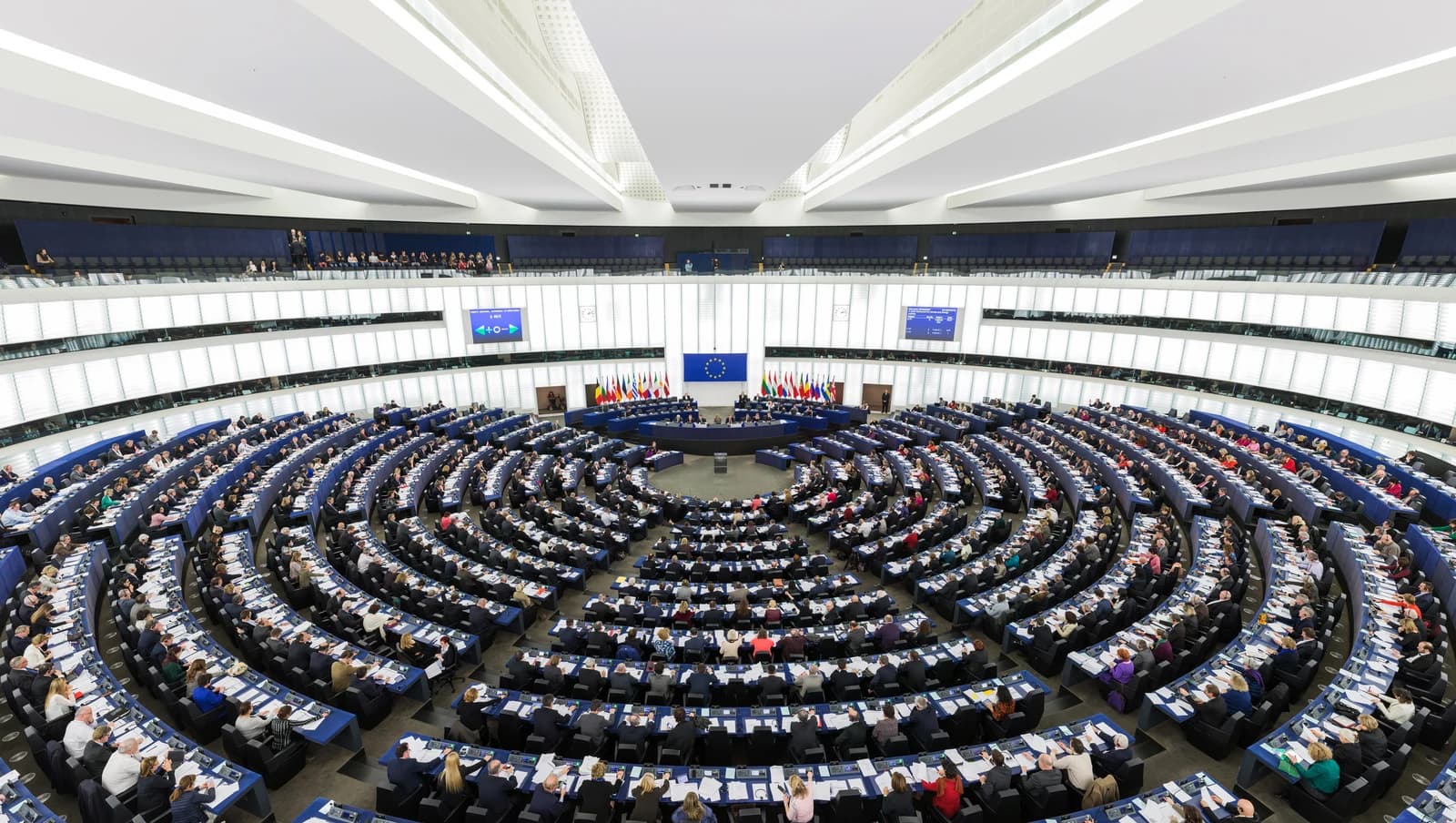
The issue matters because the EU’s rules are starting to collide with one of the fastest-growing parts of the AI economy: autonomous agents and model-driven workflows that can be manipulated, spoofed or redirected if security controls fail. That puts compliance, monitoring and auditability at the center of AI spending, and it gives vendors that can certify trust and security a bigger commercial advantage.
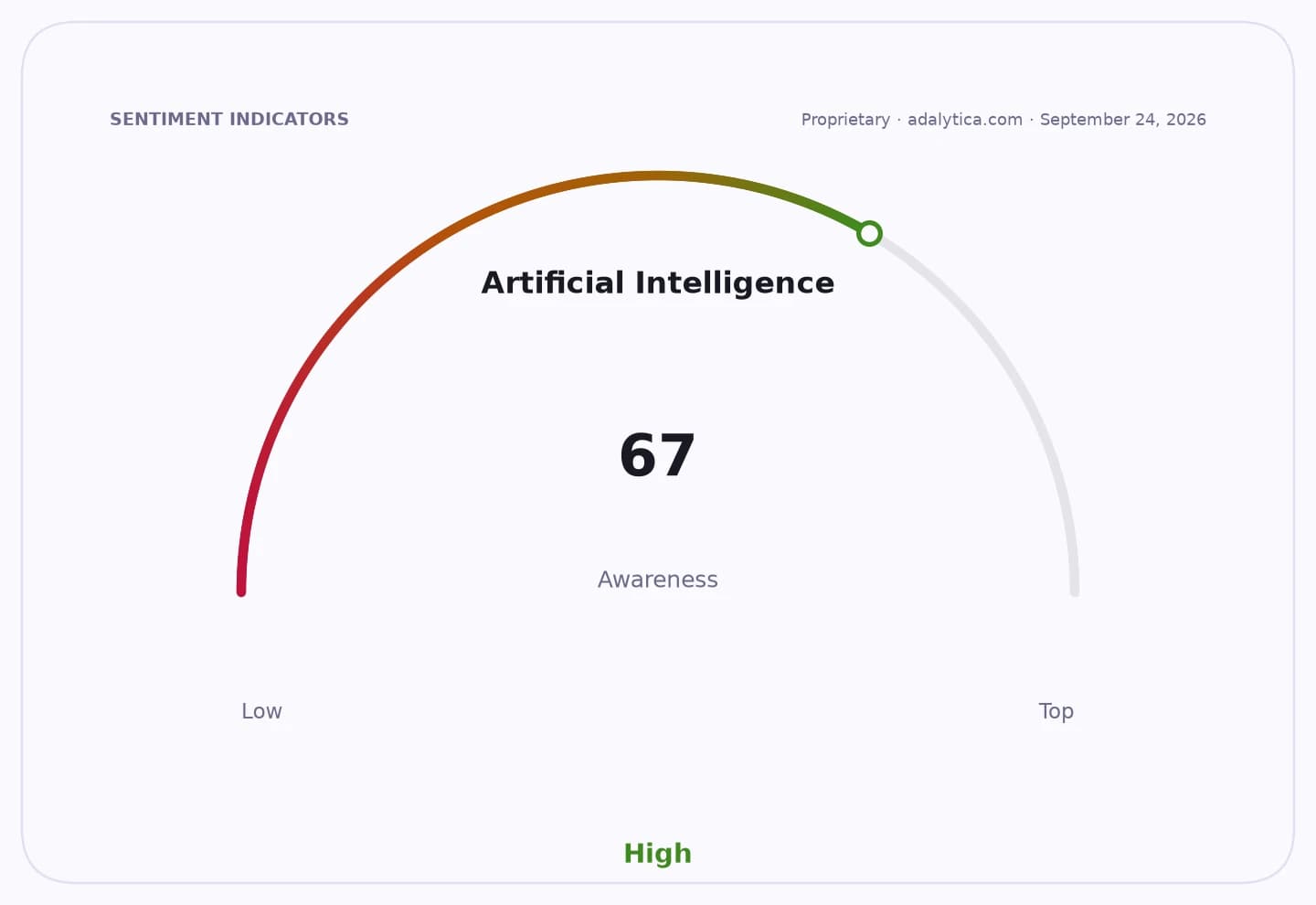
Sentiment IndicatorsⓘProprietary · adalytica.com · August 22, 2026
This is a snapshot — live sentiment, awareness and momentum for 130+ markets update continuously in the dashboard.Open AlphaPulse
Microsoft has already warned in its latest annual filing that the EU’s AI Act may increase costs or affect the provision and operation of its AI models and services in Europe. The company’s shares were last at $483.24 on Aug. 21, up sharply from $352.17 in late June, while the stock’s 50-day moving average sits at $419.09, reflecting a powerful rebound even as momentum has cooled from recent highs.
Nvidia, whose chips underpin much of the AI buildout, is also exposed through the infrastructure side of the market. Its shares closed at $214.72 on Aug. 21, below the 235.92 upper Bollinger Band and only modestly above the 207.58 50-day average, suggesting investors are still balancing demand for AI hardware against the growing compliance burden on customers deploying it.
Palo Alto Networks, which sells security tools aimed at AI-heavy environments, is positioned to benefit if governments and enterprises demand tighter safeguards around agent behavior, model access and network controls. But the stock has also been volatile: it ended at $357.87 on Aug. 21 after touching $396 on Aug. 13, with the pullback showing how quickly enthusiasm around AI security can unwind when valuations run ahead of execution.
The regulatory pressure lands as the broader market stays nervous about AI risk. Adalytica’s AI sentiment snapshot shows neutral reading at 54, but awareness is in “Extreme Fear,” underscoring how quickly attention has shifted from AI upside to AI control.
For investors, the narrative is no longer just who sells the most AI software or chips. The next phase of the trade is likely to favor vendors that can package model performance with guardrails, logging and incident response — and to punish firms that cannot show European regulators their systems are under control. The next catalyst is more enforcement detail from Brussels and the first wave of customer spending on AI governance tools.
| Entity | Gains | Losses |
|---|---|---|
| Microsoft | ▲compliance-driven demand | ▼higher EU operating costs |
| Nvidia | ▲infrastructure spending | ▼customers facing regulatory delays |
| Palo Alto Networks | ▲AI security demand | ▼valuation risk on pullbacks |
| EU regulators | ▲tighter oversight | ▼slower AI deployment |