Microsoft is working on a broad round of Windows 11 performance improvements aimed at making PCs start faster, making Windows Hello more responsive and smoothing out the experience on machines with just 8GB of RAM, a practical fix that could help revive demand for older Windows laptops and ease one of the biggest frustrations holding back user satisfaction.
Microsoft Windows 11 updates aim to improve PC performance

That matters because Windows remains the default operating system for the world’s installed PC base, and small gains in responsiveness can have outsized economic effects when they improve device longevity, reduce support complaints and make lower-end hardware feel usable again. For Microsoft, the push also helps defend Windows against the long-running perception that each new release is heavier on resources and more demanding on hardware.
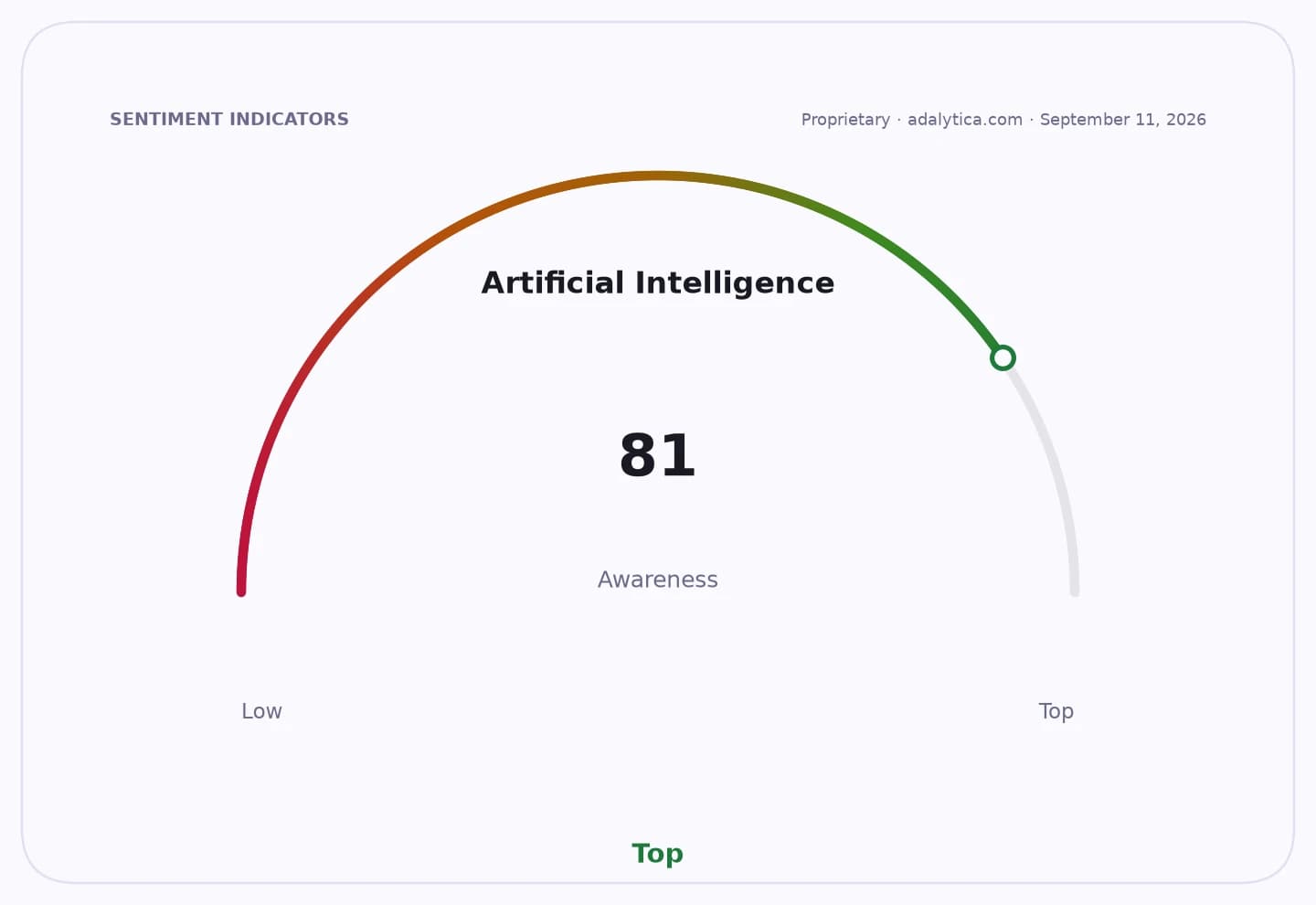
Sentiment IndicatorsⓘProprietary · adalytica.com · September 10, 2026
This is a snapshot — live sentiment, awareness and momentum for 130+ markets update continuously in the dashboard.Open AlphaPulse
The company has not given exact speed targets or a release date, saying the changes will arrive through future Windows updates. Even so, the direction is clear: Microsoft is trying to make Windows 11 feel lighter, not just newer. That is important in a market where consumers and enterprise buyers alike are extending refresh cycles, and where software friction can delay upgrades or push buyers toward competing platforms.
For investors, the key question is whether better Windows performance can support the broader Windows and devices ecosystem without forcing a costly hardware cycle. If Microsoft can materially improve the experience on 8GB machines, it strengthens the installed base, supports Windows adoption, and reduces the risk that users treat software updates as a reason to wait for a new PC. That is especially relevant for OEMs, surface hardware, accessory makers and app developers that depend on a healthy Windows ecosystem.
The market is still underestimating how much operating-system quality matters in the next phase of the PC cycle. AI is pulling capital toward the cloud and semiconductors, but the edge still matters: if Windows becomes faster and more efficient on mainstream PCs, Microsoft protects one of its most durable cash-generating franchises while keeping millions of devices in service longer. That is a quiet but meaningful tailwind for the ecosystem.
Microsoft shares have already been volatile, with the stock recently trading around $491.65, above both its 50-day and 200-day moving averages, while technical readings such as RSI remain elevated enough to suggest investors are still paying up for the AI story. Against that backdrop, Windows 11 improvements are not a headline-grabbing catalyst on their own, but they reinforce a larger thesis: Microsoft’s moat is widening not only through AI, but through the unglamorous work of making its core software better, faster and stickier.
The next catalyst is the rollout of those updates in coming Windows releases. If Microsoft delivers visible performance gains without requiring new hardware, it could quietly extend the life of the PC base, support upgrade demand and give Windows a sharper competitive edge just as investors continue to focus on the company’s AI upside. For long-term investors, that combination of defensive durability and optionality is exactly where asymmetric opportunity tends to appear.
| Entity | Gains | Losses |
|---|---|---|
| Microsoft | ▲Stickier Windows base | ▼Less hardware churn pressure |
| PC users | ▲Faster older PCs | ▼Fewer reasons to upgrade |
| OEMs | ▲Longer device relevance | ▼Softer replacement cycle |
| Competing platforms | ▲None | ▼Windows ecosystem stays stronger |