MicroStrategy’s relentless Bitcoin buying is getting harder to ignore, and that is exactly why the stock remains a high-stakes story for investors.
MicroStrategy at $93.28 Tracks Bitcoin Weakness

What began as a corporate treasury experiment has become a live referendum on whether one company can keep using debt, equity and operating cash flow to build a leveraged claim on Bitcoin. When Bitcoin slips below $63,000 and crypto sentiment turns cautious, every fresh purchase by Michael Saylor’s MicroStrategy sharpens the debate: is this a brilliant long-term accumulation strategy, or a balance-sheet risk that gets more expensive when the market turns?
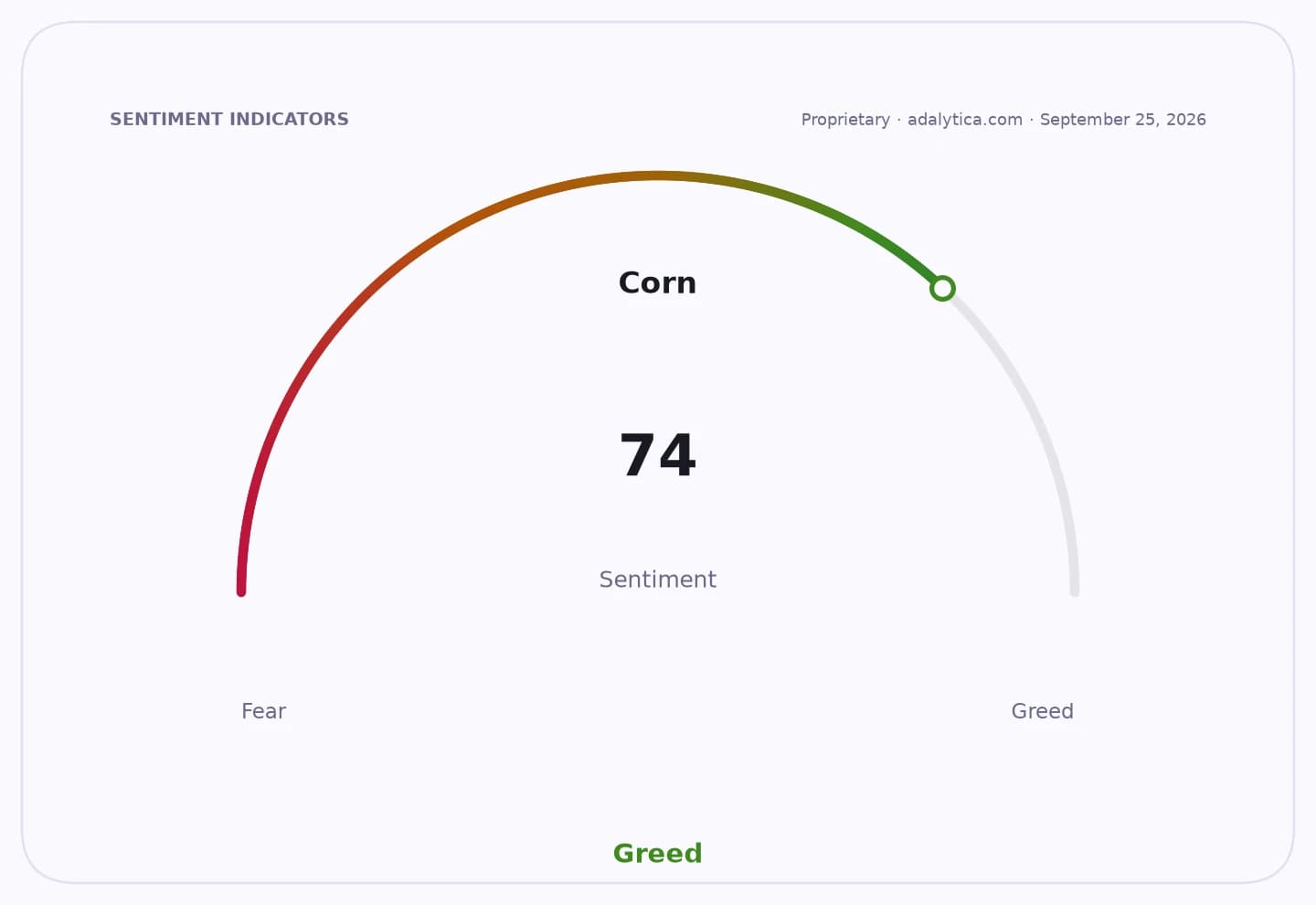
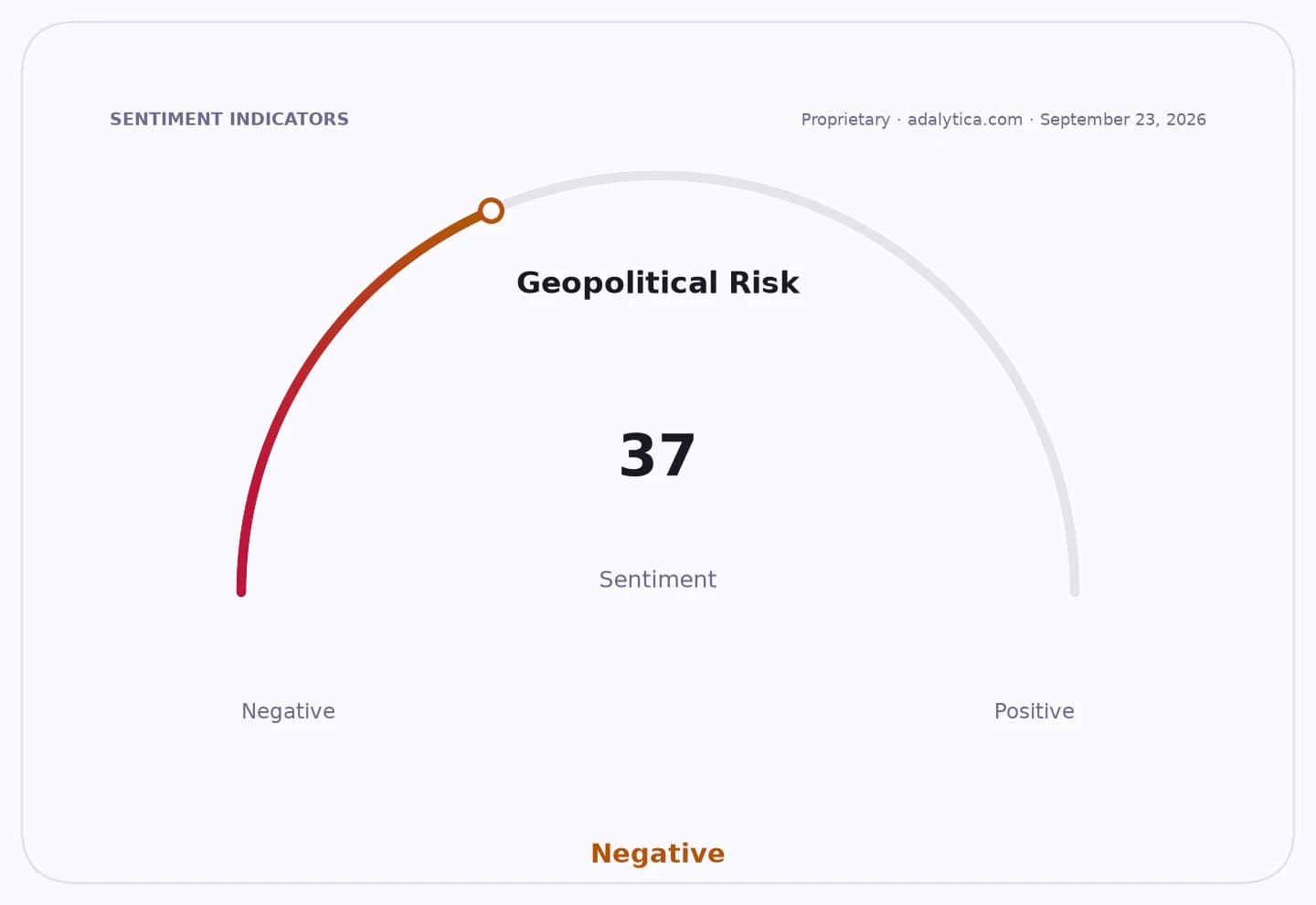
Sentiment IndicatorsⓘProprietary · adalytica.com · August 3, 2026
This is a snapshot — live sentiment, awareness and momentum for 130+ markets update continuously in the dashboard.Open AlphaPulse
The answer matters because MicroStrategy is no longer just a software company with a side bet. It has become one of the clearest public-market proxies for Bitcoin, and that means the stock often trades less on software fundamentals than on the direction of the token and investor appetite for crypto leverage. With Bitcoin around $62,467 on the latest reading, down below its 50-day moving average of roughly $63,286 and still well under its 200-day average near $70,960, the backdrop is weak for anyone trying to defend aggressive buying near the highs.
That weakness is showing up in the stock too. MicroStrategy last closed at $93.28, far below its 50-day average of about $112.68 and its 200-day average near $157.84. The shares have also been stuck in a broad downtrend, and standard technical gauges such as RSI readings and MACD remain soft rather than supportive. For investors, that combination matters because it tells you the market is still pricing in real doubt about the durability of the Bitcoin accumulation thesis, not just ordinary volatility.
And yet the long-term case for the strategy is easy to understand. If you believe Bitcoin is a scarce digital asset with staying power, then buying more during weakness can be the right move, especially for a company willing to think in years rather than weeks. Saylor’s approach is built on that idea. Each purchase increases MicroStrategy’s exposure to a potential future in which Bitcoin is more widely adopted, more institutionally owned and potentially much more valuable than it is today.
But there is a catch investors should not gloss over. Bitcoin’s recent slide comes alongside concerns about weak ETF demand and broader crypto-market fragility, including security worries and shifting fund flows. In other words, the market is not just repricing Bitcoin — it is repricing confidence. For a company so tightly linked to one asset, that can quickly feed into financing flexibility, valuation and sentiment.
For long-term investors, the real question is not whether MicroStrategy will keep buying. It almost certainly will. The question is whether you want to own a company that has effectively turned itself into a leveraged Bitcoin holding vehicle with a software business attached. That can be explosive on the way up, and punishing on the way down.
If you are bullish on Bitcoin over a multi-year horizon, MicroStrategy remains a compelling, if volatile, way to express that view. If you are not, the stock is probably best left on the watchlist. Either way, this is a name that rewards patience, conviction and a strong stomach.
| Entity | Gains | Losses |
|---|---|---|
| MicroStrategy bulls | ▲More Bitcoin per share | ▼Higher volatility |
| Bitcoin bears | ▲Short-term weakness confirmed | ▼Rally risk on any rebound |
| Bitcoin holders | ▲A visible corporate buyer | ▼More leveraged speculation |
| Saylor/MicroStrategy | ▲Long-term accumulation thesis | ▼Near-term balance-sheet scrutiny |