Javier Milei’s trip to Santiago puts his foreign policy front and center as Argentina’s president pairs a high-profile meeting with Chilean conservative José Antonio Kast with a separate U.S. contact just as Washington comments on the Falkland Islands raise the diplomatic stakes.
Milei meets Kast in Santiago as U.S. ties deepen
The visit matters economically because Milei is using regional and U.S. ties to reinforce the market-friendly, pro-Western political bloc that has underpinned investor expectations for Argentina since his election. With domestic growth still uneven and social pain mounting, the administration is leaning on foreign alignment to sustain confidence in its policy program and keep the country open to capital, trade and security cooperation.
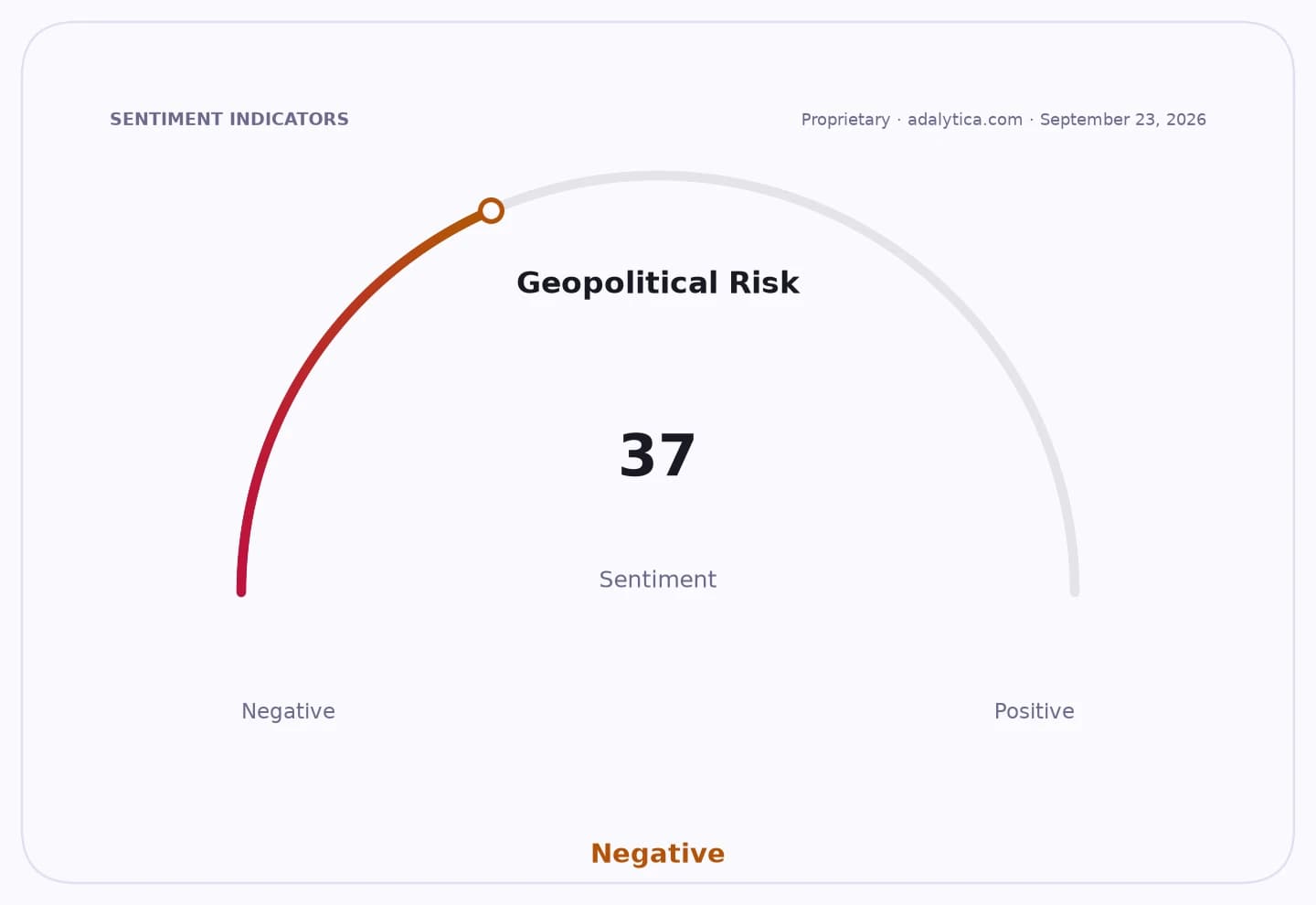
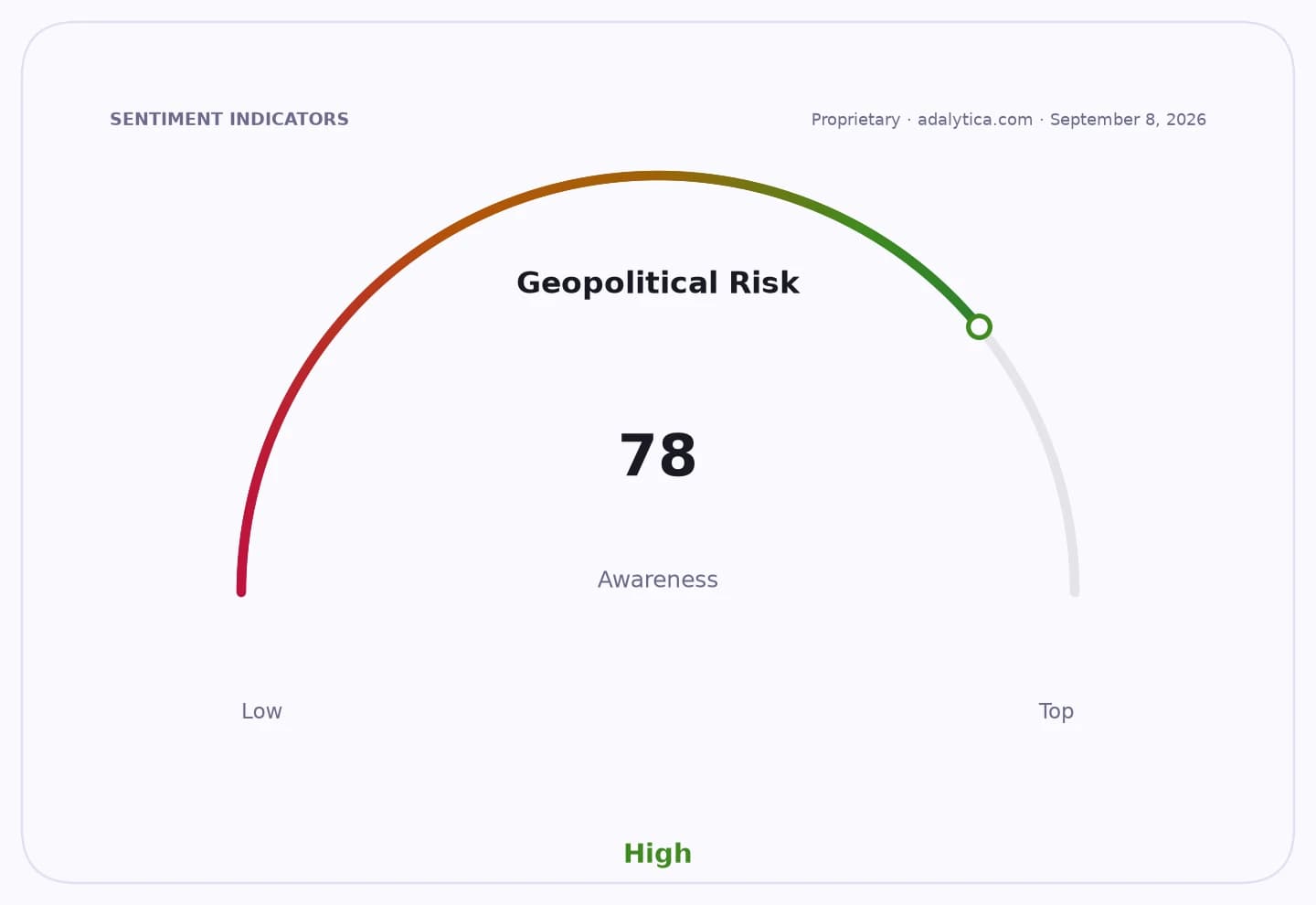
Sentiment IndicatorsⓘProprietary · adalytica.com · September 3, 2026
This is a snapshot — live sentiment, awareness and momentum for 130+ markets update continuously in the dashboard.Open AlphaPulse
Milei is due to speak at the Madrid Forum in Santiago, a gathering organized by Fundación Disenso, the think tank tied to Spain’s Vox party, before meeting Kast at La Moneda. It will be their fourth encounter since Kast’s election, and the agenda includes security, migration and international alignment — areas where both leaders have sought a harder-right, more interventionist posture.
The timing is politically sensitive. The Chile stop comes after a minor dispute over sovereignty around the Strait of Magellan that both governments said was over, but it also precedes Milei’s nationally televised address on Malvinas, adding another layer to a presidency that has made foreign policy a key part of its domestic message.
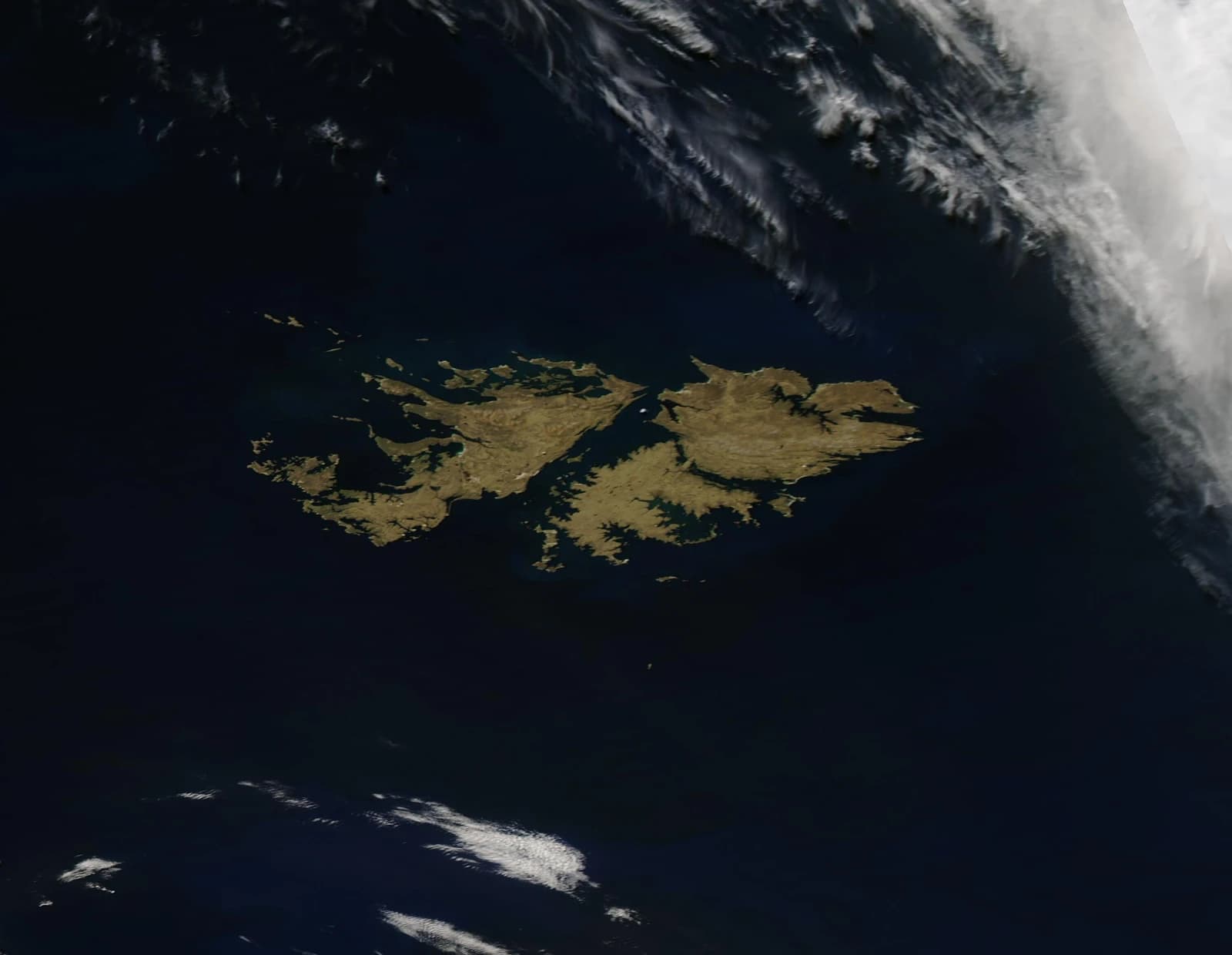
Before seeing Kast, Milei is also set to meet Sarah Rogers, U.S. undersecretary of state for public diplomacy, in a fresh sign that Buenos Aires wants to deepen ties with Washington. The conversation gained extra weight after Donald Trump said the U.S. was “reviewing all positions” on the dispute between Argentina and the U.K. over the Falkland Islands.
For investors, the broader narrative is that Milei is trying to convert ideological alignment into geopolitical backing at a moment when his economic program still needs external credibility. Argentina’s assets have been sensitive to signals on reform durability, foreign support and access to financing, while the government faces pressure from weak data and rising public discontent at home.
The immediate catalyst now is Milei’s evening broadcast on Malvinas, which may clarify how far the government thinks it can push the issue after the Trump remarks. Any signs of closer U.S. support or deeper regional coordination could help sentiment around Argentine risk, while renewed friction or domestic political backlash would keep volatility elevated.
| Entity | Gains | Losses |
|---|---|---|
| Milei government | ▲Foreign-policy credibility | ▼Domestic political heat |
| Kast and Chile’s right | ▲Regional alignment | ▼Diplomatic friction risk |
| U.S.-Argentina ties | ▲Closer cooperation | ▼Policy ambiguity |
| Argentina sovereign risk longs | ▲Better support narrative | ▼Noise from Malvinas dispute |