A proposed rule to lift the minimum wage by inflation plus 1% a year would give low-income workers a small but persistent real income gain, while raising labor costs for employers and adding pressure to public finances over time.
Minimum Wage Proposal Raises Pay Above Inflation
The idea, attributed to policy chief Augusto Cury, matters because it would turn the minimum wage from a passive inflation adjustment into an automatic source of real wage growth. In practical terms, that means the floor for pay would rise faster than consumer prices, which can support household consumption and reduce poverty at the bottom of the income distribution. It also makes the policy harder to reverse once embedded, because each annual adjustment would lock in a structural increase above inflation.
Sentiment IndicatorsⓘProprietary · adalytica.com · August 30, 2026
This is a snapshot — live sentiment, awareness and momentum for 130+ markets update continuously in the dashboard.Open AlphaPulse
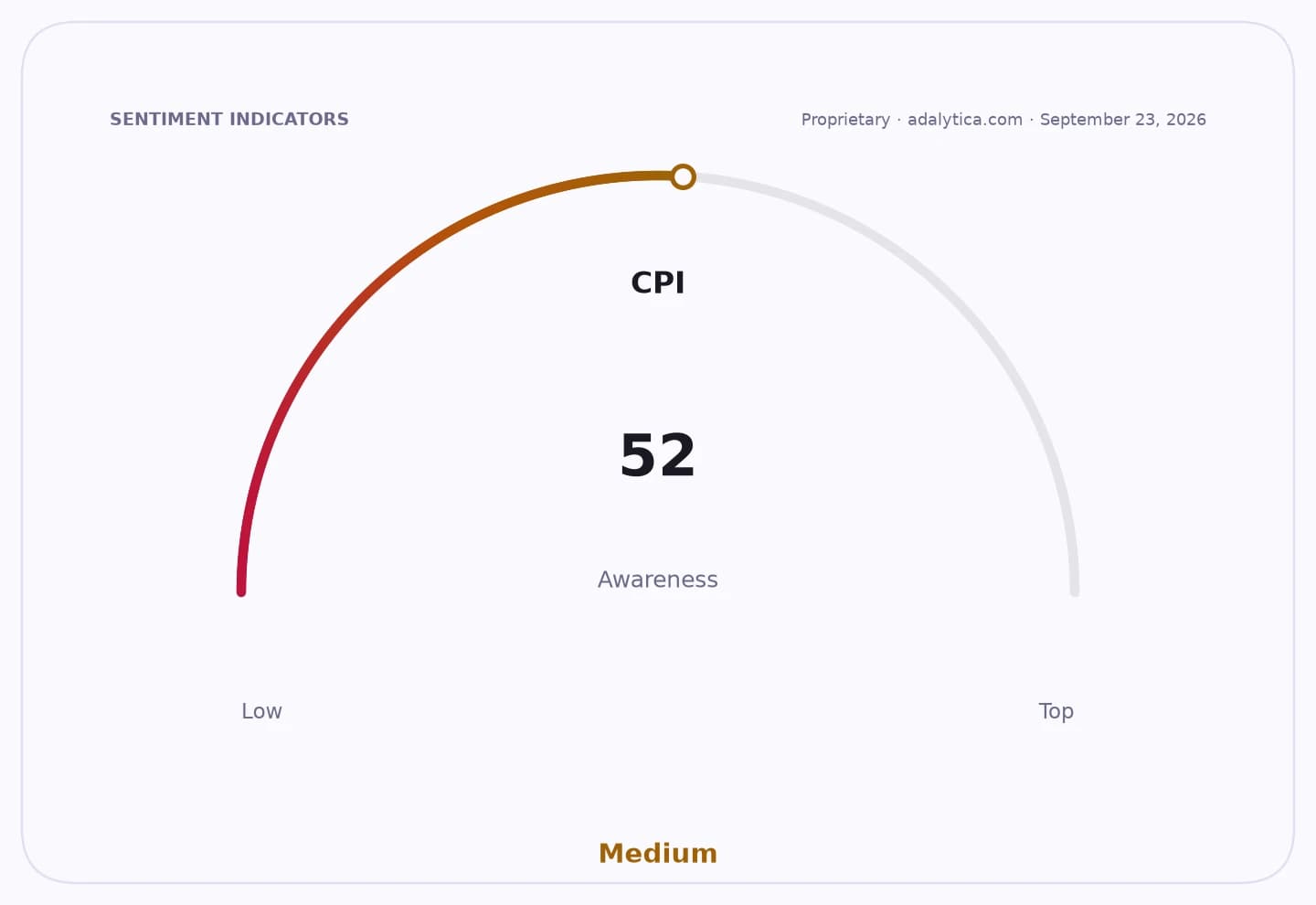
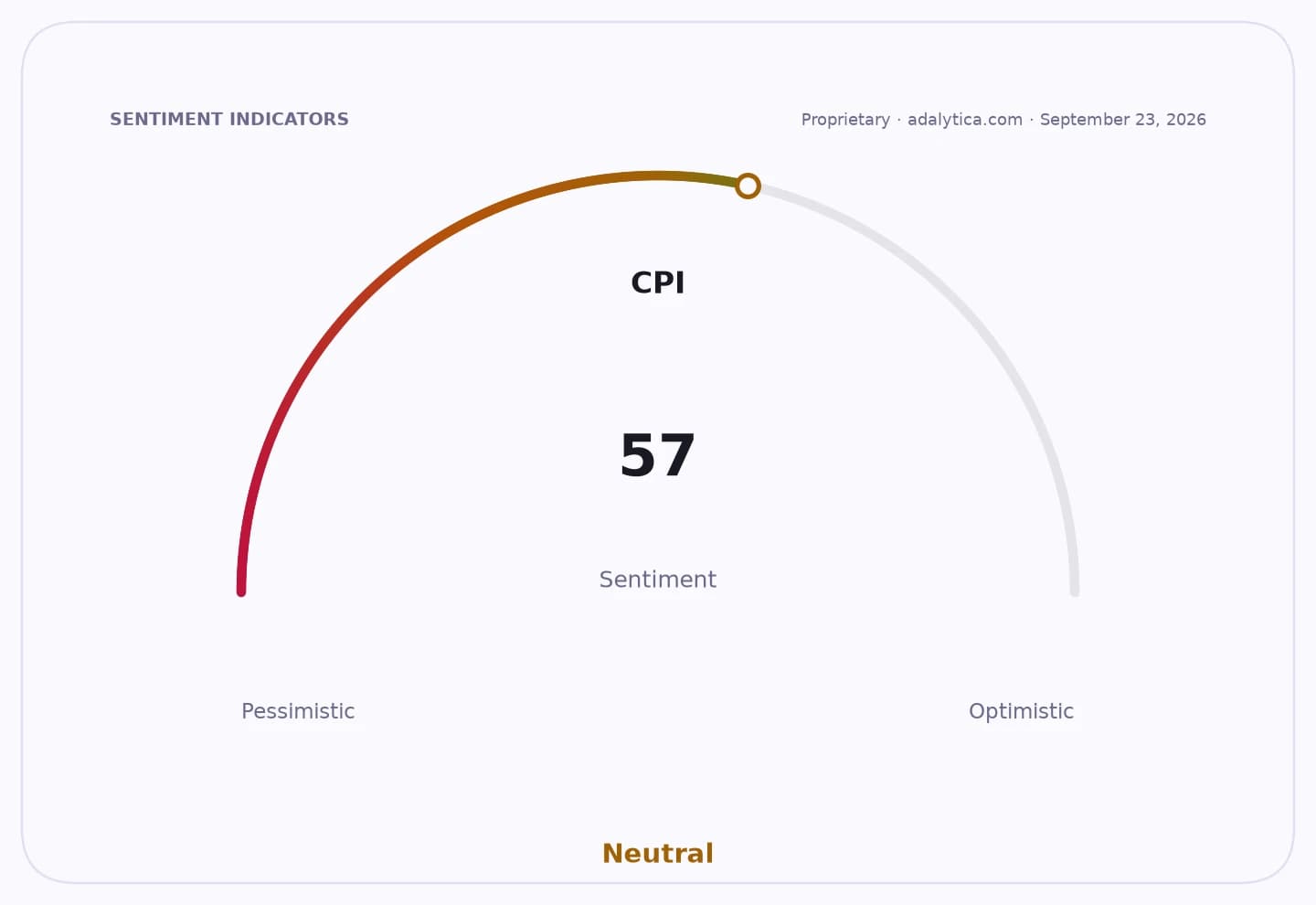
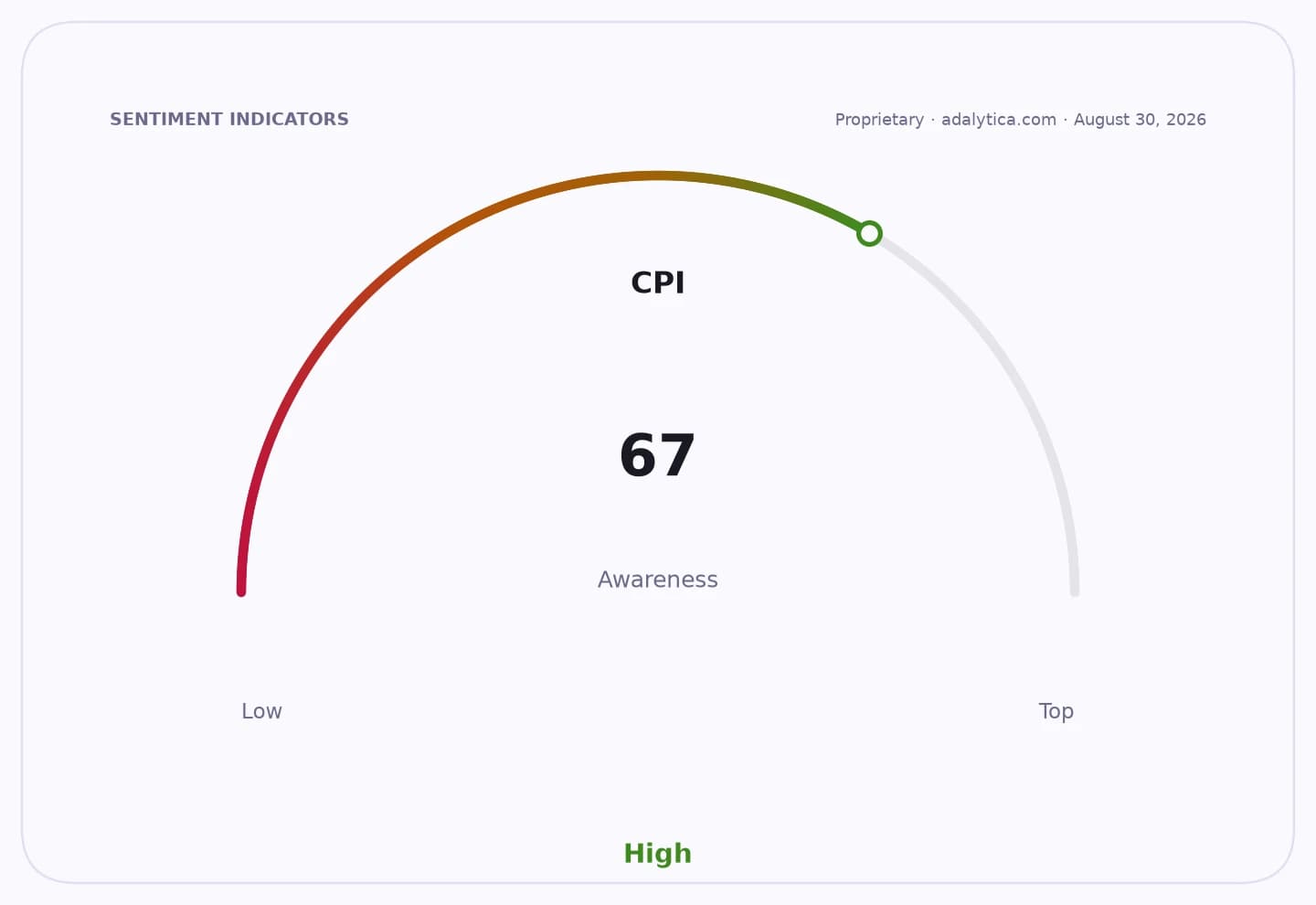
That design is economically significant in a country where inflation has repeatedly eroded purchasing power. Consumer prices, measured by the CPI context provided, are running around 333.97 in the latest forecast, up from 332.81 in July and 333.98 in May after a sharp longer-term rise. For workers paid near the legal minimum, even modest inflation-plus formulas can preserve spending power better than one-off political raises. The debate is therefore not only about wages, but about whether the state wants to guarantee a higher share of growth to lower-paid households.
For investors, the policy has three main channels. First, it can lift consumer demand, especially for staples, retail, utilities and basic services that rely on lower-income spending. Second, it raises payroll costs for labor-intensive industries such as manufacturing, transport, hospitality and small business, which may struggle to pass through higher wages. Third, it affects government budgets because minimum wages often feed into pensions, social transfers and indexed benefits, widening fiscal obligations if growth and tax revenue do not keep pace.
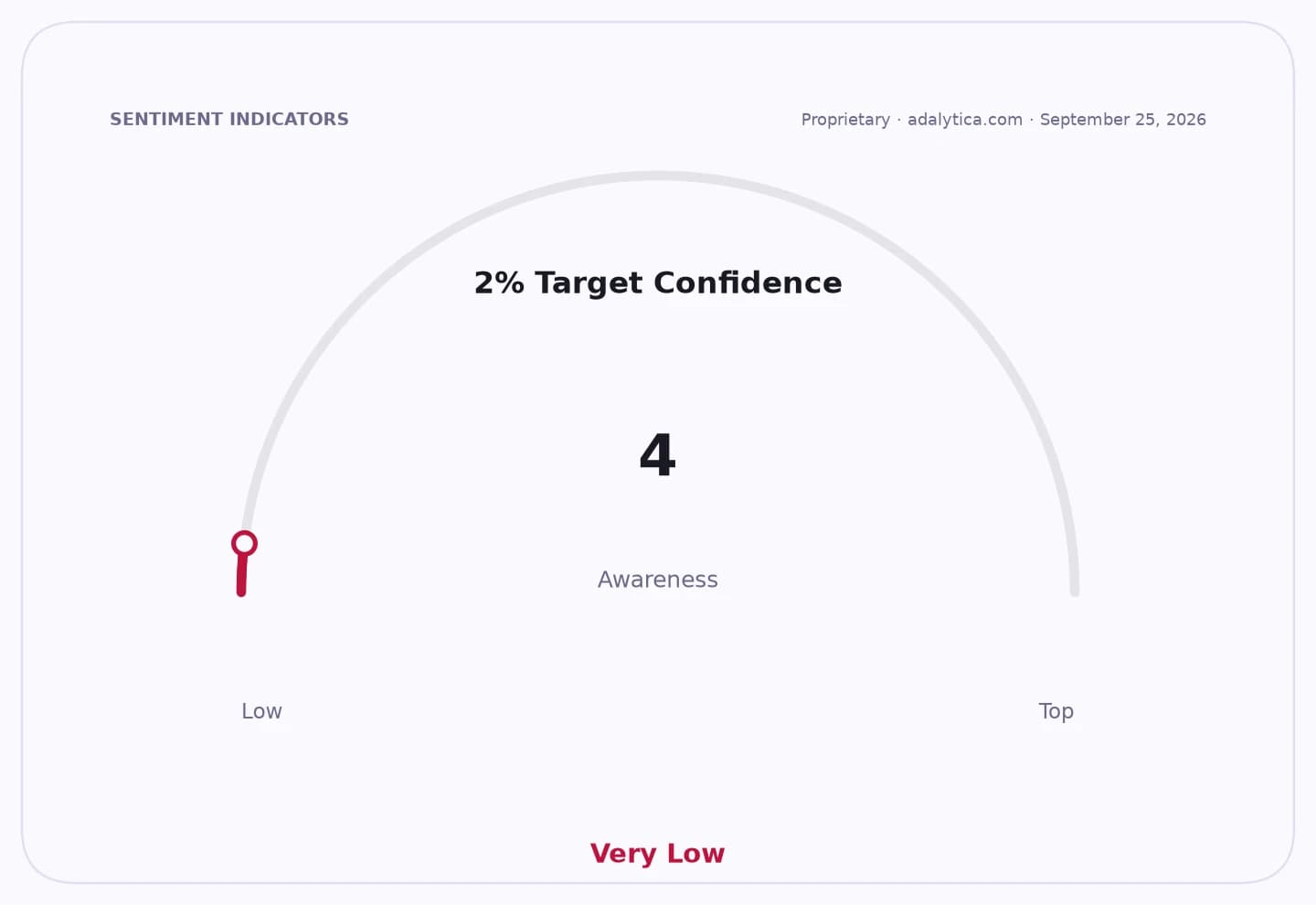
The macro backdrop is mixed. Unemployment has eased to 4.1% in the latest reading, down from 4.2% and 4.3% in the previous two months, suggesting the labor market is not under immediate distress. That gives policymakers more room to defend a wage floor increase. But inflation confidence indicators in the data are fragile: Adalytica’s measures for confidence in the Fed’s 2% inflation target, long-term inflation expectations and the 5-year breakeven all sit in “Extreme Fear” territory, underscoring how sensitive investors remain to any policy that could entrench higher nominal growth and keep price pressures sticky.
The bullish case is that a formulaic 1% real increase would reduce uncertainty, help consumption and support social stability by giving workers predictable gains. The bearish case is that it could feed wage-price dynamics if productivity does not improve, forcing firms to absorb higher unit labor costs or pass them on to consumers. That is especially relevant if the policy is adopted alongside other benefit linkages to the minimum wage, which would amplify the fiscal and inflationary effect.
The key issue for markets is not the headline increase itself but the precedent. Once governments index pay and benefits to inflation plus a real premium, wage growth becomes more rigid and inflation more persistent. Investors will be watching whether the proposal stays a political talking point or becomes a formal rule, and whether policymakers pair it with measures to support productivity and contain fiscal spillovers.
| Entity | Gains | Losses |
|---|---|---|
| Low-wage workers | ▲Higher real pay | ▼Erosion from inflation |
| Consumers of staples/services | ▲Stronger demand | ▼Higher price pass-through |
| Employers in labor-heavy sectors | ▲Predictability | ▼Higher payroll costs |
| Government budget | ▲Social stability | ▼Larger indexed spending |