The absence of Taiwan Semiconductor Manufacturing, ASML and Novo Nordisk from the current ADR conversation is more than a listing quirk: it underscores how selectively global champions are accessing U.S. capital markets, and how that choice can shape valuation, liquidity and investor reach.
Missing ADRs limit U.S. access for global champions
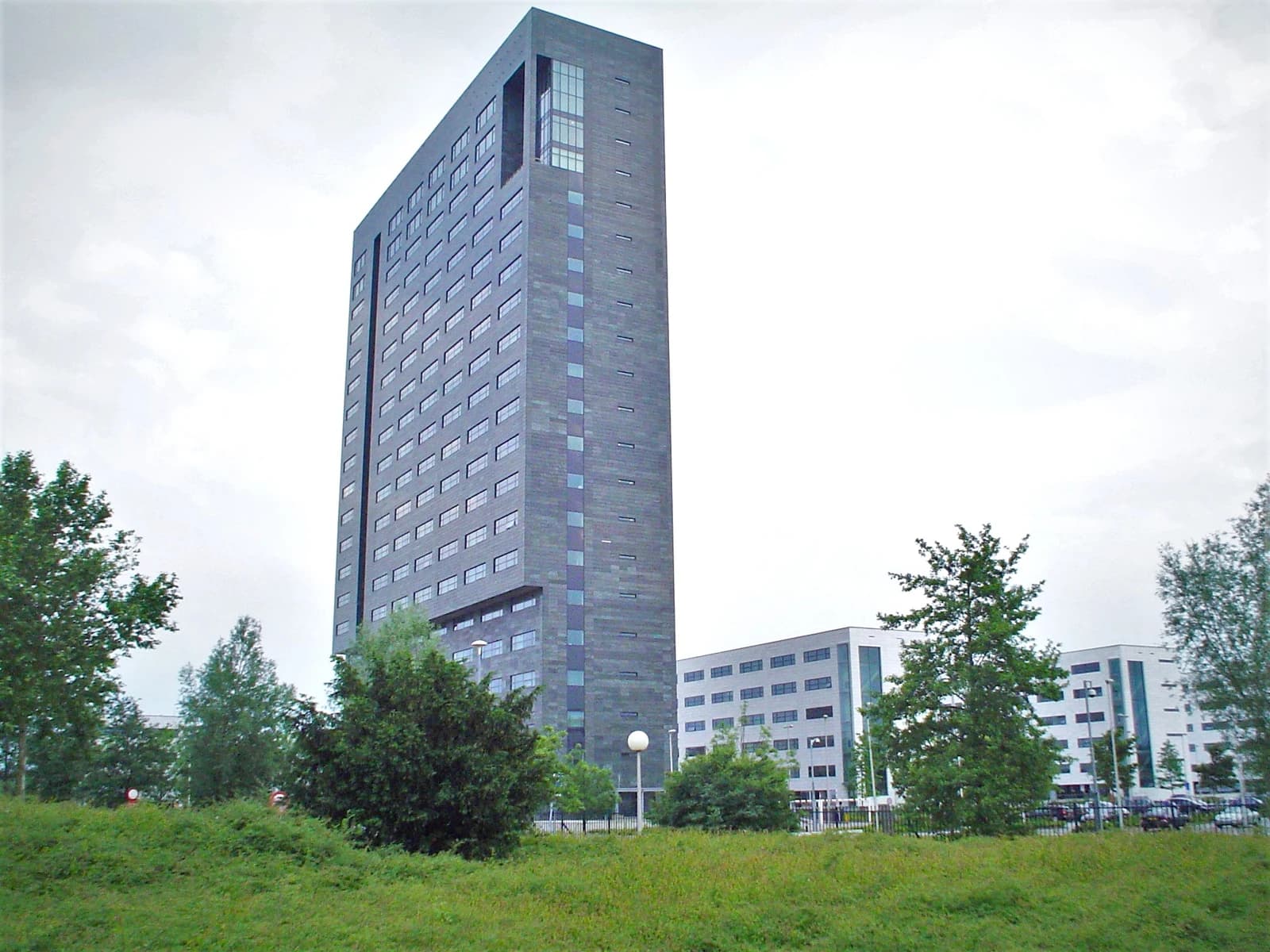
For investors, the question is not whether these companies can attract interest — they clearly can — but whether an ADR structure would deepen the shareholder base, improve trading access and potentially narrow the gap between U.S. and home-market pricing. In an era when Asian and European growth names are increasingly benchmarked against U.S. peers, the decision to stay off the Nasdaq or NYSE can leave some of that capital on the table.
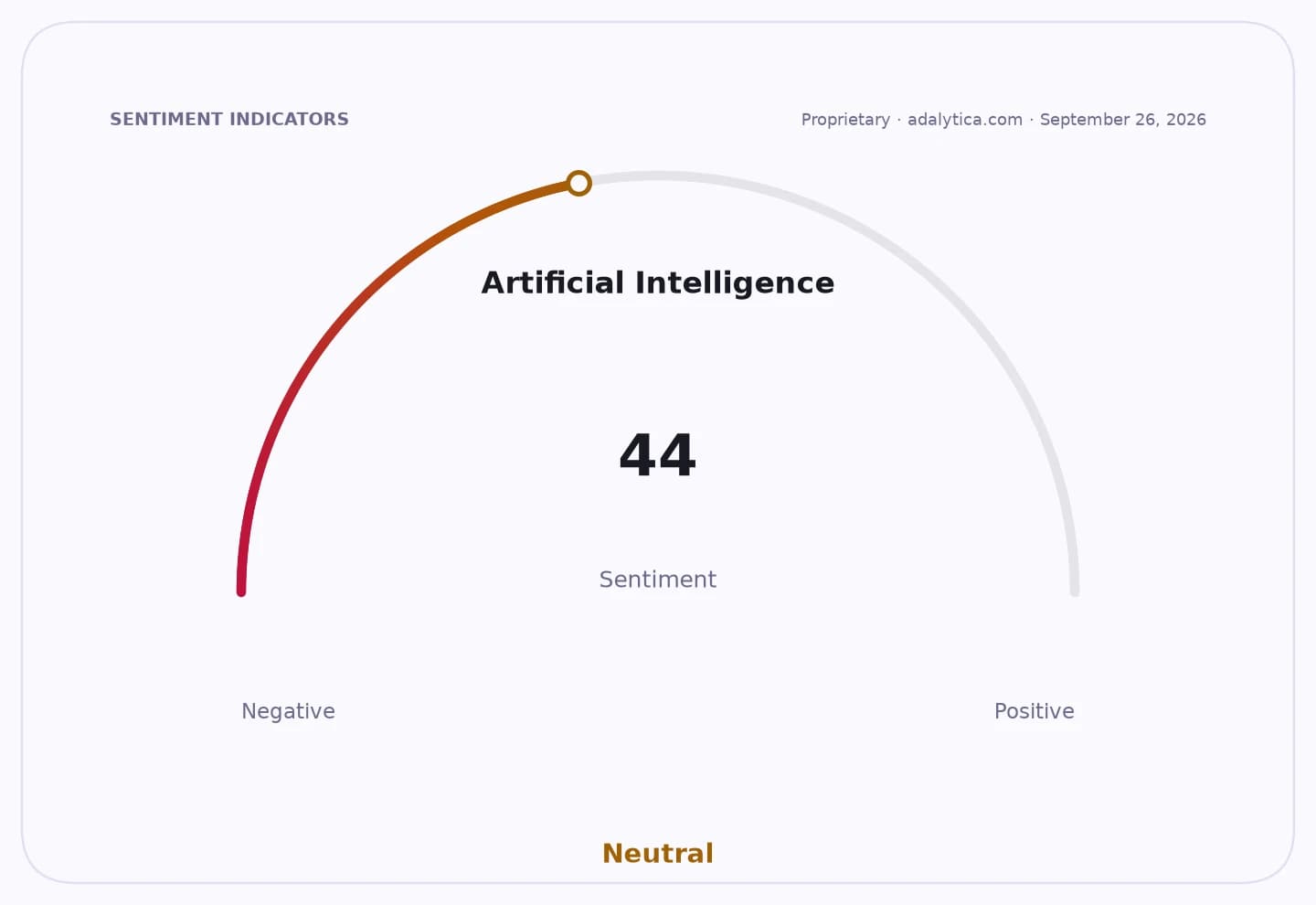
Sentiment IndicatorsⓘProprietary · adalytica.com · July 27, 2026
This is a snapshot — live sentiment, awareness and momentum for 130+ markets update continuously in the dashboard.Open AlphaPulse
That contrast is especially relevant for semiconductor and healthcare investors. TSMC and ASML sit at the center of the AI and chip-equipment supply chain, while Novo Nordisk remains one of Europe’s most important healthcare franchises. Each has ample global demand for its shares, but without a U.S. ADR, American investors generally face more friction through local listings, currency exposure and overseas market hours. The result can be lower day-to-day participation from U.S. retail and some institutions, even when the underlying business is widely owned and heavily followed.
The market backdrop helps explain why the issue is resurfacing. TSMC’s U.S.-traded shares have climbed sharply over the past year, but the stock is now technically stretched: the latest close of $403.41 sits below its 50-day average of $425.68, with RSI14 at 27.9, a reading that suggests the shares have been oversold after a fast run. ASML, another critical AI infrastructure name, has also pulled back from recent highs, closing at $1,757.09 after touching $1,989.44 on June 30. Novo Nordisk, meanwhile, has been volatile but has stabilized around $48.77 after a steep decline earlier this year. All three are the kind of globally important companies that U.S. investors want easier access to when sentiment turns.

That is why SK Hynix’s successful Nasdaq ADR experience matters as a useful counterpoint. If an ADR can broaden ownership, support liquidity and improve visibility for a major Asian chipmaker, it raises a reasonable question about why other heavyweight foreign issuers have not followed the same path. The answer is often strategic rather than financial: some companies prefer to preserve regulatory simplicity, avoid added compliance costs or protect governance structures tied to home markets.
Still, the investment case for an ADR is clear. It can expand the pool of potential buyers, lower the barrier for index inclusion in some strategies and create a more continuous U.S. trading narrative around the stock. The bear case is that ADRs can dilute the premium associated with a home-market listing, add reporting burdens and, in some cases, do little to change long-term ownership if the underlying business is already globally held.
For investors, the key implication is that listing structure is not just administrative. It affects where price discovery happens, which time zone sets the tone, and how efficiently global demand is translated into share performance. With AI capital spending still driving interest in TSMC and ASML, and with Novo Nordisk still a core Europe-to-U.S. healthcare exposure, the absence of ADRs limits one channel through which that demand can flow.
The broader narrative is one of access versus control. The companies missing from the ADR field are not missing from investor portfolios; they are simply reaching the market on their own terms. Whether that remains the optimal choice will depend on how valuable U.S. liquidity becomes relative to the costs of opening the door wider.
| Entity | Gains | Losses |
|---|---|---|
| U.S. investors | ▲Easier access to ADR-listed peers | ▼Friction buying home-market shares |
| TSMC, ASML, Novo Nordisk | ▲Home-market control, simpler structure | ▼Broader U.S. liquidity |
| SK Hynix | ▲Visibility from Nasdaq ADR | ▼Less relative attention if rivals stay home-only |
| Home exchanges | ▲Preserve primacy | ▼Miss incremental U.S. flow |