Missoula County is moving to cut off one of the easier retail channels for kratom, a step that could tighten access to the unregulated stimulant-opioid-like product and add momentum to a broader state-level crackdown.
Missoula County to Ban Kratom Sales in Retail Food Stores
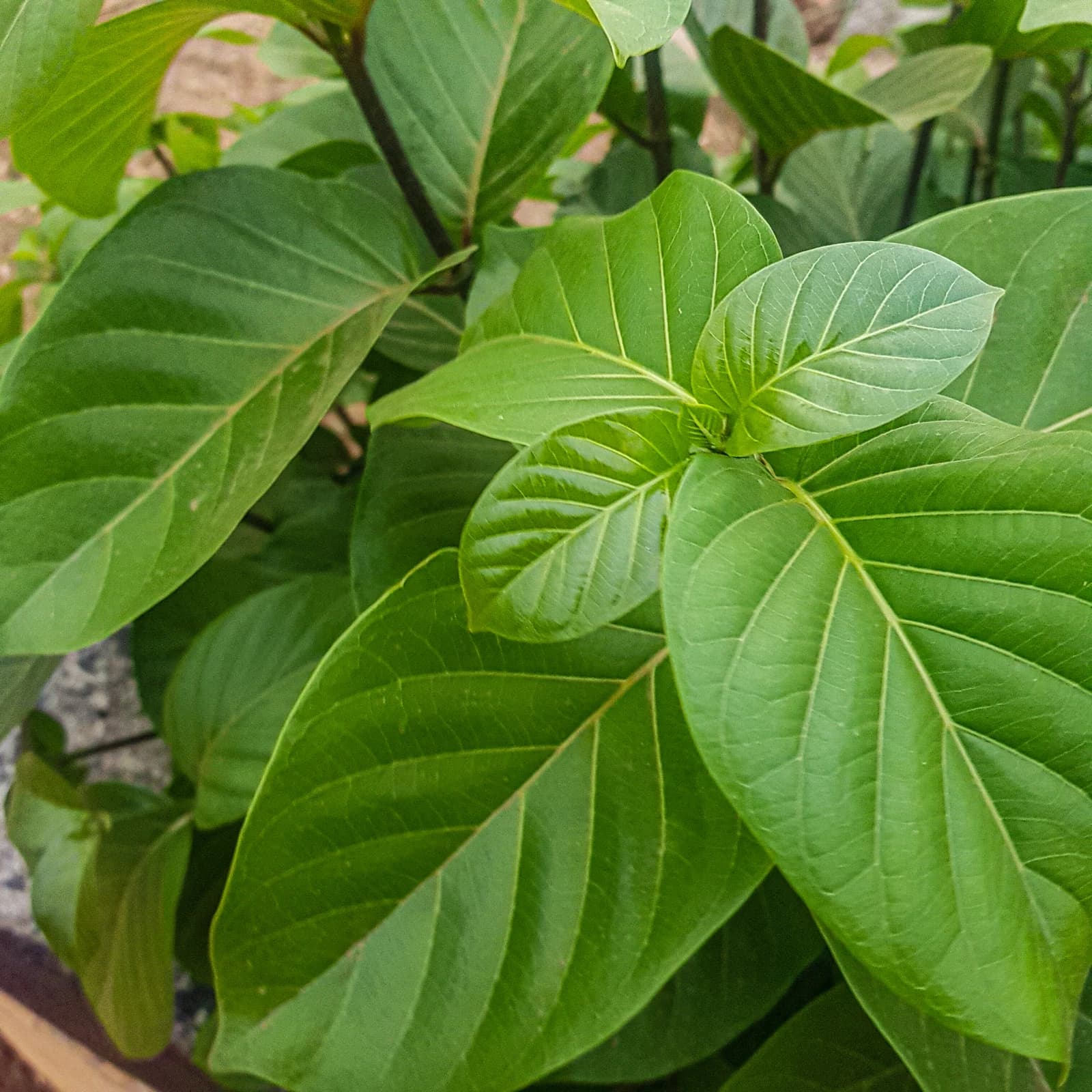
The county health department said it will begin enforcing the prohibition in retail food businesses after Nov. 2, telling stores in a Sept. 25 letter that no kratom food or drink products are approved for sale in the U.S. and that the substance cannot be lawfully sold in those outlets. The ban matters because kratom has been widely available in convenience stores, small groceries, casinos and other food retailers, giving consumers broad access to products the FDA has not approved and has deemed unsafe as a food additive.
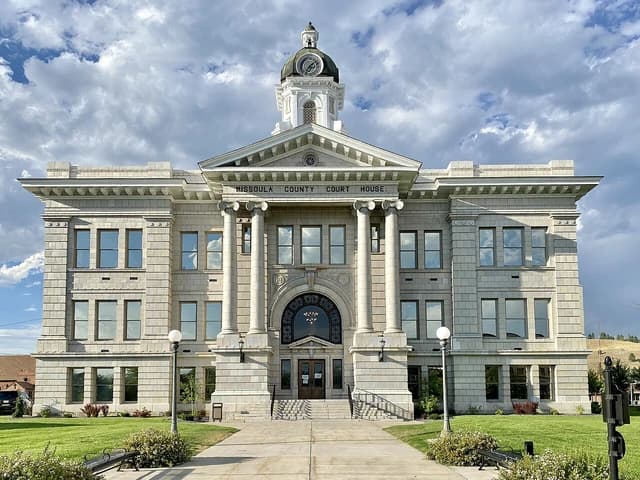
Missoula’s move follows similar action elsewhere in Montana, including Yellowstone County, which began prohibiting kratom sales in retail food establishments in January and later sued four businesses over the products. The Blackfeet Tribal Business Council also banned kratom on its reservation last year. For regulators, the argument is increasingly framed as a public-health issue rather than a consumer-choice question: county health officials said 29 Montana overdose deaths between 2020 and 2025 involved kratom, underscoring the substance’s association with addiction and overdose risk.
The county’s inspection data suggests the local market is material enough to matter. Staff visited 23 retail food businesses in late August and found kratom for sale in 12 of them, with products ranging from teas and seltzers to gummies, tablets and powders. That breadth of availability helps explain why the county is focusing on food retailers first: they are often the most visible point of sale and can expose younger or unsuspecting buyers to products marketed as herbal supplements but containing concentrated kratom compounds.
For investors, the immediate relevance is limited to a small slice of the regulated retail economy, but the policy trend is worth watching. Kratom remains a patchwork issue across states and counties, and the absence of federal approval leaves retailers exposed to shifting local enforcement. Larger chains such as Kroger and Walmart, along with warehouse clubs like Costco, face growing compliance pressure whenever local authorities interpret food-safety rules aggressively. The risk is less about one county’s sales hit than about whether a widening set of jurisdictions forces retailers to pull products, rework assortment decisions and absorb legal or reputational costs.
The political backdrop suggests this is unlikely to be the last word. Montana lawmakers did not pass kratom regulations this year, but county officials expect the issue to return in the next session, and public-health advocates are pressing for a statewide ban. If that happens, the products’ distribution would become far more constrained, while retailers and suppliers that have treated kratom as a niche add-on would face a sharper regulatory reset.
| Entity | Gains | Losses |
|---|---|---|
| Missoula County health department | ▲public-health control | ▼kratom retailers |
| Kratom users | ▲fewer easy purchases | ▼broader product access |
| Walmart/Kroger/other retailers | ▲clearer compliance rules | ▼some shelf sales |
| State lawmakers/regulators | ▲stronger policy leverage | ▼status quo sellers |