Philip Morris International is stepping up retailer training and age-verification efforts across Trinidad and Tobago as cigarette and vaping companies face rising regulatory and reputational pressure over underage access.
Philip Morris Steps Up Age-Verification in Trinidad
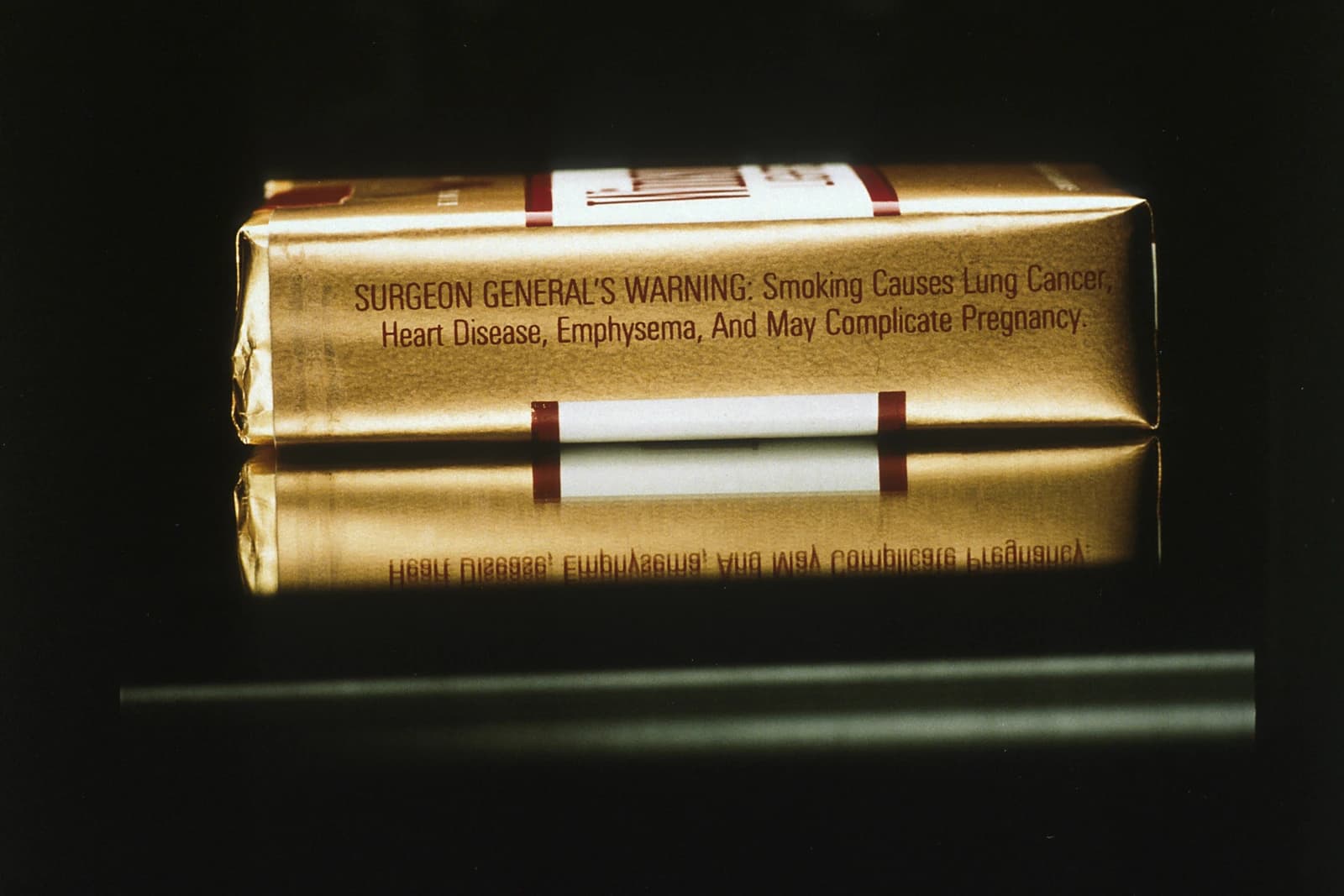
The company said its local unit will visit more than 3,500 points of sale this year under its Underage Access Prevention Programme, a broad retail outreach effort that includes educational materials and posters aimed at reducing sales of tobacco and nicotine products to minors. The campaign is economically important because it is designed to protect the distribution network that underpins legal tobacco sales while limiting exposure to enforcement actions, product restrictions and consumer backlash tied to youth use.
Sentiment IndicatorsⓘProprietary · adalytica.com · September 27, 2026
This is a snapshot — live sentiment, awareness and momentum for 130+ markets update continuously in the dashboard.Open AlphaPulse
Philip Morris said the programme is part of a global initiative and is meant to reinforce retailers’ commitment to age verification. That matters for investors because tobacco groups are under sustained scrutiny from regulators and public-health advocates, and any failure to curb underage access can invite tighter controls on retail sales, marketing and product categories such as e-cigarettes.
The focus on electronic cigarettes is notable. Philip Morris said those products should “never, under any circumstances” end up in the hands of minors, underscoring how youth access to vapor products has become a central regulatory risk across the industry. For companies such as Philip Morris, Altria and British American Tobacco, maintaining adult-only positioning is not just a compliance issue but a defense of the business model itself, particularly as combustible volumes decline and the growth case increasingly rests on reduced-risk products.
The wider backdrop is a tobacco sector that remains vulnerable to policy intervention. Recent enforcement actions in parts of Asia against illicit and synthetic tobacco products show how quickly governments can broaden crackdowns when youth access becomes a political issue. That raises the stakes for legitimate manufacturers, which must demonstrate they can police retail channels even as illicit trade and age violations continue to erode trust in the category.
For Philip Morris, the programme is a relatively low-cost way to signal discipline around responsible marketing while preserving relationships with retailers. For investors, the key question is whether such voluntary efforts can help contain regulatory risk before it translates into harsher rules, especially for vaping products. The near-term financial impact is likely limited, but the longer-term implication is clear: companies that can credibly show stronger age controls may be better placed to defend growth in smoke-free products, while those that cannot may face tighter constraints on one of the industry's last areas of expansion.
| Entity | Gains | Losses |
|---|---|---|
| Philip Morris International | ▲Compliance credibility | ▼Regulatory scrutiny |
| Retailers | ▲Training and guidance | ▼Administrative burden |
| Adult nicotine users | ▲Continued product access | ▼Tighter controls |
| Minors and illicit sellers | ▲None | ▼Restricted access |