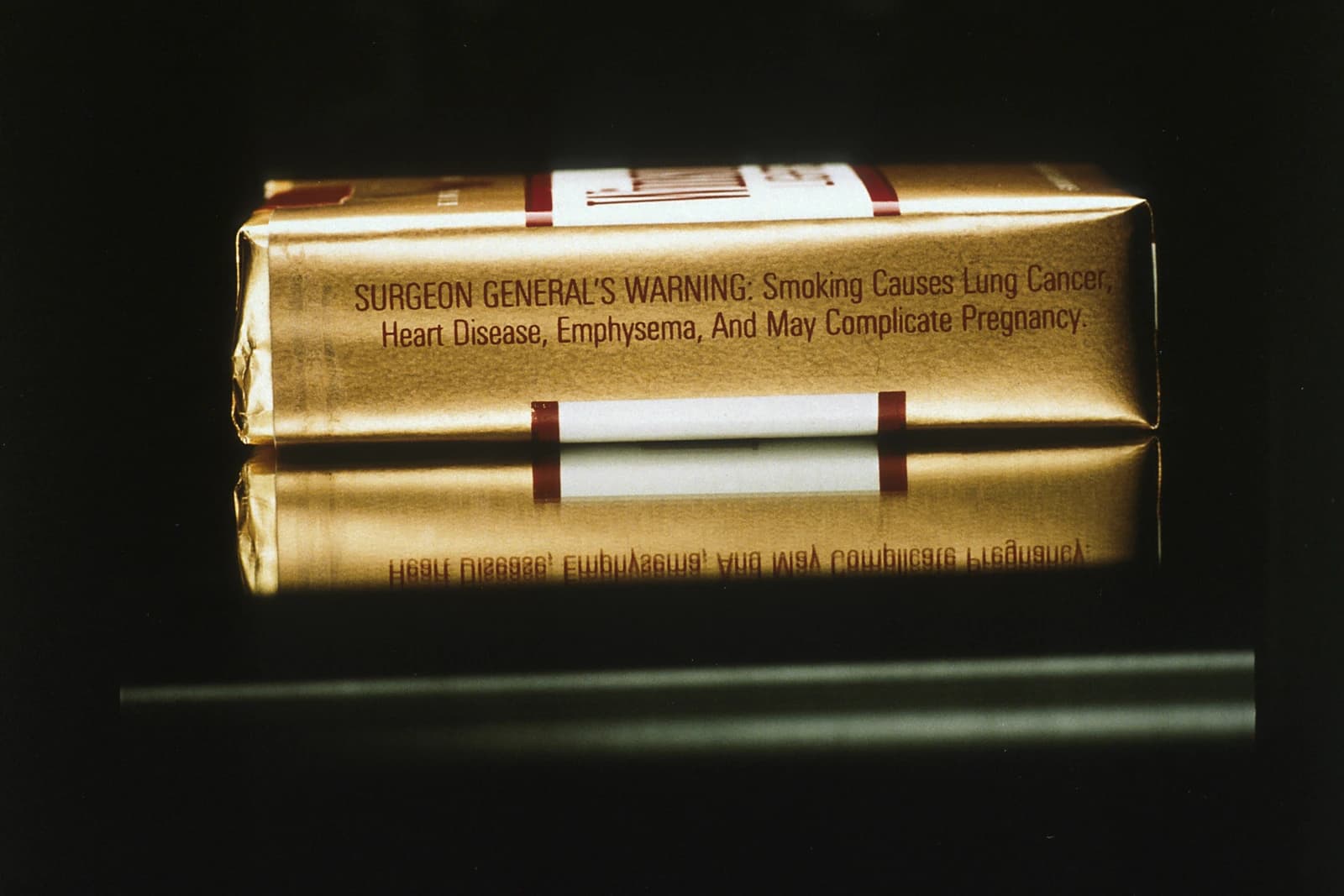
St. Petersburg lawmakers have moved to ban retail sales of vapes and e-liquids outright, deepening a wider Russian crackdown on nicotine products that could reshape a market already under regulatory pressure.
St. Petersburg moves to ban vape retail sales
The city’s legislative assembly has received a bill drafted by its budget and social policy committees that would prohibit the retail sale of vapes across St. Petersburg, assembly chairman Alexander Belsky said. Two companion bills would further restrict sales at official sports venues, children’s health and social institutions, beaches, waterfront recreation areas and places of worship, while giving the city government power to define no-sales zones around schools.
Sentiment IndicatorsⓘProprietary · adalytica.com · October 23, 2026
This is a snapshot — live sentiment, awareness and momentum for 130+ markets update continuously in the dashboard.Open AlphaPulse
The proposal matters because it would move one of Russia’s largest cities from targeted restrictions to a full retail ban, a step that would hit convenience stores, specialist vape shops and distributors that rely on legal nicotine sales. It also raises the prospect of a patchwork regulatory regime across Russia, where local authorities are increasingly willing to go beyond federal rules to curb vaping.
For tobacco companies and nicotine-product makers, the immediate economic impact is less about traditional cigarettes than about the faster-growing alternative-nicotine segment. Altria, Philip Morris International and smaller peers have spent heavily to develop heated tobacco and other reduced-risk products, but vape restrictions can still matter by narrowing the legal ecosystem around nicotine consumption and reinforcing the shift back toward older products or into illicit channels. That is why investors watch local bans closely: they can alter category mix, enforcement costs and the pace at which consumers trade up or out of regulated products.
The proposal follows a similar move in Murmansk, where Governor Andrei Chibis said officials intend to prohibit electronic cigarette sales. Together, the announcements suggest Russian regional policymakers are testing how far they can go in tightening access to nicotine products, even as public-health advocates argue that enforcement, rather than prohibition, is the more effective response to underage use and illicit trade.
That tension is central to the investment case. Bulls on the incumbents argue that if vaping is constrained, some adult users may revert to combustible products or other regulated nicotine formats, supporting established cigarette volumes. Bears counter that abrupt bans usually expand the black market, weaken pricing discipline and make the overall nicotine market harder to forecast. In practical terms, a ban in St. Petersburg would be a policy win for public-health campaigners, but a reminder for investors that nicotine regulation remains a moving target in major urban markets.
What happens next will depend on whether the city assembly advances the bill and how aggressively local authorities enforce any future restrictions. If adopted, the measure would add another layer to Russia’s tightening nicotine regime and reinforce a broader global trend toward tougher vape oversight.
| Entity | Gains | Losses |
|---|---|---|
| St. Petersburg lawmakers | ▲Public-health credibility | ▼Vape retail tax base |
| Cigarette makers | ▲Potential substitution toward combustibles | ▼Reduced nicotine-market flexibility |
| Vape retailers | ▲— | ▼Legal sales in city |
| Illicit sellers | ▲Black-market opportunity | ▼Formal sector share |