Taiwan is moving to close a legal gap in its vaping crackdown by making possession of e-cigarettes punishable, a step that would give authorities a clearer basis to seize devices and fine users as officials warn the products remain widely used by teenagers.
Taiwan moves to fine e-cigarette possession

The push matters because Taiwan already bans the manufacture, import, sale, supply, display, advertising and use of e-cigarettes, but possession has remained outside the penalty regime. That has limited enforcement and left regulators relying on broader provisions while trying to contain a market that health officials say continues to reach minors.
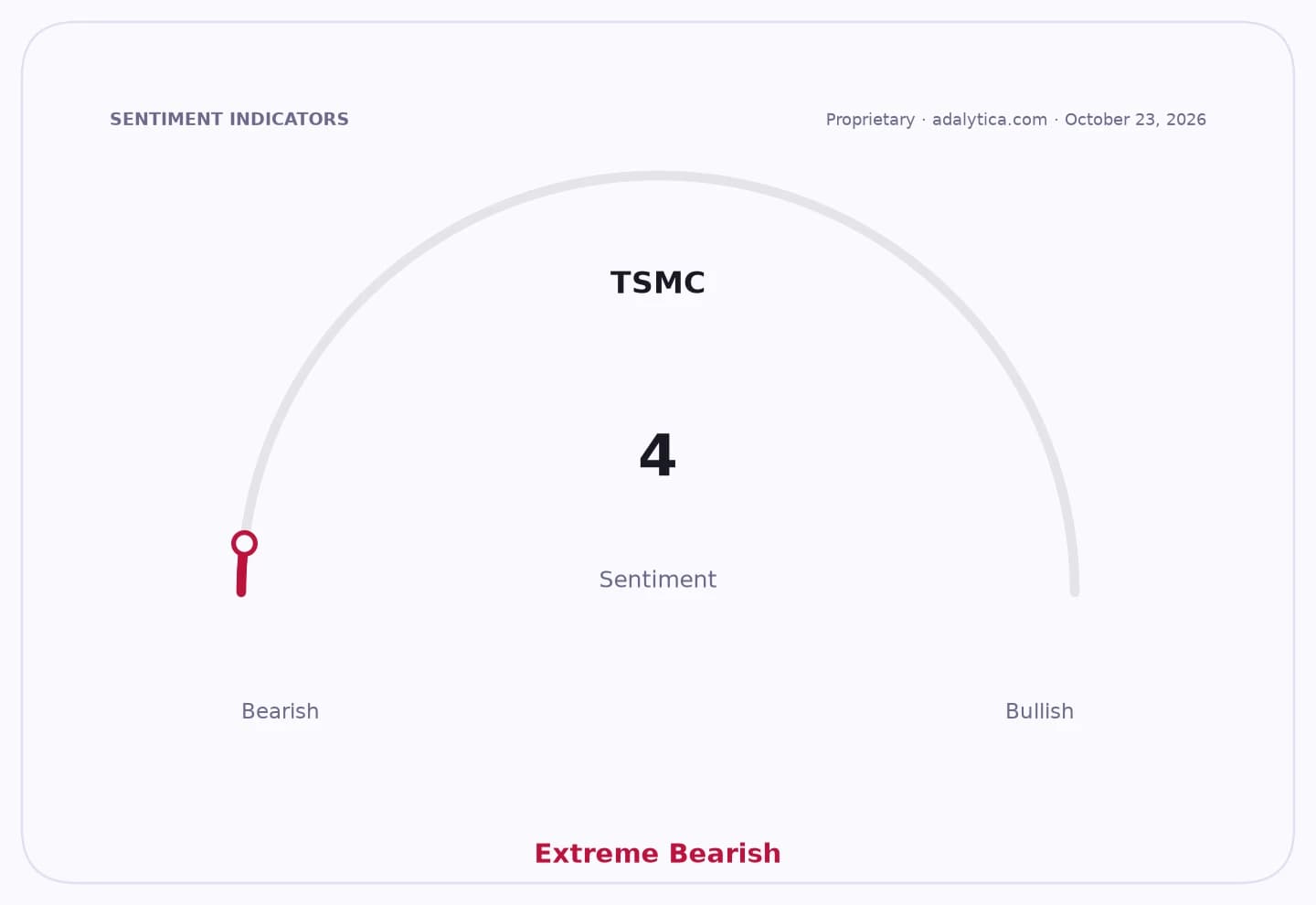
Sentiment IndicatorsⓘProprietary · adalytica.com · October 24, 2026
This is a snapshot — live sentiment, awareness and momentum for 130+ markets update continuously in the dashboard.Open AlphaPulse
The Alliance on Obligatory Education said yesterday the Legislative Yuan should amend the Tobacco Hazards Prevention Act to add possession to the list of prohibited acts. Under the proposal, e-cigarettes would first be confiscated during a one-month grace period, after which possession would carry fines of NT$30,000 to NT$100,000.
Supporters argue the measure is necessary because the scale of the problem is larger than the government’s disposal figures suggest. The Health Promotion Administration last week said it had collected about 633kg of e-cigarettes since a national disposal scheme began on Sept. 8, but alliance president Wang Han-yang said the amount of discarded devices cannot be used to infer actual circulation or mean the problem is solved.
Public health officials are focused on the youth market. An HPA survey last year found more than 40,000 adolescents use e-cigarettes, including 2.1% of junior-high students and 5.1% of high-school and vocational-school students. Advocates say the devices are also being used to deliver illicit substances, including etomidate, which Taiwan classifies as a Category 1 narcotic.
That creates an economic and enforcement rationale for tightening the law. A possession ban would shift the burden from market interdiction alone toward household, school and street-level enforcement, potentially raising compliance costs for sellers, users and distributors while giving police and health authorities a clearer tool to disrupt illicit supply chains. Health and Welfare Minister Shih Chung-liang said the ministry wants the amendment passed as soon as possible and has discussed manpower shortages with education authorities and local governments, with funding to be allocated if needed.
For investors, the immediate issue is not consumer demand for nicotine as a category, but the regulatory signal. Taiwan has already set one of the stricter vaping regimes in Asia, and a possession penalty would reinforce the view that governments are willing to escalate from product bans to user-level enforcement. That is negative for any cross-border vape trade and for illicit distributors, while leaving traditional tobacco groups to navigate a market where combustible cigarettes remain legal but alternatives face growing policy pressure.
The move also fits a broader global trend of tighter scrutiny on e-cigarettes, particularly where youth uptake and illegal additives have become political flashpoints. If the legislature approves the change, the key question will be whether enforcement can keep pace with the law — and whether tougher penalties meaningfully reduce adolescent use or simply push the market further underground.
| Entity | Gains | Losses |
|---|---|---|
| Taiwan health authorities | ▲Clearer enforcement powers | ▼More policing burden |
| Public schools and parents | ▲Stronger deterrence tools | ▼Continued monitoring duties |
| Illicit vape sellers | ▲— | ▼Higher seizure and fine risk |
| Tobacco companies | ▲Relative policy clarity | ▼Tighter nicotine regulation climate |