The fight over Missouri’s congressional map is back before the U.S. Supreme Court, with the justices poised to decide for a third time in three weeks whether Republicans can use a new district plan meant to add a House seat — a ruling that could determine which map voters see on ballots already being cast.
Missouri redistricting dispute returns to Supreme Court
The immediate economic significance is limited, but the political stakes are not. Control of the U.S. House shapes tax policy, spending, regulation and trade, and Missouri’s six House seats are part of a wider national redistricting battle that could help decide which party enters the next Congress with an edge. For investors, that matters because congressional control feeds directly into expectations for fiscal policy, defense spending, energy regulation, healthcare rules and the pace of legislation that can move markets.
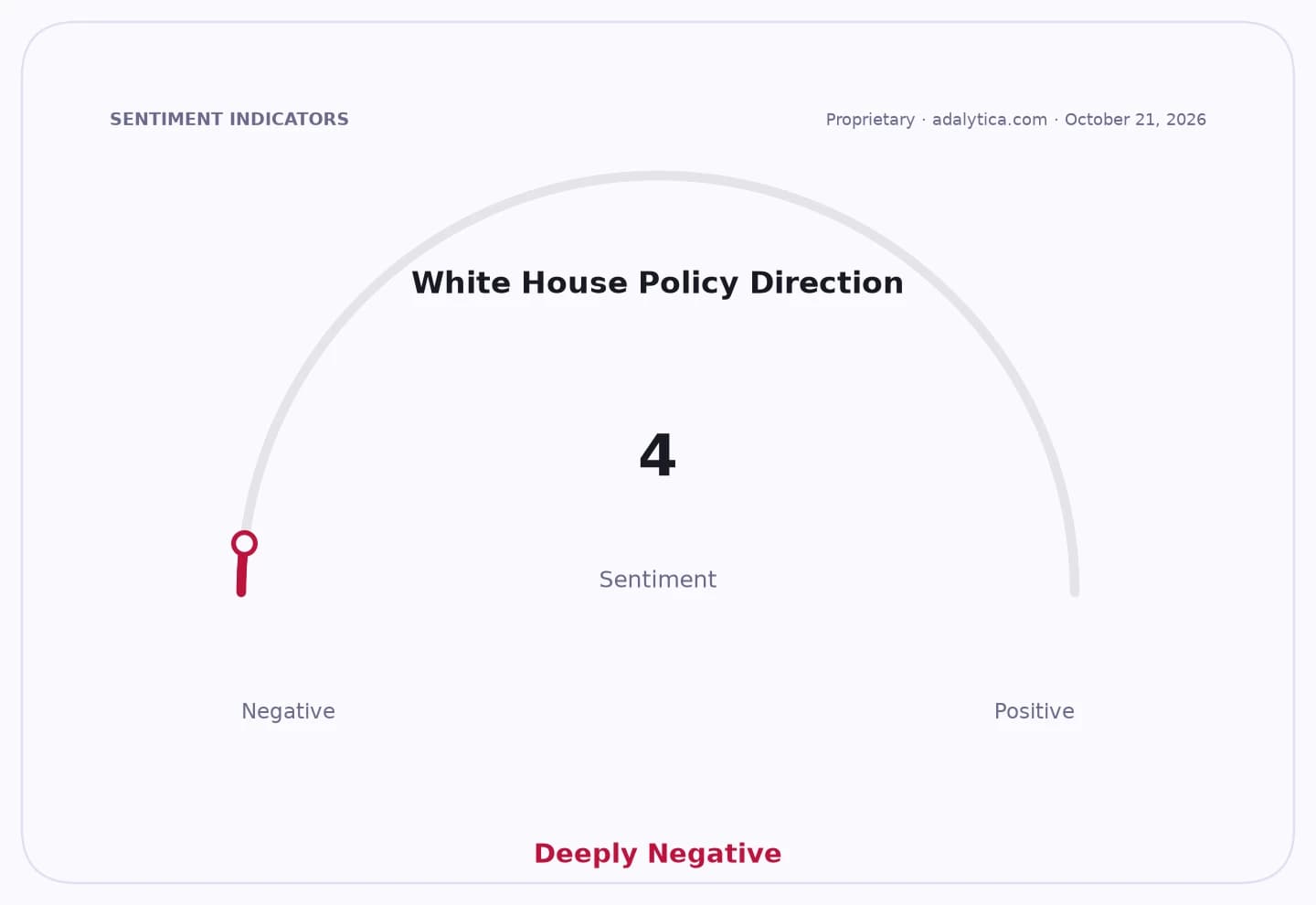
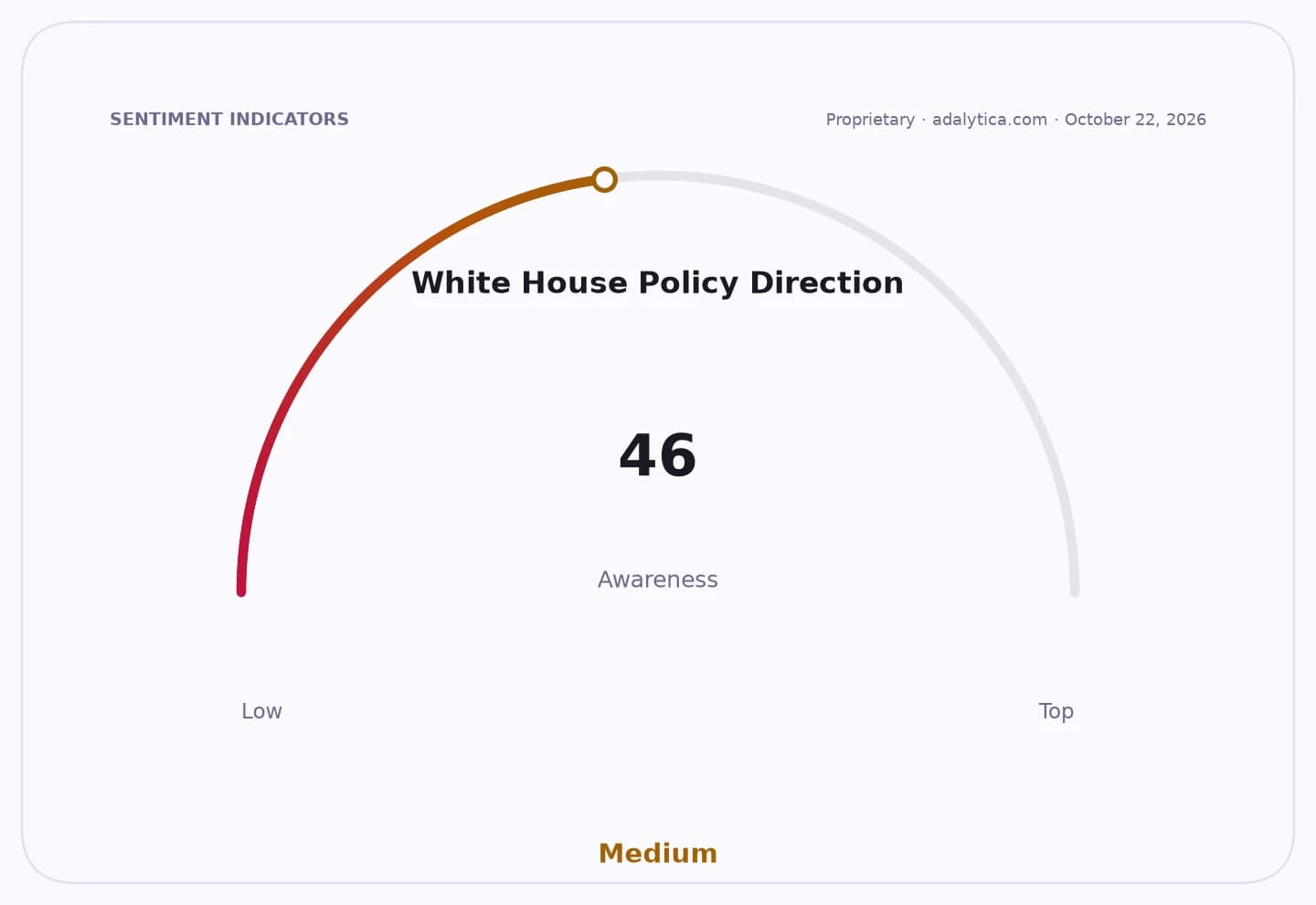
Sentiment IndicatorsⓘProprietary · adalytica.com · September 27, 2026
This is a snapshot — live sentiment, awareness and momentum for 130+ markets update continuously in the dashboard.Open AlphaPulse

The dispute now turns on timing as much as law. Missouri’s Republican-led legislature approved a new congressional map last year, backed by Donald Trump, aiming to improve the GOP’s odds of picking up another seat in November’s elections. But the Missouri Supreme Court ruled Sept. 3 that the new map could not be used unless voters first approved it through the state’s referendum process. That left the 2022 districts as the only map still in force.
Federal courts then moved in the opposite direction. A three-judge panel of the 8th U.S. Circuit Court of Appeals said Monday that changing congressional districts after the primary would violate the U.S. Constitution because more than a million potential voters — roughly one in four Missourians — would be shifted into different districts after already having no say in the primary contests that produced their November choices. U.S. District Judge Stephen Clark quickly entered an order blocking the 2025 map, only for opponents to prepare another appeal to the Supreme Court.
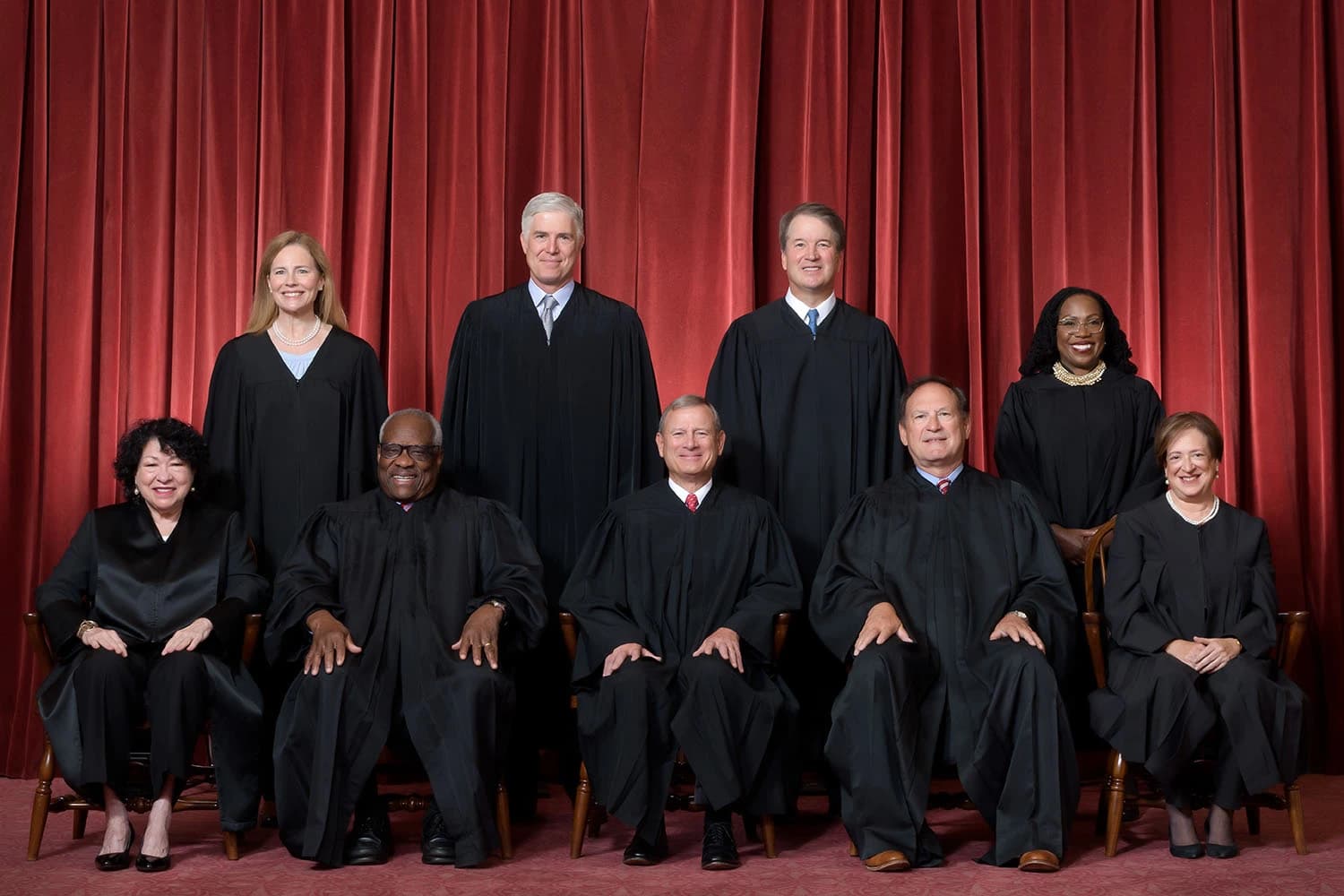
The justices have already shown they are wary of last-minute changes. Justice Brett Kavanaugh let the Missouri Supreme Court ruling stand on Sept. 8, and the Supreme Court then put aside Clark’s earlier order two days later. The latest clash turns on the court’s Purcell principle, which discourages judges from altering election rules too close to voting. That doctrine has become a recurring factor in election litigation because it often favors whichever rules are already in place, even if the underlying legal fight remains unresolved.
The practical effect is already showing up on the ground. Absentee voting has started using the 2022 districts, creating a patchwork in which primary elections were run under one map, voters have been told to prepare for another, and courts are now weighing whether to stick with the version that creates the least disruption. Supporters of the new map argue the primary was held under the GOP-approved districts and that switching again would only deepen confusion. Opponents say the election calendar has moved too far to undo the state Supreme Court’s decision.
For investors, the broader relevance is that Missouri is one more example of how U.S. political risk is increasingly being decided in courtrooms rather than at the ballot box. The uncertainty can affect expectations not just for House control, but for the durability of policy agendas on the campaign trail and in Washington. A GOP-favorable map would modestly improve Republican prospects in the House; blocking it preserves a closer battlefield and leaves power-sharing in Congress more uncertain.
Markets are unlikely to trade directly on Missouri redistricting alone, but the underlying theme is familiar: any development that alters the odds of divided government, budget brinkmanship or shifts in regulatory priorities can matter at the margin for equities, Treasuries and sector positioning. The Supreme Court’s next move will determine whether Missouri’s voters head into November under one map or two — and whether one more piece of the national House map gets locked in before campaigning intensifies.
| Entity | Gains | Losses |
|---|---|---|
| Missouri GOP lawmakers | ▲Better chance at a seat gain | ▼New map blocked |
| Redistricting opponents | ▲2022 map remains in force | ▼New GOP-favored map |
| Missouri voters | ▲Less last-minute ballot confusion | ▼Ongoing legal uncertainty |
| Republicans nationally | ▲Potential House advantage if map upheld | ▼Advantage fades if court blocks map |