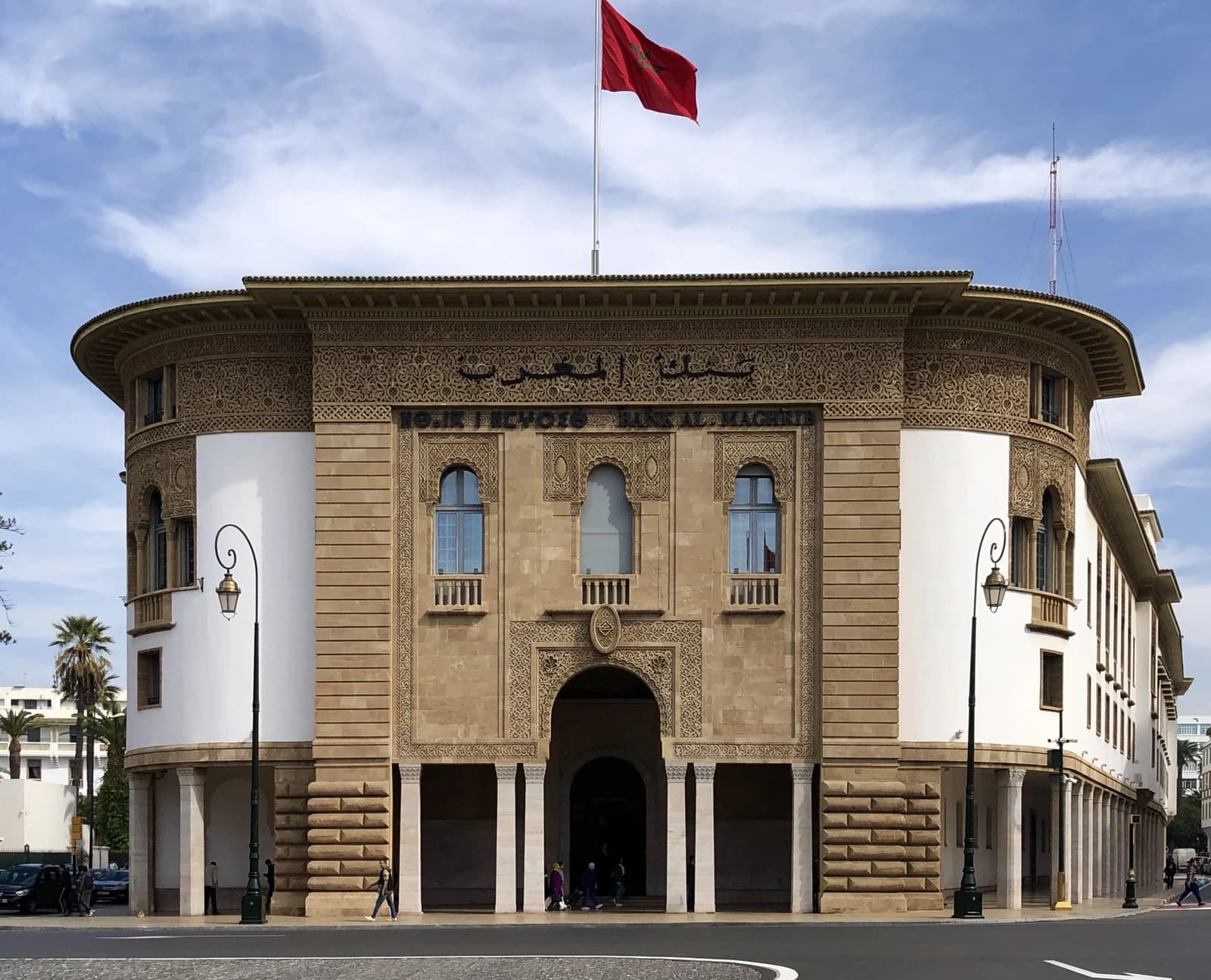
Morocco’s banking system is showing a clear strain in household borrowing, with 10.9% of loans to families now classified as non-performing debts, a level that matters because it can slow consumer spending, pressure bank profits and ultimately curb credit growth.
Morocco Banks Household Bad Loans Rise to 10.9%
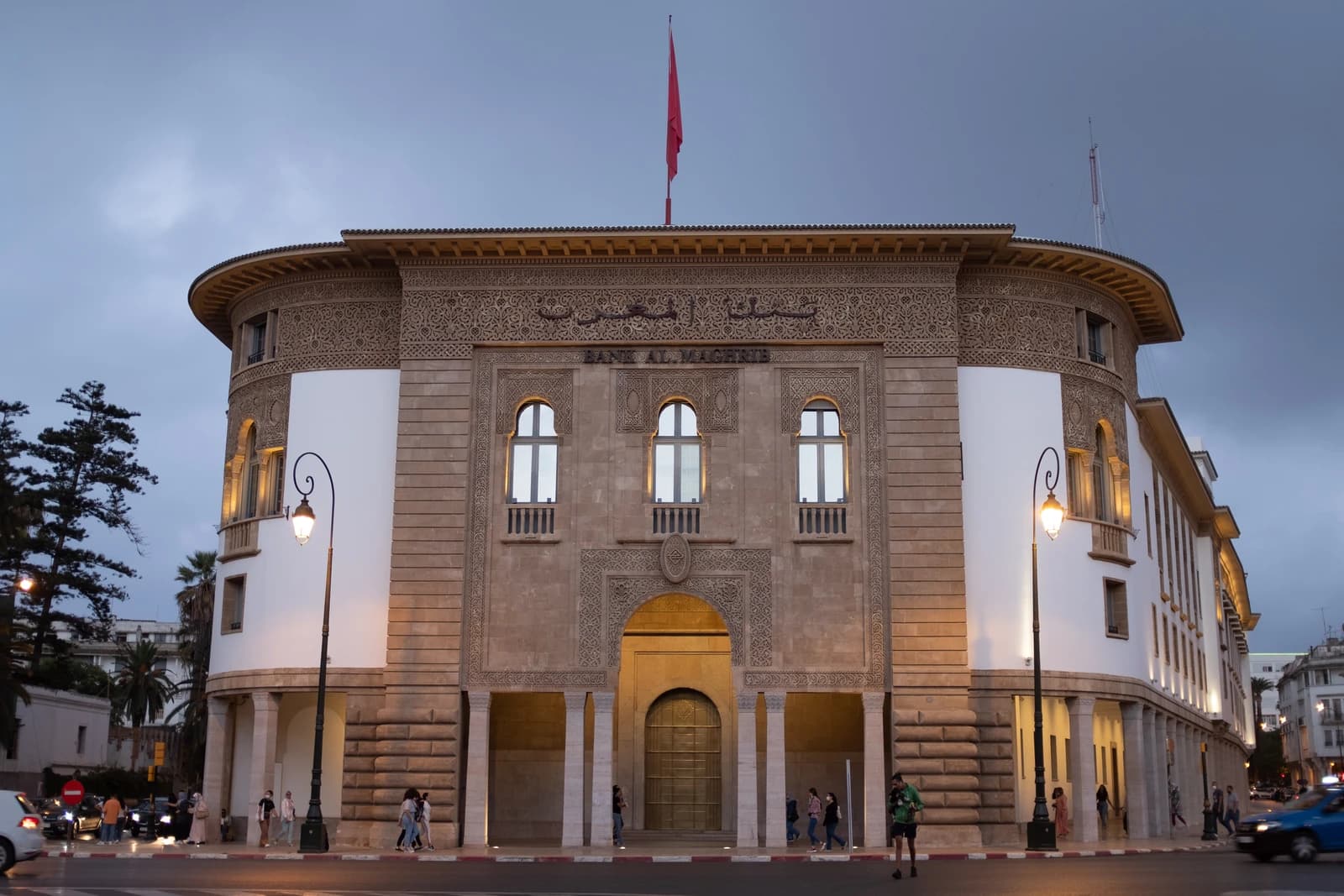
The Bank of Morocco said household non-performing debts climbed to 44.3 billion dirhams at the end of September, up 5% from a year earlier, even as average lending rates for individuals eased in the third quarter. That is the key signal for investors: lower rates alone are not repairing balance sheets when jobs and incomes remain under pressure.
Sentiment Indicators
Household credit itself continued to expand, rising 3.5% year on year to 405.5 billion dirhams, driven mainly by mortgages and consumer loans. But bad debts grew faster than the loan book, a sign that more borrowers are slipping behind on payments as monthly obligations pile up. Housing loans reached 262.8 billion dirhams, while consumer lending rose 5.4% to 63.8 billion dirhams, showing that the most interest-sensitive parts of household finance are still growing even as repayment stress worsens.
The backdrop is not helpful. Morocco lost 173,000 jobs between the second and third quarters, and the unemployment rate rose to 10.5%. That does not prove a direct cause-and-effect link, but it does explain why lenders are seeing more difficulty in collections. For banks, the risk is not just higher provisions; it is a slower, more selective lending cycle if they choose to protect asset quality rather than chase growth.
The central bank’s data also show that overall bad loans in the system rose to 105.5 billion dirhams, even as the ratio to total loans eased slightly to 7.9%. Corporate non-performing debt remains larger in absolute terms, but households now account for about 42% of all troubled loans. That makes retail credit a major piece of Morocco’s banking risk, especially at a time when the authorities still want financing to support housing and consumption.
For long-term investors, the message is straightforward: Morocco’s banks are not in crisis, but they are operating in an environment where credit expansion is no longer enough on its own. If employment improves and wage growth holds up, the current pressure may prove manageable. If not, lenders may need to balance growth with caution for longer than borrowers — or shareholders — would like. Worth watching.
| Entity | Gains | Losses |
|---|---|---|
| Moroccan banks | ▲Higher lending volumes | ▼Higher non-performing loans |
| Households with stable incomes | ▲Lower borrowing costs | ▼Most borrowers facing tighter budgets |
| Borrowers seeking new credit | ▲Easier access to loans | ▼Those already stretched on repayments |
| Investors in bank stocks | ▲Potential loan growth | ▼Rising credit risk and provisions |