Mortgage rates rolled back across the board on Saturday, reopening a modest refinance window for borrowers just as the housing market tries to stabilize under still-elevated borrowing costs.
Mortgage rates fall, refinance window opens
The 30-year fixed average slipped 4 basis points to 6.67%, while the 15-year fixed dropped 10 basis points to 6.04%, according to Zillow lender marketplace data. The sharpest move came in the 5/1 adjustable-rate mortgage, which fell 39 basis points to 6.64% after jumping by the same amount a day earlier, underscoring how volatile shorter-duration loan pricing remains.
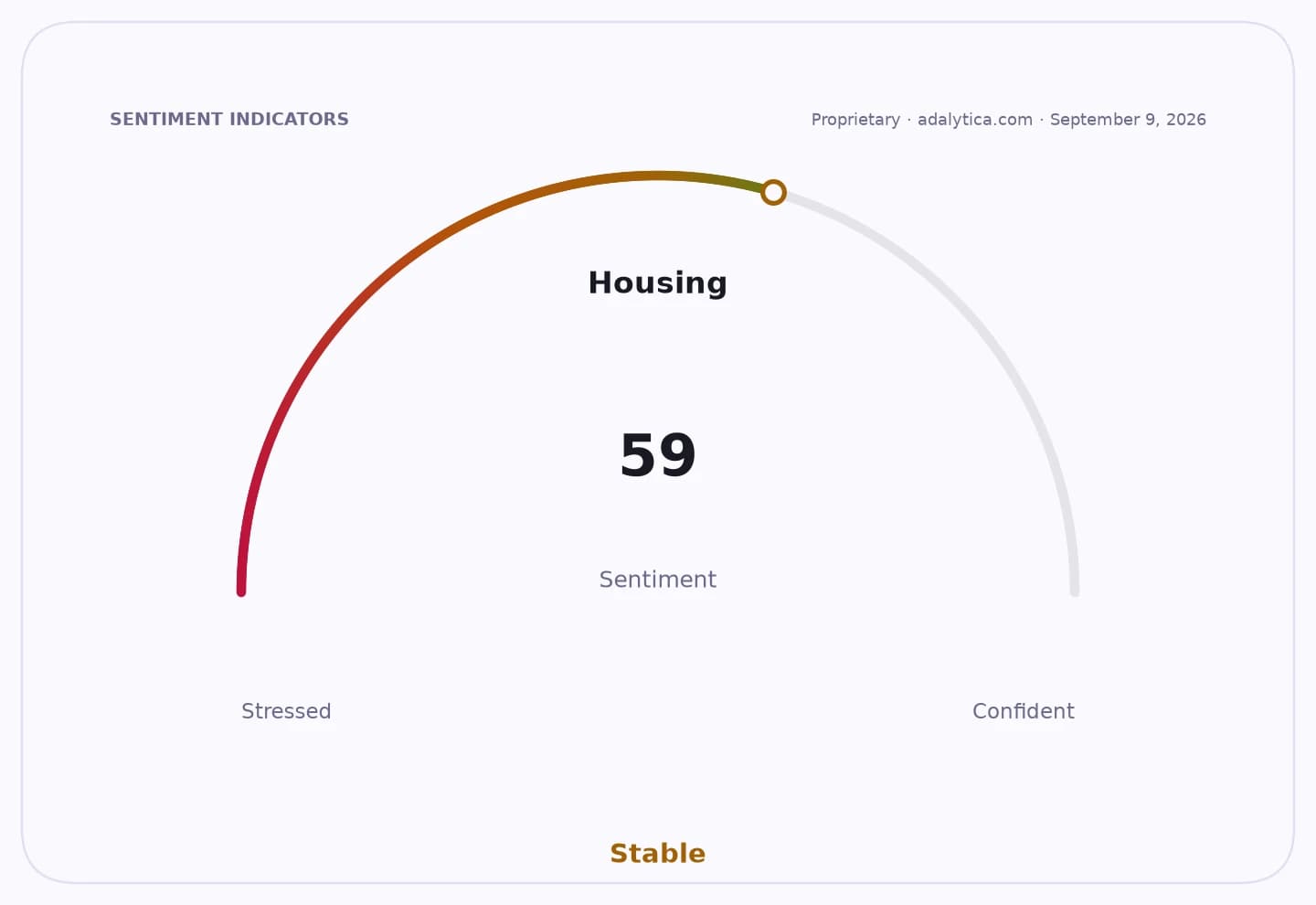
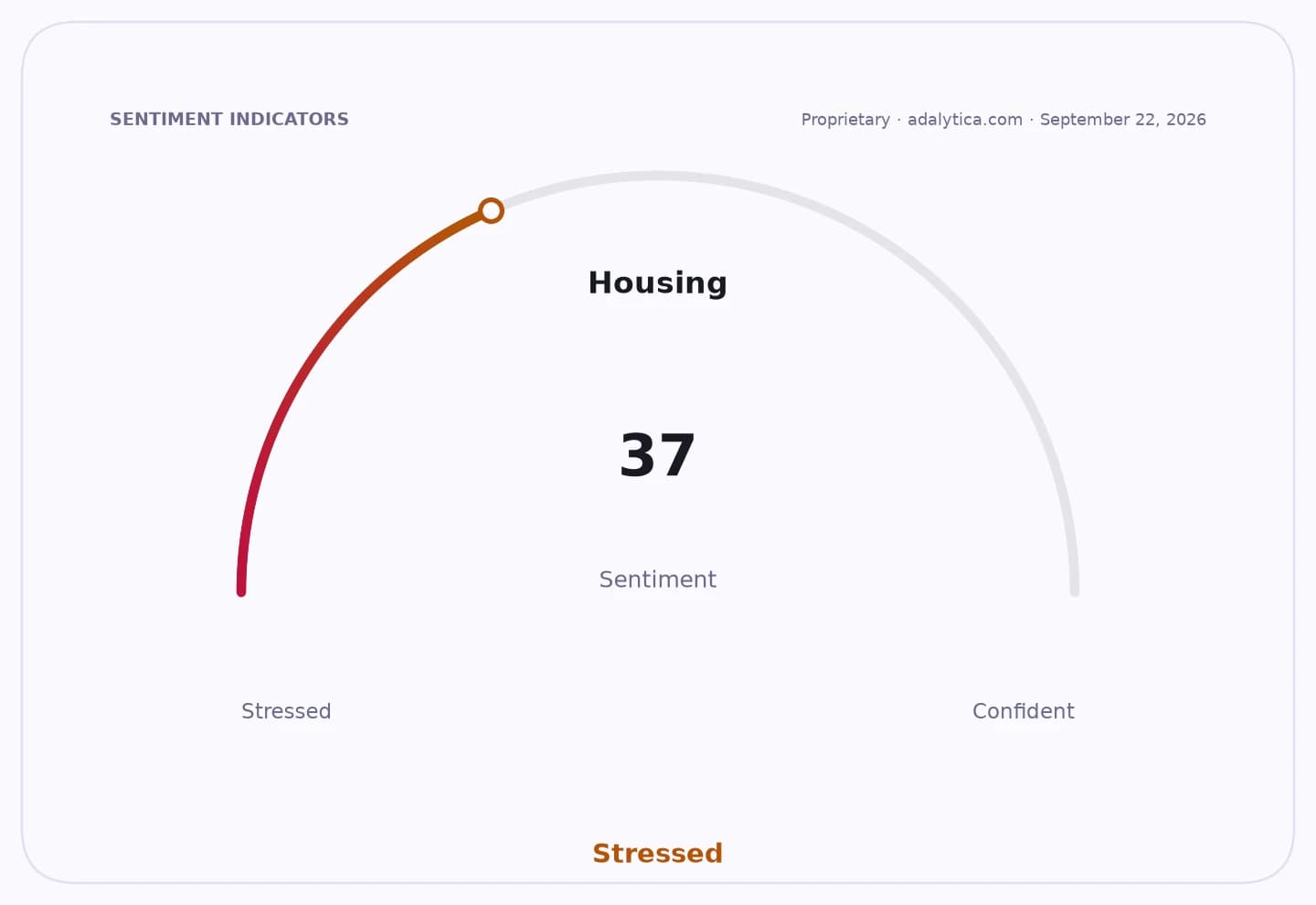
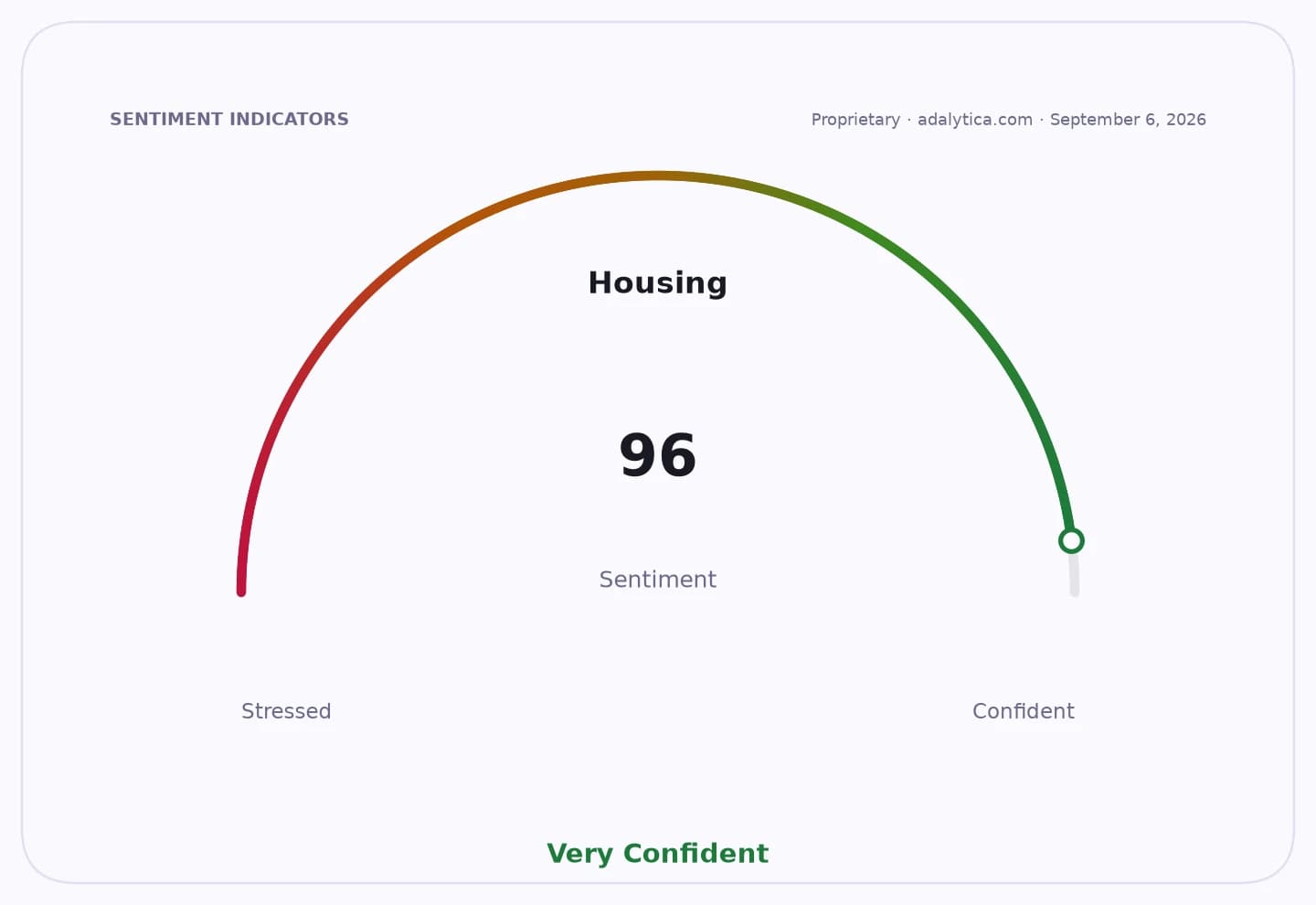
Sentiment IndicatorsⓘProprietary · adalytica.com · September 6, 2026
This is a snapshot — live sentiment, awareness and momentum for 130+ markets update continuously in the dashboard.Open AlphaPulse
That matters because mortgage costs are still sitting at restrictive levels for homebuyers, even after the pullback. The 30-year rate is only modestly below the 6.71% Freddie Mac reported this week and remains near its highest level since July last year. With the Mortgage Bankers Association expecting the 30-year rate to hover between 6.6% and 6.7% through 2026, the market is not pricing in a quick relief rally for housing affordability.
For borrowers, the math is simple: every small decline in rates can improve monthly payments and bring refinancings back into play, particularly for owners who bought or refinanced when rates were even higher. But the benefit is limited by the fact that home prices have not reset in kind, so monthly affordability remains strained even as rates ease slightly.
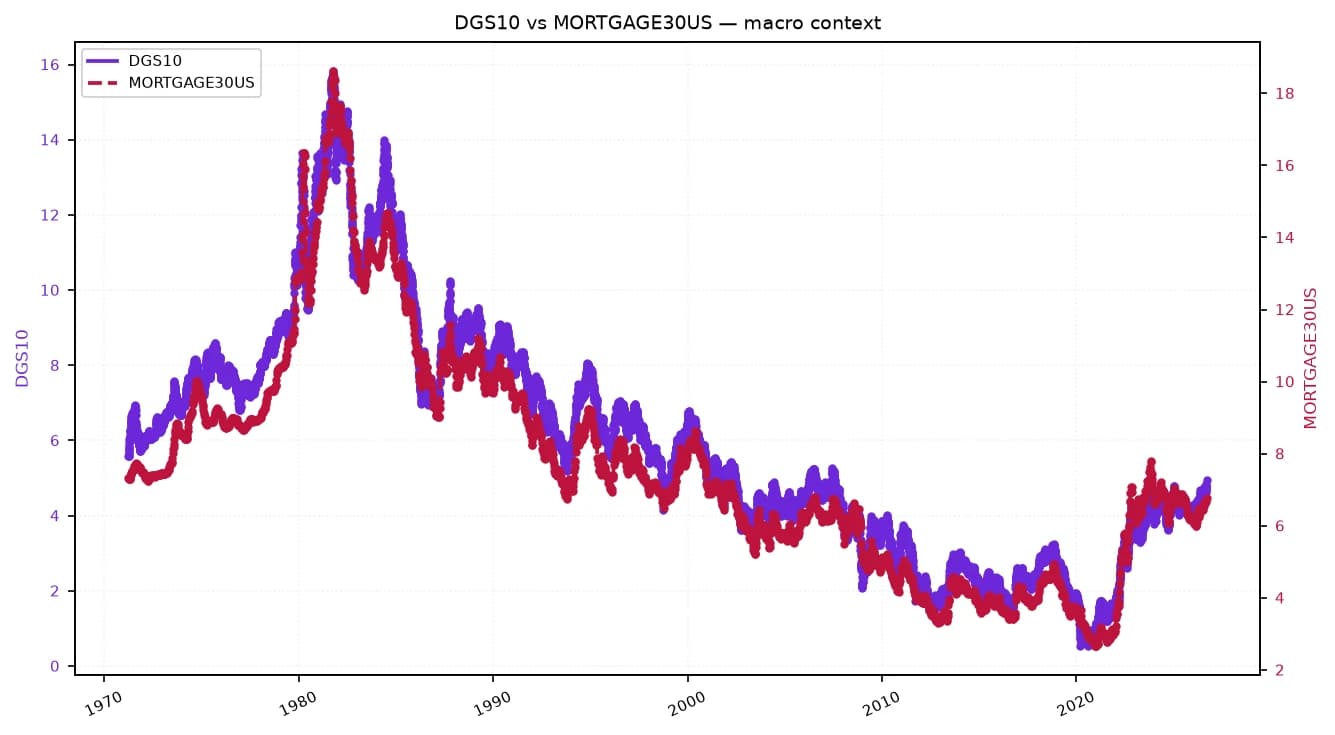
DGS10 vs MORTGAGE30US — macro contextadalytica.com
Explore this data interactively — full history, time series and cross-market comparisons.Open AlphaPulse
The bigger investor story is what this means for the mortgage complex. Lenders and servicers such as Rocket Companies and United Wholesale Mortgage remain tied to a market where volume improves only incrementally, not explosively. That favors firms with scale, strong distribution and hedging discipline, while punishing weaker originators if rates reverse again. The day-to-day churn in ARM pricing also tells investors that rate-sensitive mortgage demand is still fragile and highly dependent on Treasury moves.
Treasury markets remain the key driver. The 10-year yield has hovered around 4.8%, and the 2-year around 4.4%, leaving mortgage pricing elevated enough to keep the housing recovery slow and uneven. Until those benchmark rates break materially lower, the best setup is not a housing boom but a selective rebound in refinance activity and steady pressure on affordability.
The opportunity here is in the second-order winners: lenders with low-cost origination platforms, servicing income and the ability to capture share when borrowers finally decide the math works. The market is still underestimating how much value can be created if even a small decline in rates unlocks pent-up refinancing demand. For now, the takeaway is clear: rates are easing, but the real trade is in the mortgage companies best positioned to monetize a still-constrained housing market.
| Entity | Gains | Losses |
|---|---|---|
| Homeowners with higher-rate loans | ▲Lower refinance costs | ▼Missed savings if they stay put |
| Mortgage lenders with scale | ▲More refinance leads | ▼Margin pressure if volatility persists |
| Rocket Companies (RKT) | ▲More rate-driven originations | ▼Revenue swings from rate reversals |
| United Wholesale Mortgage (UWMC) | ▲Broker-channel activity | ▼Thin pricing power in choppy market |