Mortgage rates are closing in on 7%, a level that could shut down a fresh wave of would-be buyers and deepen the affordability squeeze in an already fragile U.S. housing market.
Mortgage Rates Near 7% Pressure U.S. Housing

The 30-year fixed rate averaged 6.95% last week, the highest in 19 months, and a move through 7% would likely carry more psychological weight than the number alone suggests. For many households, that threshold is where the monthly payment stops penciling out, especially after years of higher home prices and still-elevated borrowing costs. Mortgage applications fell 4.1% in the latest week, underscoring how quickly demand responds when financing costs rise.
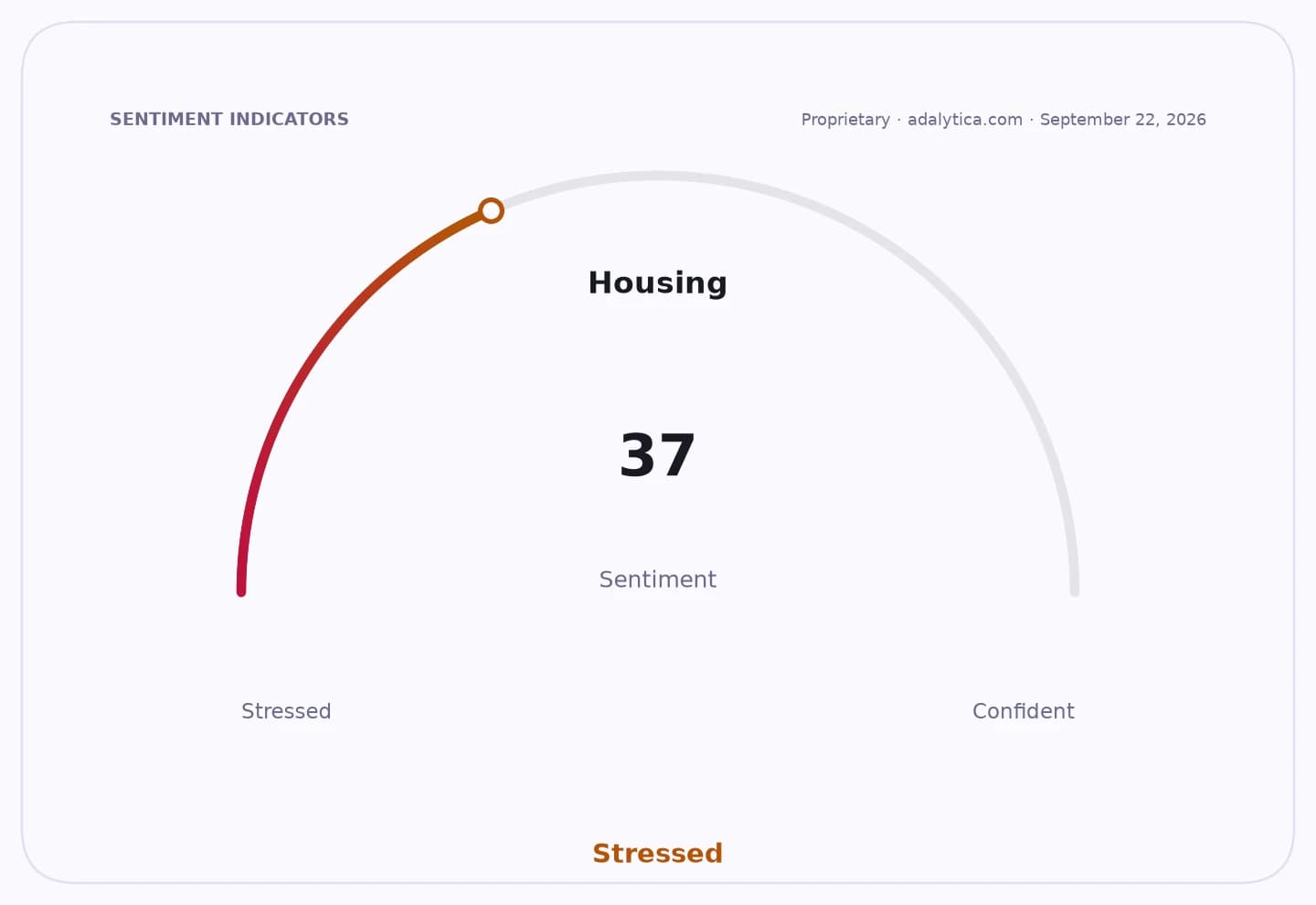
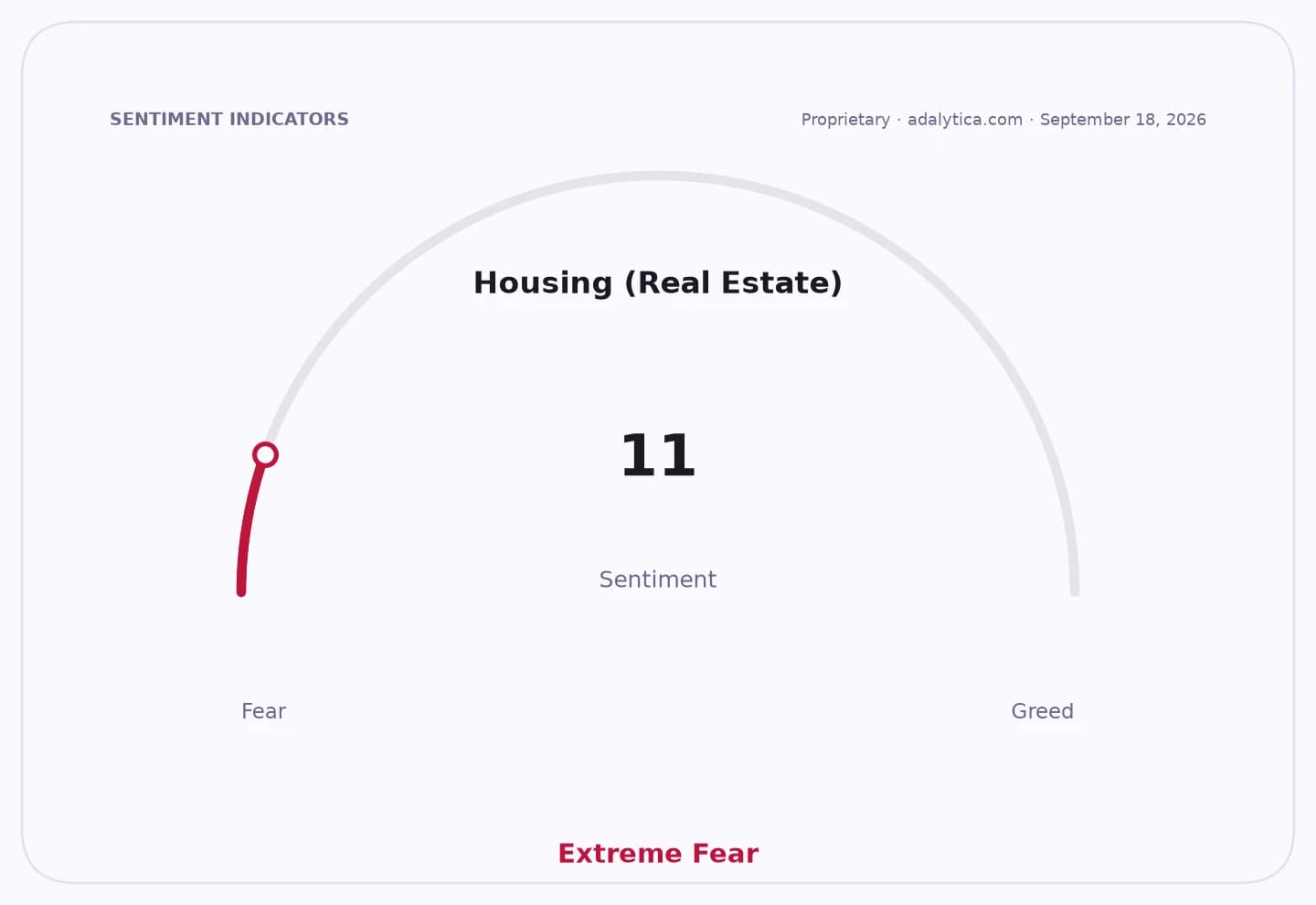
Sentiment IndicatorsⓘProprietary · adalytica.com · September 19, 2026
This is a snapshot — live sentiment, awareness and momentum for 130+ markets update continuously in the dashboard.Open AlphaPulse
The policy question is no longer academic. Jeff Lazerson’s argument is that federal policymakers have tools to pull some pressure out of the market, from allowing Fannie Mae and Freddie Mac to support mortgage-backed securities again to trimming loan-level pricing adjustments, easing refinance rules and expanding appraisal waivers. Taken together, those measures would not cure the structural shortage of homes, but they could reduce the transaction costs and monthly payments that are keeping buyers sidelined.
That matters because housing has become one of the most rate-sensitive parts of the economy. The combination of higher Treasury yields, still-sticky inflation and renewed energy-price pressures is filtering directly into mortgage pricing. The 10-year Treasury note was trading near 5%, while the spread between the 10-year and 2-year yield remained only slightly positive, suggesting markets still expect policy to stay restrictive even as growth slows. In that environment, mortgage rates near 7% are not just a housing issue; they are a brake on household mobility, retail spending tied to move-up buying and the wider real-estate ecosystem.
DGS10 vs T10Y2Y — macro contextadalytica.com
Explore this data interactively — full history, time series and cross-market comparisons.Open AlphaPulse
The corporate read-through is immediate. Homebuilders such as Lennar, D.R. Horton and Toll Brothers have already been leaning on incentives, including mortgage-rate buydowns, to keep sales moving. That support is costly. D.R. Horton said lower sales margins partly reflected interest-rate buydowns, while Lennar has flagged stubbornly elevated mortgage rates as a drag on affordability and deliveries. The stocks have also reflected the pressure: Toll Brothers and Lennar have both fallen sharply from recent levels, with technical indicators showing recent weakness below their 50-day moving averages and subdued momentum.
For investors, the implication is twofold. If rates push through 7% and stay there, transaction volumes, refinancing activity and housing-related fees could weaken further, hurting lenders, brokerages and settlement-service providers. But if Washington does move to ease fee structures, streamline refinancing or widen appraisal waivers, the benefit would likely fall first to buyers and originators of conforming loans, then to homebuilders trying to protect order flow.
The bull case is that policymakers could make housing materially more affordable at the margin without reopening the inflation problem. The bear case is that any meaningful relief may be too narrow, too slow or politically difficult, especially if inflation and energy costs keep bond yields high. For now, the market is already doing part of the job: rates are high enough that buyers are pausing, and that alone may eventually force the policy debate to turn from restraint to relief.
| Entity | Gains | Losses |
|---|---|---|
| Homebuyers | ▲Lower payments from policy relief | ▼7% mortgage rates |
| Homebuilders | ▲Demand if financing costs ease | ▼Slower sales and more incentives |
| Fannie Mae/Freddie Mac | ▲More market role if rules loosen | ▼Less pricing flexibility under reform |
| Lenders/settlement firms | ▲Streamlined refinance and lower frictions | ▼Lower volumes if affordability stays weak |