Commercial office sales in Moscow fell almost a third in the first nine months of the year as expensive credit and softer business activity pushed buyers to the sidelines, a sign that Russia’s capital market for offices is losing momentum even as deal counts held up.
Moscow Office Sales Fall as Deals Rise
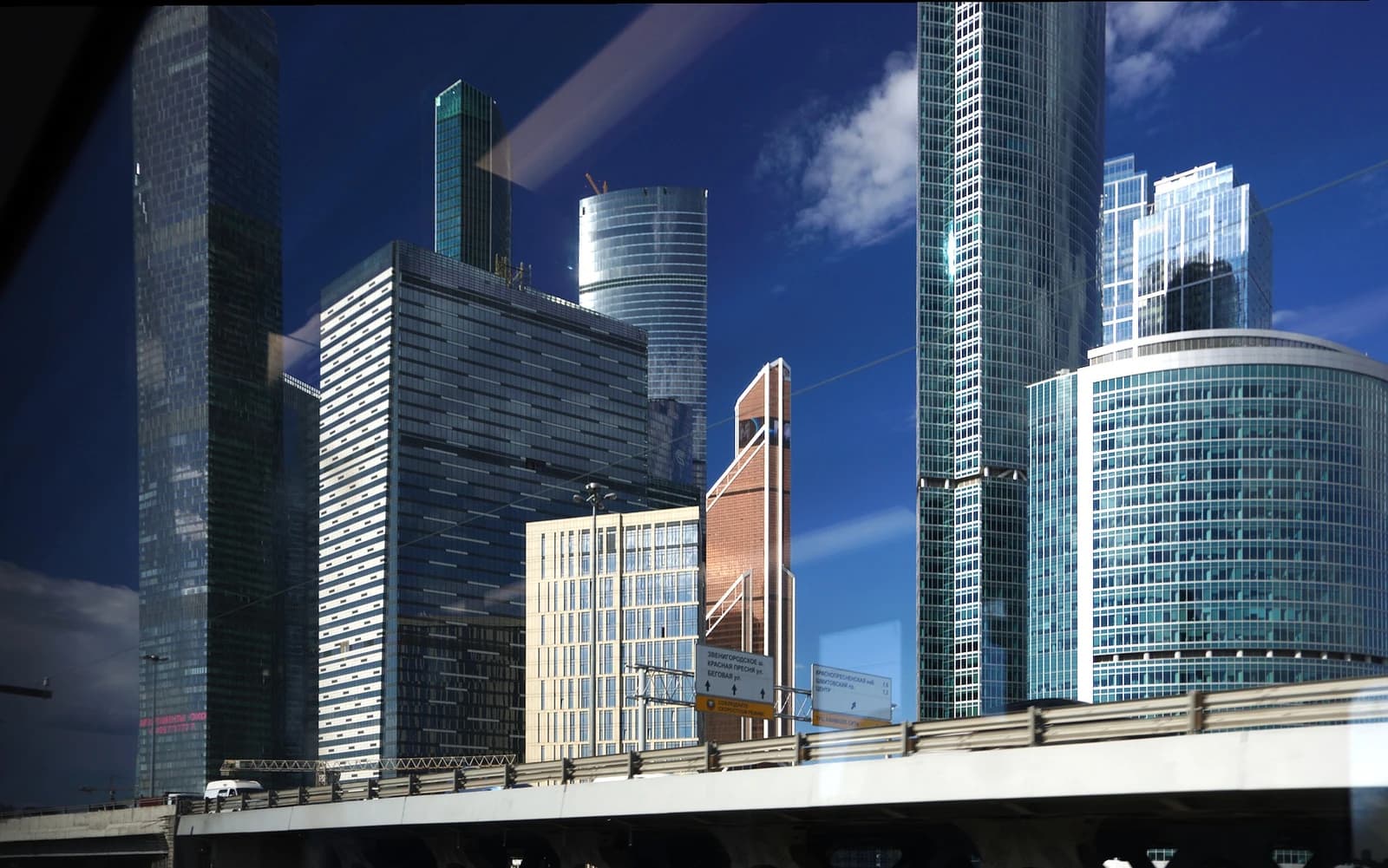
About 213,000 square meters of office space changed hands in Moscow from January through September, down 29% from a year earlier, according to consultancy IPG.Estate. Other advisers saw the same pattern: Commonwealth Partnership said total office sales dropped 21% to 250,485 square meters, while Bright Rich | Corfac International estimated purchases at 478,800 square meters, down 50.5% year on year, even as the number of transactions rose 30% to 689.
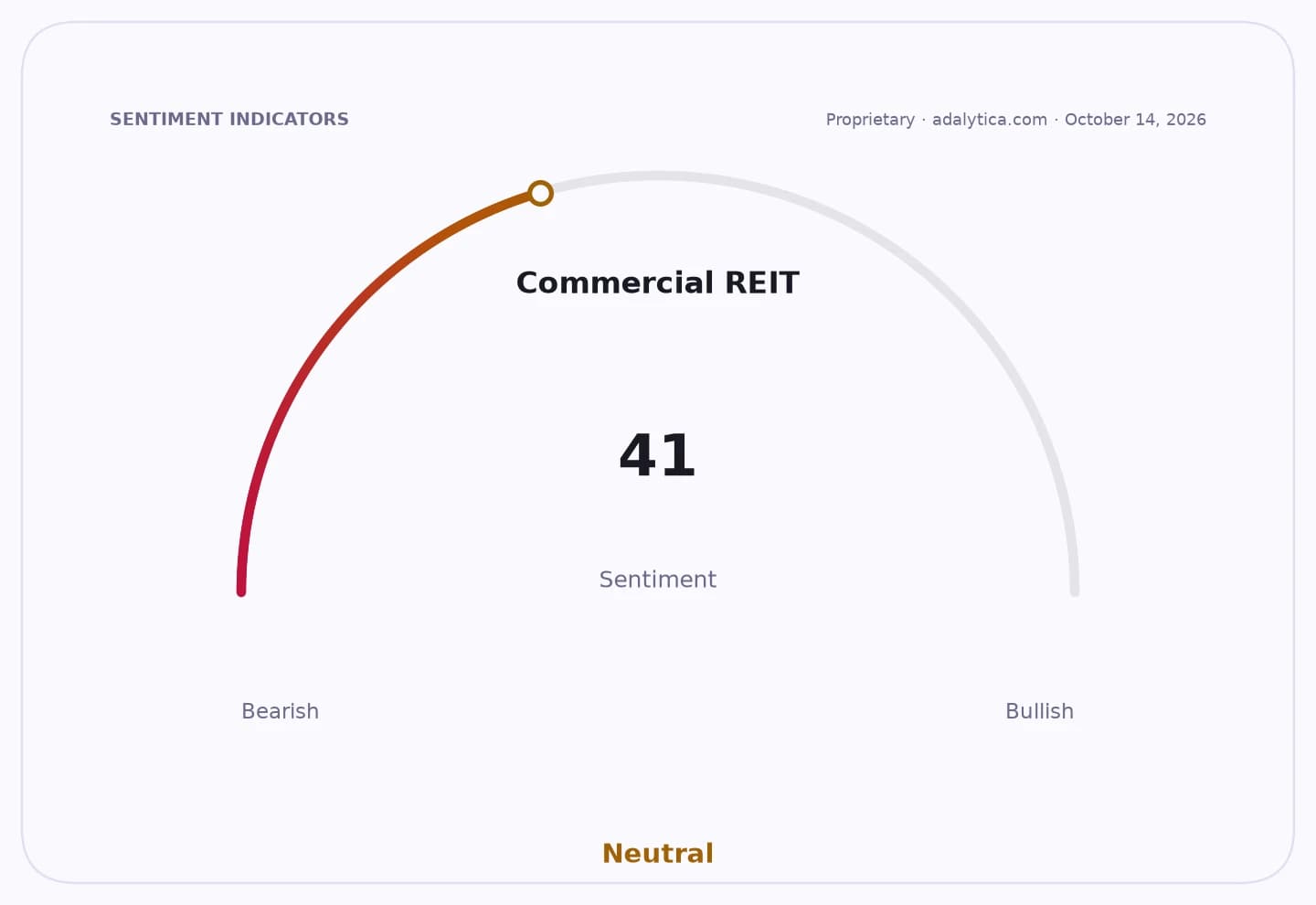
Sentiment IndicatorsⓘProprietary · adalytica.com · October 14, 2026
This is a snapshot — live sentiment, awareness and momentum for 130+ markets update continuously in the dashboard.Open AlphaPulse
The split between lower volume and higher deal counts suggests the market is not freezing outright, but fragmenting into smaller, more cautious transactions. That matters economically because office purchases are typically a proxy for corporate confidence, expansion plans and investment appetite. When companies delay buying space, it often reflects tighter financing conditions and weaker expectations for near-term growth.
Consultants said the slowdown reflects a deceleration in business activity in Moscow. Buyers are not abandoning offices altogether, according to Dar’ya Petrova of developer Granel, but are waiting for better conditions. That is consistent with a market in which borrowing remains costly and investment activity is only moderate, forcing companies and private investors to take longer to decide on large acquisitions.
For investors, the implications extend beyond Moscow. A weaker office sales market can weigh on developers, landlords and brokerage firms tied to transactional activity, while reinforcing pressure on prices and liquidity in commercial real estate. It may also curb appetite for new office projects if end-user demand stays subdued.
There is still a case for stability. The rise in transaction count shows there is demand at the right price, and some buyers may be postponing rather than cancelling purchases. But unless financing costs ease or corporate activity rebounds, Moscow’s office market looks likely to remain a buyer’s market, with volume recovering more slowly than the number of deals.
| Entity | Gains | Losses |
|---|---|---|
| Buyers / investors | ▲More negotiating power | ▼Fewer discounted deals |
| Sellers / developers | ▲Faster execution on smaller lots | ▼Lower transaction volumes |
| Brokers / advisers | ▲More deal count | ▼Smaller fee pool per sale |
| Office market demand | ▲Selective transactions | ▼Broad price support |