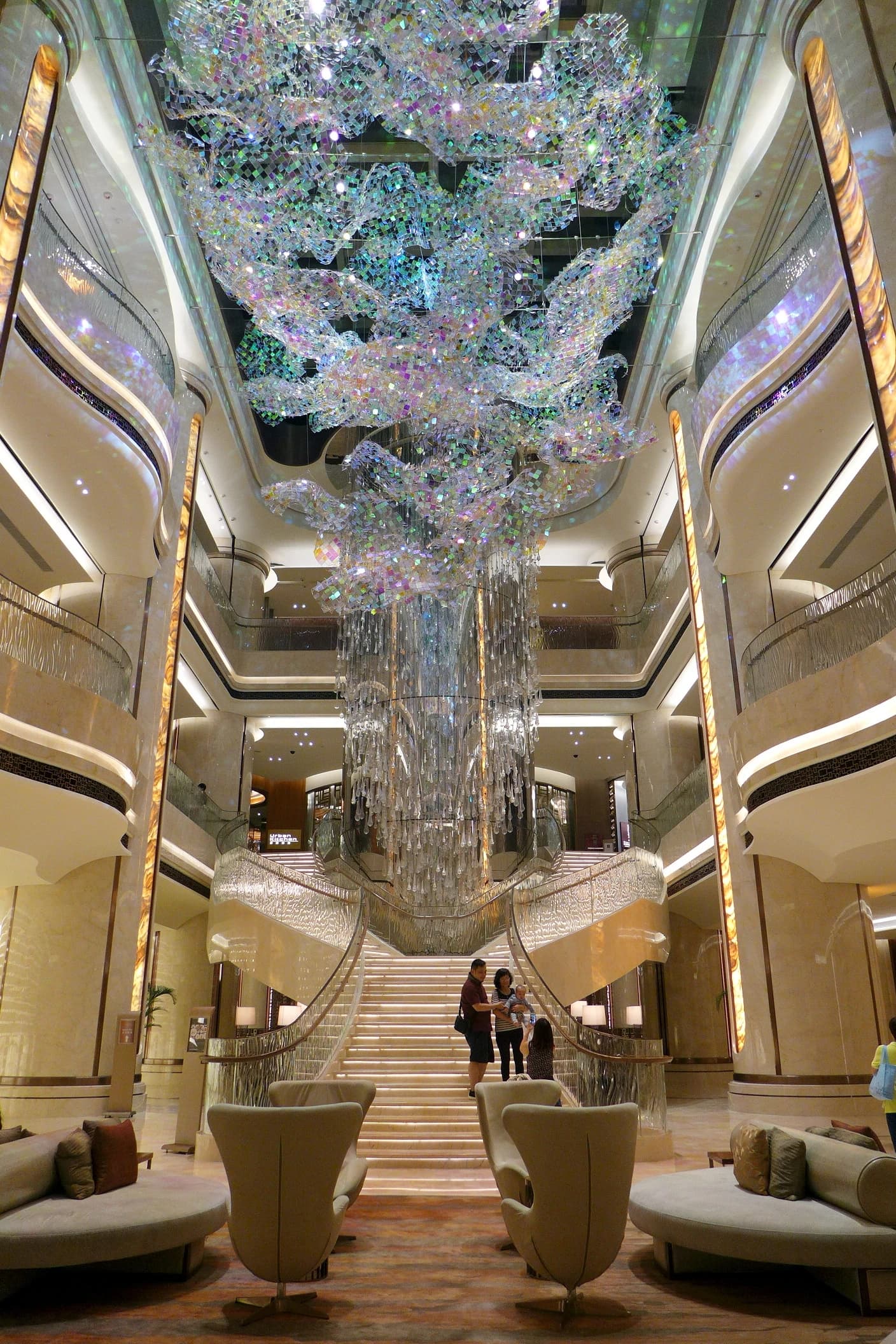
Mövenpick Hotel Bahrain’s platinum certification from Green Globe is a branding win, but more importantly it shows how environmental credentials are becoming part of the economic competition among Gulf hotels as operators seek to defend rates, attract corporate travel and meet rising expectations from owners and guests.
Mövenpick Bahrain Gets Green Globe Platinum
The property said it was the first hotel in Bahrain to receive Green Globe certification and is now renewing that recognition with the platinum level, underscoring that sustainability has shifted from a marketing slogan to an operational standard. In a market where room demand is increasingly measured against efficiency, reputation and community impact, the ability to show audited progress on water use, energy consumption and single-use plastics can help justify premium positioning.
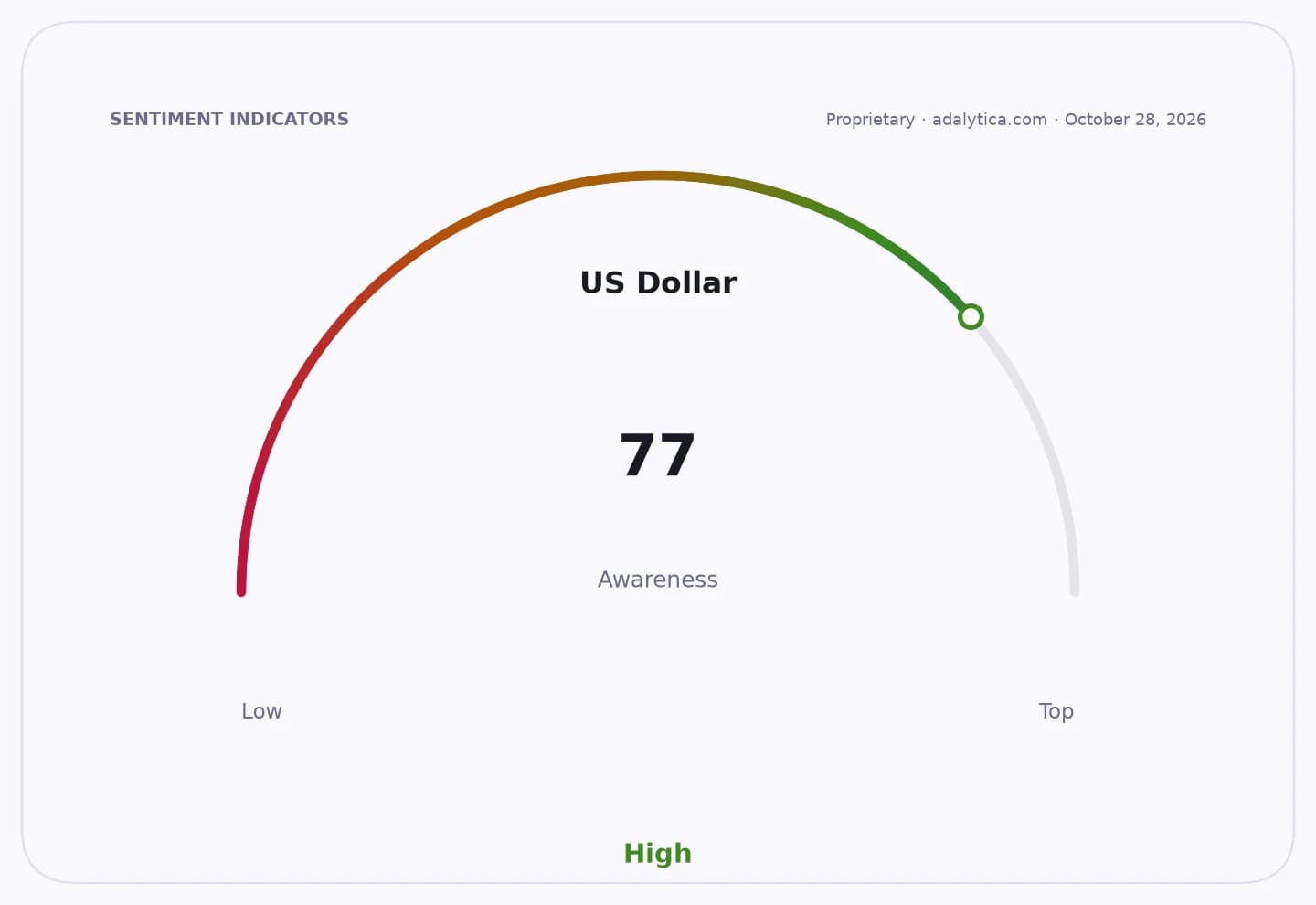
Sentiment Indicators
For investors in listed hotel groups such as Marriott, Hilton and InterContinental Hotels Group, the significance is less about this single asset than about the direction of travel across the sector. Hotels are under pressure to deliver growth without letting costs outrun pricing power, and sustainability programs can serve both goals when they reduce utility bills and waste while improving appeal to multinational clients that screen suppliers on ESG criteria. The competitive edge is subtle but real: in a high-supply environment, reputational quality can support occupancy and rate resilience.
The Bahrain hotel also ties sustainability to guest experience and local engagement rather than treating it as a compliance exercise. It cited beach cleanups, a vegetable garden and the “Kilo of Good” campaign, which links staff and community support. That matters economically because leisure and business travelers increasingly value visible responsibility, while local partnerships can strengthen a hotel’s standing with regulators and destination marketers.
The bull case is that these measures improve brand equity, reduce operating friction and align the hotel with corporate procurement standards. The bear case is that certification alone does not guarantee stronger revenue if regional competition intensifies or if green initiatives fail to translate into measurable operating gains. For hotel owners and operators, the next test is whether sustainability credentials help preserve pricing power and strengthen loyalty in a sector where differentiation is becoming harder to sustain.
| Entity | Gains | Losses |
|---|---|---|
| Mövenpick Bahrain | ▲Brand equity and guest appeal | ▼Higher scrutiny on execution |
| Green Globe | ▲Added credibility and visibility | ▼Certification diluted if poorly adopted |
| Bahrain tourism sector | ▲Stronger ESG profile | ▼Operators without green credentials |
| Competing hotel chains | ▲Benchmark pressure to invest | ▼Relative positioning if they lag |