Tauck’s new Roam brand is a smart bet on one of travel’s most durable shifts: affluent Gen X travelers want shorter, more flexible small-group trips, and they are willing to pay for convenience.
Tauck launches Roam for shorter premium trips
That matters because the next leg of growth in leisure travel is less about mass-market volume and more about premium experiences that fit tighter schedules. Roam is designed for busy, active travelers who want the social and logistical benefits of escorted tours without committing to long, rigid itineraries. In other words, it aims at the highest-value part of the market: consumers with disposable income, less time, and a growing appetite for curated travel.
The broader backdrop is supportive. Small-group and solo travel are gaining traction into 2027 as travelers prioritize flexibility, adventure and authenticity over cookie-cutter package tours. That is a favorable mix for operators that can package destinations efficiently while charging a premium for planning, coordination and access. The secular winners are not just tour brands, but airlines, hotels, destination managers and booking platforms that capture higher-yield customers.
Investors should pay attention because this is exactly the kind of product innovation that can expand margins in travel without requiring a massive shift in fixed costs. If the concept scales, it could validate a larger opportunity across premium leisure, where consumers are trading down on time commitment but up on service. The market often underestimates how quickly these niche preferences become mainstream once an operator finds the right format.
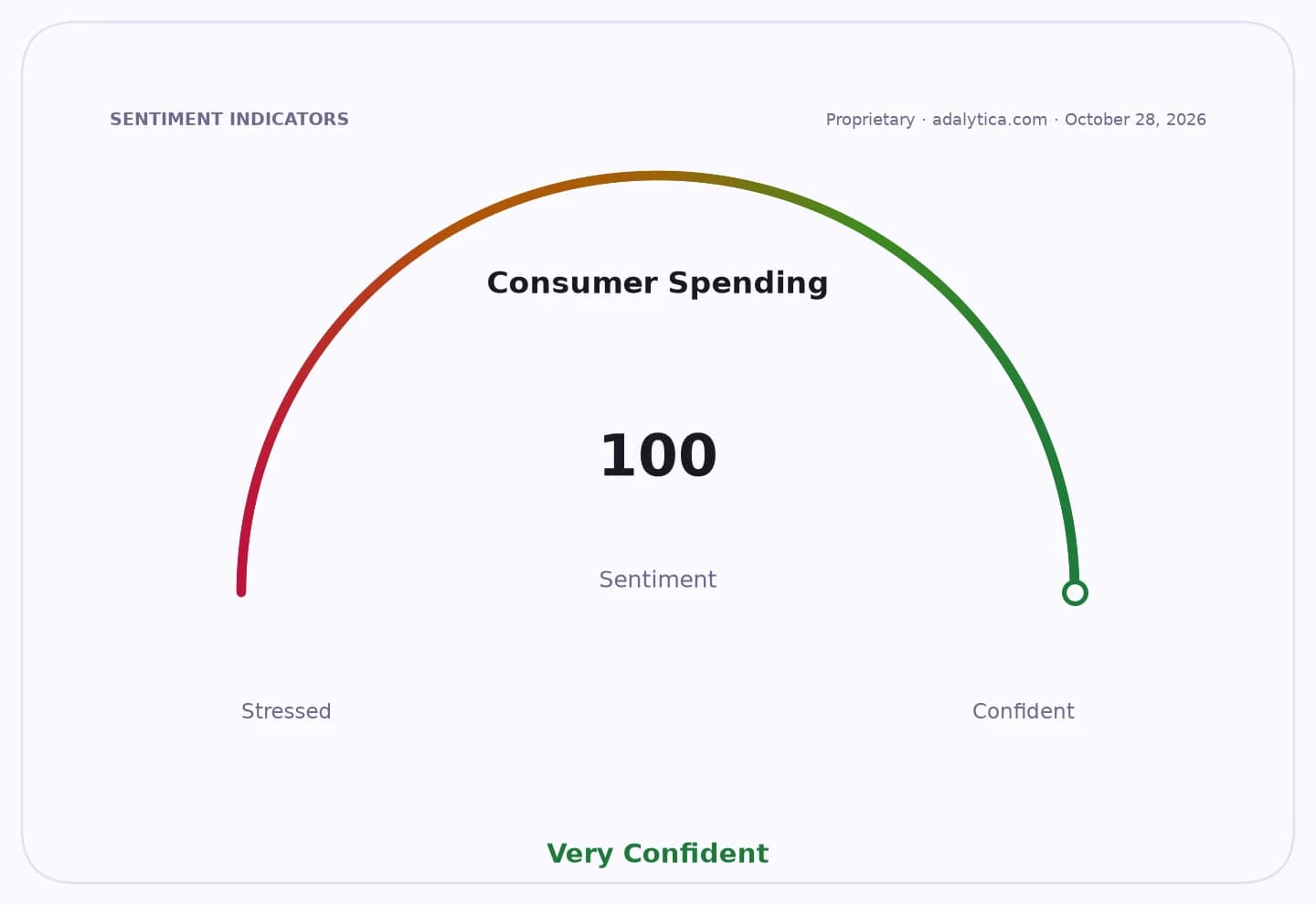
For travel companies, the investment case is increasingly about segmentation. Brands that can win Gen X and older millennials with shorter trips, more free time and small-group access can defend pricing even if the broader consumer backdrop cools. That is especially important now, when consumer sentiment remains strong but travelers are still selective about where they spend.
The takeaway: Roam is more than a new tour brand — it is a signal that premium travel is being redefined around flexibility, and the companies that build around that demand may have the strongest runway ahead.
| Entity | Gains | Losses |
|---|---|---|
| Tauck / Roam | ▲New premium demand | ▼Mass-market tour operators |
| Gen X travelers | ▲Flexible, curated trips | ▼Rigid long-form itineraries |
| Hotels, airlines, destinations | ▲Higher-yield bookings | ▼Discount-dependent traffic |
| Booking platforms / travel sellers | ▲Premium transaction volume | ▼Commodity travel products |