Myanmar is moving to build a refinery to process Russian crude, a step that would tie the junta-run economy more closely to one of Moscow’s remaining energy partners and potentially reshape fuel flows into Southeast Asia.
Myanmar plans refinery for Russian crude
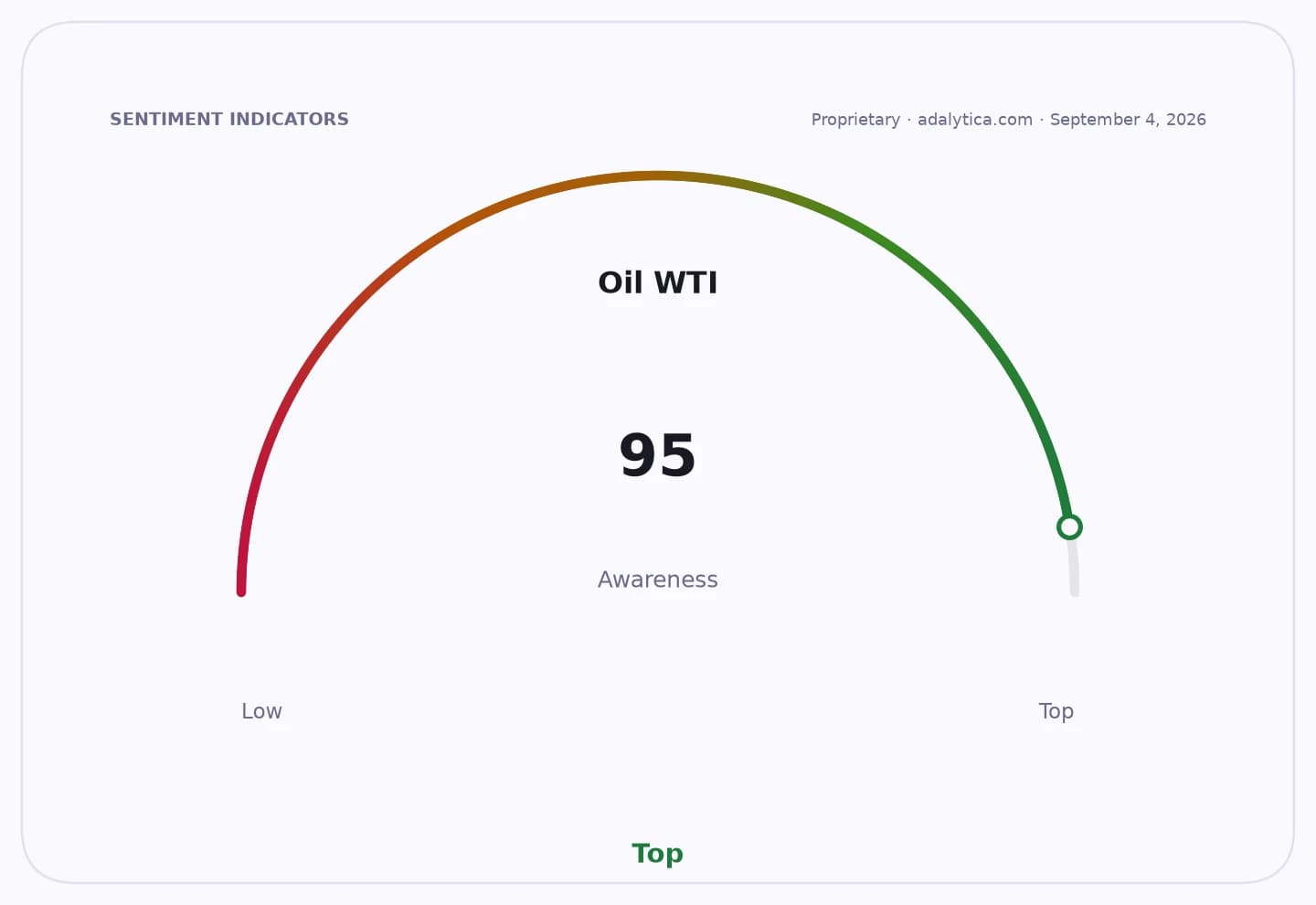
The project matters because it is more than an industrial deal: it is a sanction-era workaround that could give Russia a new outlet for crude while helping Myanmar ease chronic fuel shortages, reduce import dependence and anchor a broader energy relationship that also includes power generation. Myanmar’s energy minister said the refinery would import Russian crude and build the processing capacity needed to run it, alongside a planned power plant in the same area.
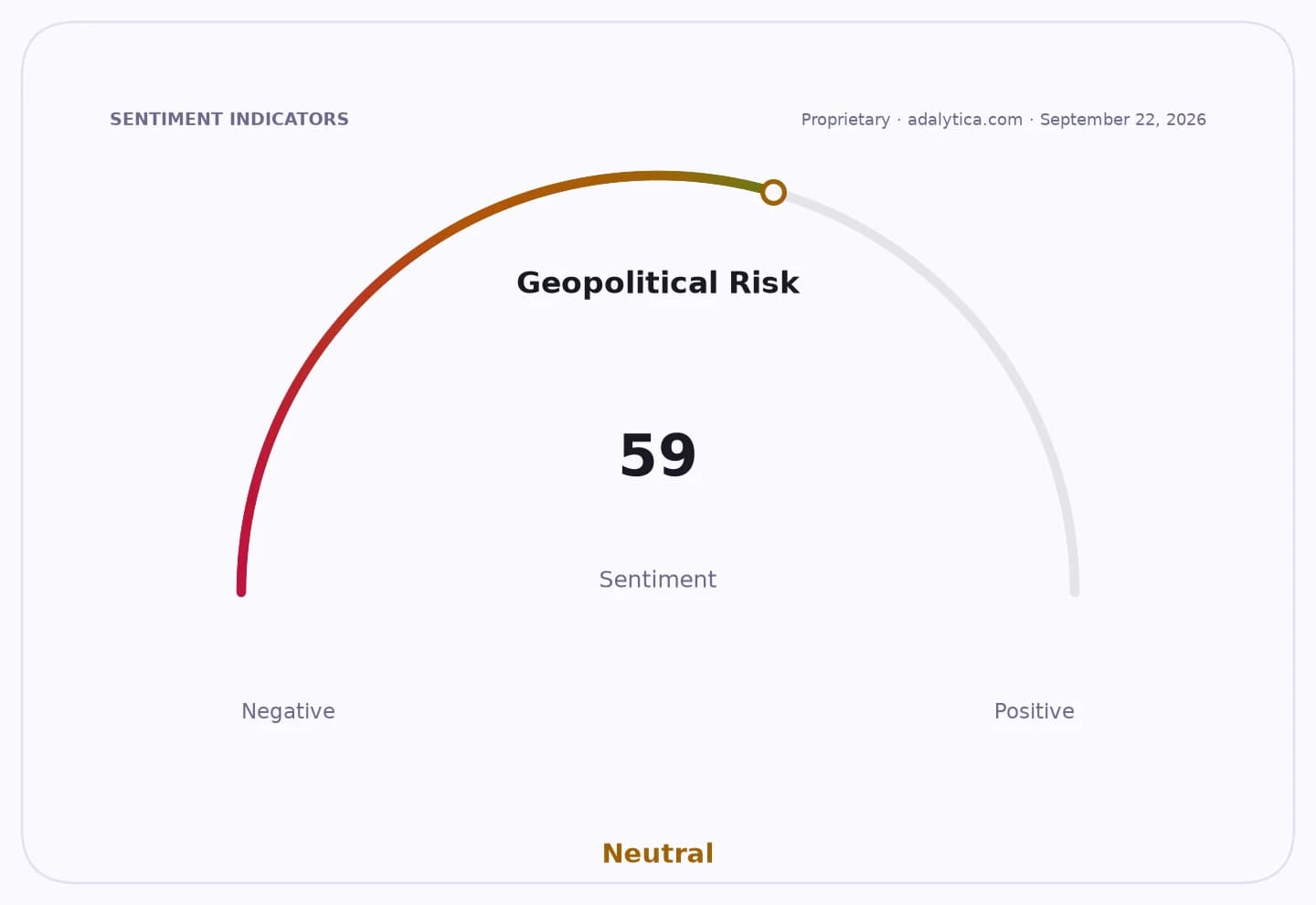
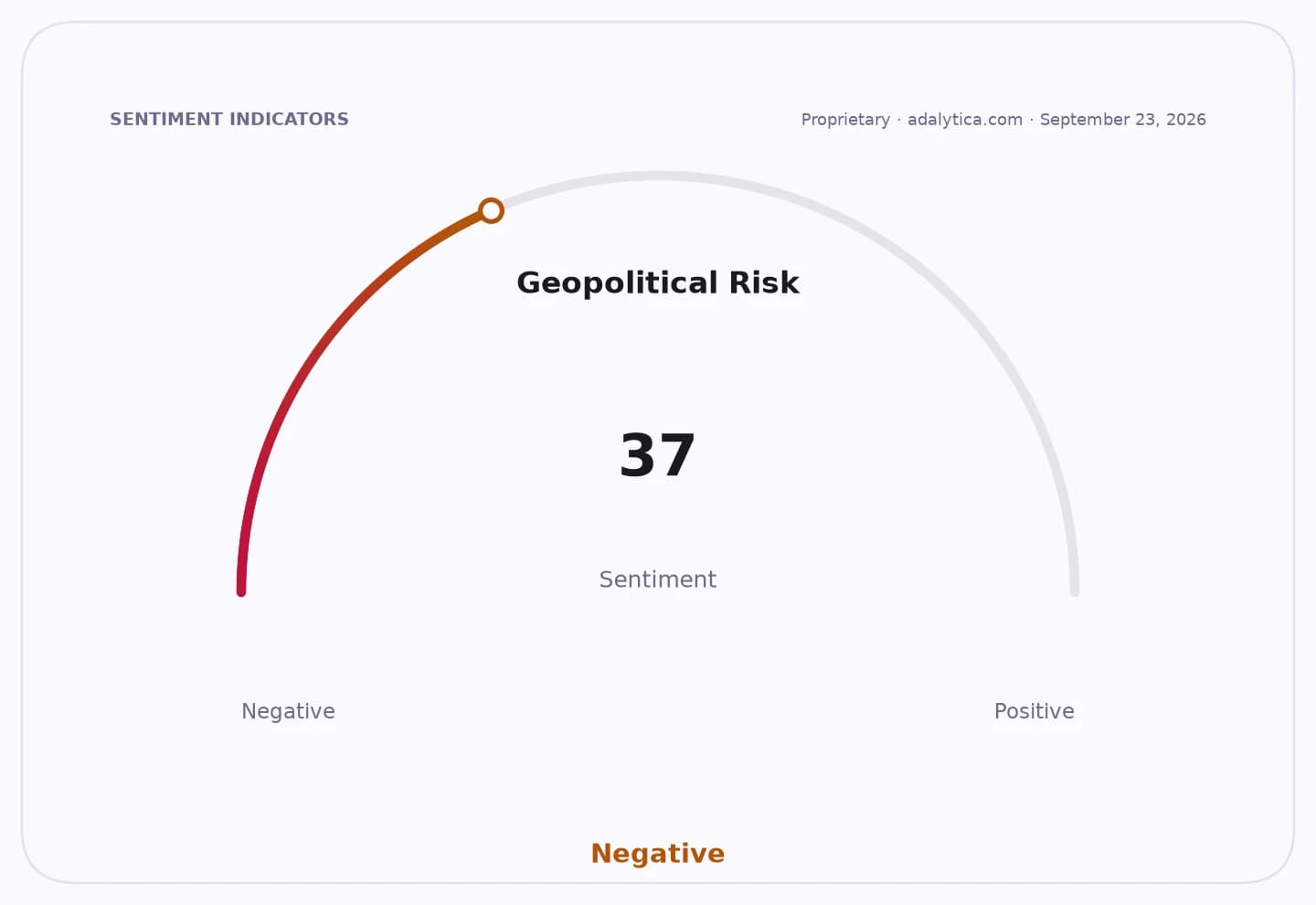
Sentiment IndicatorsⓘProprietary · adalytica.com · September 4, 2026
This is a snapshot — live sentiment, awareness and momentum for 130+ markets update continuously in the dashboard.Open AlphaPulse
For Moscow, the attraction is clear. Russia has been forced to redirect oil exports and seek buyers beyond the West since the invasion of Ukraine, while its refining system has also been hit by Ukrainian drone strikes, including at major facilities such as Yaroslavl. Those disruptions have tightened product supply and supported volatile crude and fuel markets. A new refining route in Myanmar would not replace lost European demand, but it would reinforce Russia’s ability to place barrels and extend its energy reach in Asia.
For Myanmar, the economics are just as important. The country imports much of the fuel it consumes and remains vulnerable to foreign-exchange pressure, logistics bottlenecks and price spikes. A refinery could, in theory, improve energy security and give the government more control over domestic supply. But the project would also require large capital spending, technology, stable feedstock delivery and protection from sanctions risk — all major hurdles in a country already weighed down by conflict and weak investor confidence.
Investors are likely to see the announcement through a geopolitical lens first and a commercial one second. Oil traders will focus on whether the plan is a meaningful new demand channel for Russian crude, while sanctions monitors will watch for any attempt to build a sanctioned-energy corridor through Myanmar. In market terms, the broader implication is that Russia continues to find alternative destinations for hydrocarbons even as its domestic refining system is under pressure and global energy flows stay fragmented.
The bigger narrative is the steady emergence of parallel energy networks outside the Western system. If Myanmar advances the refinery, it would underline how Russia is exporting crude not just to earn cash, but to entrench political and commercial alliances. The key question now is whether the project remains a diplomatic announcement or becomes a financeable infrastructure deal in a country where many such plans have stalled.
| Entity | Gains | Losses |
|---|---|---|
| Myanmar | ▲More fuel security | ▼Higher sanctions risk |
| Russia | ▲New crude outlet | ▼Less leverage on pricing |
| Regional refiners | ▲Potential supply competition | ▼Margin pressure |
| Western sanctions regime | ▲Limited effectiveness | ▼Evasion channel expanded |