China Merchants-controlled Nanjing Tanker is moving to refresh its Yangtze River fleet with up to RMB191.72 million ($28.7 million) of new crude barges, a modest but strategically important investment that underscores how China’s inland oil transport market is being shaped by refinery demand, logistics efficiency and fleet modernization.
Nanjing Tanker Plans 10 New Yangtze Barges
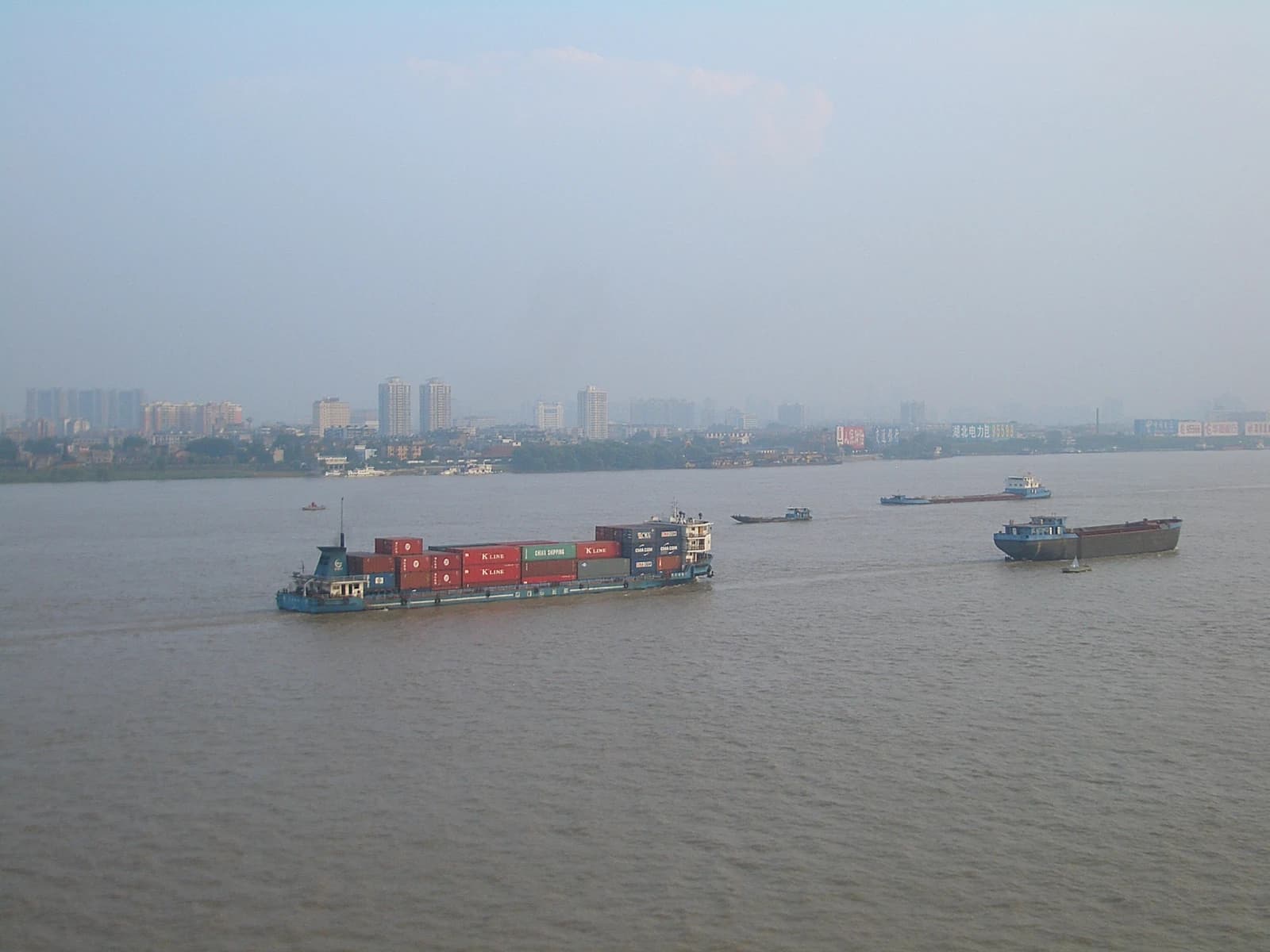
The Shanghai-listed company plans to buy ten 4,000 deadweight-ton barges through its wholly owned Nanjing Yangtze River Oil Transport Logistics unit, with Hunan Jinhang Shipbuilding selected to build them. The vessels will be fitted with cargo oil pumps for self-unloading, a feature that should help speed turnaround times and better serve petrochemical and refinery customers along one of China’s busiest industrial waterways.
For Nanjing Tanker, the project is less about headline growth than protecting market share in a segment where operating reliability and vessel capability matter. Self-unloading barges can reduce port congestion and handling costs, which is particularly relevant on the Yangtze, where refineries and terminals often prefer quicker, more flexible deliveries. That gives the company a potential edge in a market where small efficiency gains can translate into higher utilization and steadier contract flow.
The timing also suggests the company is leaning into a broader upgrade cycle. The barges are scheduled to be built in batches through 2027, and the project has already won unanimous board approval, though it still needs shareholder consent. Nanjing Tanker, which operates more than 70 vessels across domestic coastal, river and international oil transport, is also separately expanding its LR2 tanker fleet at Dalian Shipbuilding, a sign it is trying to modernize both inland and ocean-going assets rather than rely on one trade lane.
Investors have tended to reward shipping companies when capital spending is tied to clearer earnings visibility and fleet renewal rather than speculative expansion. Nanjing Tanker’s shares, listed in Shanghai, have shown heightened volatility in recent months, and the stock’s recent technical backdrop has weakened after a sharp drop earlier in the year, with its price still below the 200-day moving average. That means the market is likely to judge the barge plan on execution, financing discipline and whether the new vessels improve earnings quality enough to justify the outlay.
The broader significance lies in China’s industrial logistics chain. Even as the country’s shipbuilding sector remains a global heavyweight, inland transport capacity still matters for moving refined products and crude efficiently between ports, terminals and inland consumers. A better-equipped Yangtze fleet can support more dependable supply to refineries, while also reducing operating friction at a time when transport efficiency and asset turnover are becoming more valuable than simple fleet size.
For shareholders, the key question is whether the investment can lift returns without overextending the balance sheet. For competitors, it raises the bar on service and turnaround times in a market where customer relationships are often built on reliability. If the project is approved, the next catalyst will be whether Nanjing Tanker can show that modernization along the Yangtze translates into better utilization, lower handling costs and steadier margins through 2027.
| Entity | Gains | Losses |
|---|---|---|
| Nanjing Tanker | ▲fleet efficiency | ▼upfront capital outlay |
| Refineries on Yangtze | ▲faster deliveries | ▼fewer bargaining frictions |
| Hunan Jinhang Shipbuilding | ▲new orders | ▼rivals facing tighter competition |
| Competitor barging operators | ▲less advantage | ▼pressure to modernize |